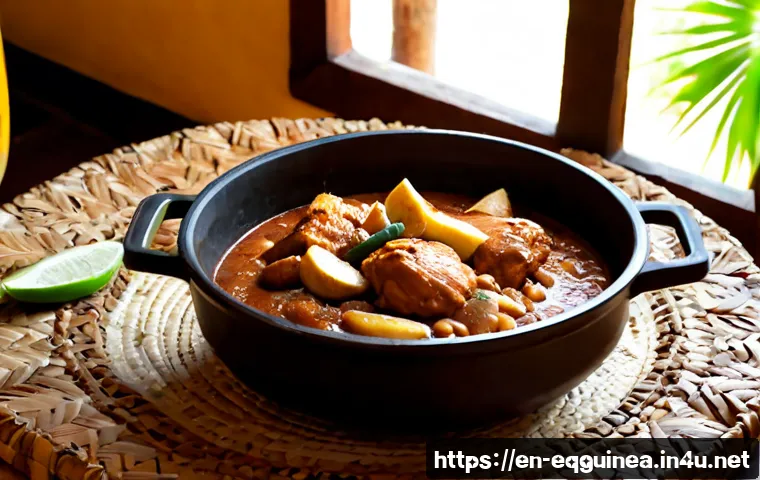
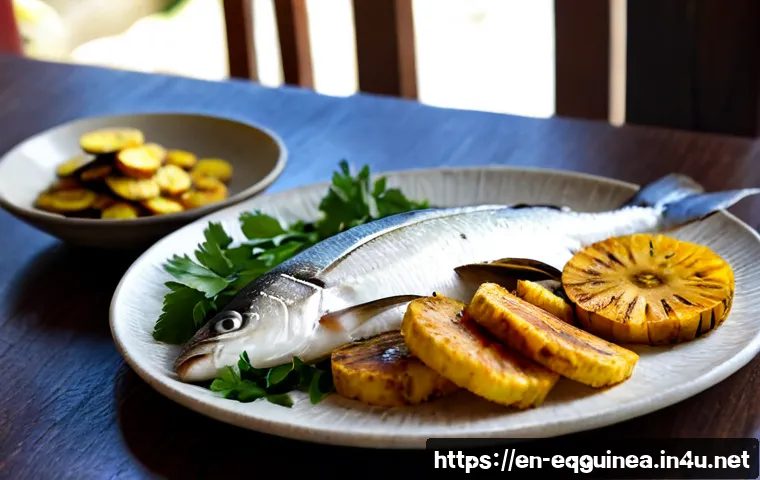
Equatorial Guinean-inspired home cooking can begin with a simple combination of a cooked staple, a gentle peanut sauce, leafy greens, and fish, chicken, or vegetables.
For most first-time cooks, frozen cassava or ripe plantains paired with a peanut-based chicken or vegetable dish is the most practical starting point.
Look for cassava, plantains, smoked fish, and ground peanut products at a well-stocked African grocery store when possible, but sensible supermarket substitutions can still create a satisfying meal.
The goal is not to claim one definitive national recipe, because dishes vary across Río Muni, Bioko, and individual households. Instead, plan around Central African ingredients and cooking methods that suit your kitchen, budget, and heat tolerance.
Check product labels, storage guidance, and ingredient condition before buying unfamiliar imported staples.
At a Glance
- Core ingredients: cassava, plantains, fish, peanuts, leafy greens, and chili peppers are widely used in Central African cooking traditions.
- Useful substitutions: frozen cassava, canned fish, unsweetened peanut butter, and available greens can make planning easier outside Equatorial Guinea.
- Best first dish: serve a cooked staple with a mild peanut sauce and chicken, fish, or vegetables.
| Shopping decision | Best choice when | What to check |
|---|---|---|
| Cassava form | Choose frozen cassava for a more convenient home-cooking option; choose fresh root only when you are ready to prepare it carefully. | Cooking instructions, product condition, and storage guidance. |
| Plantain ripeness | Choose firmer plantains for a less sweet staple; choose softer, darker-skinned plantains when you want a sweeter result. | Skin color, firmness, and whether the dish needs a savory or sweeter balance. |
| Peanut product | Ground peanuts offer a more direct option; unsweetened peanut butter is a practical pantry substitute. | Label ingredients; avoid assuming every peanut spread has the same flavor profile. |
| Where to shop | An African grocery store may be worthwhile for specialty staples; a general supermarket may cover flexible substitutions. | Availability, storage condition, package details, and whether you will use the ingredient again. |
What Defines Equatorial Guinean Home Cooking?
Equatorial Guinea includes the mainland region of Río Muni and islands including Bioko, so home cooking is not limited to one fixed menu. A useful approach is to focus on recurring Central African ingredients rather than searching for a single “official” recipe. Cassava, plantains, fish, peanuts, leafy greens, and chili peppers provide a practical starting framework.
Core Flavors: Cassava, Plantains, Peanuts, Greens, Fish, and Chili
A balanced plate can start with a filling staple, then add a savory sauce or protein and a green vegetable component. Peanuts are often ground or blended into savory sauces in several Central African cuisines. Fish is a natural choice for coastal and island-inspired cooking, while poultry, smoked fish, and plant-based staples can be especially useful for an inland-style pantry approach.
Why Regional and Household Variations Matter
It is better to describe a meal as Equatorial Guinean-inspired unless you have a verifiable regional or family source for a specific dish. Spanish colonial history has influenced language and some food habits, but traditional meals remain strongly connected to Central African ingredients and cooking methods. Chili level, fish choices, greens, and staple preparation can all differ by household.
A Quick Menu Plan for a First-Time Home Cook
Build one plate rather than attempting a large spread: choose cooked cassava or plantains, make a mild peanut sauce, and add chicken, fish, beans, mushrooms, or extra greens. This format lets you learn each ingredient without over-seasoning the meal. Keep chili separate or add it gradually so everyone can adjust heat at the table.
Build a Traditional-Style Meal With Accessible Ingredients
The easiest planning method is to select one staple, one main component, and one green vegetable. This keeps shopping focused and helps you decide whether a specialty African grocery purchase is necessary or whether a safe substitution is suitable.
Choose a Staple: Cassava, Rice, Yam, or Plantains
Cassava and plantains create the closest ingredient direction for this meal plan. If they are not available, rice or yam can serve as an accessible base. Treat substitutions as practical kitchen choices, not proof that a dish is identical to a particular regional preparation. If cassava is available frozen, its packaging and preparation directions can make it easier to plan than an unfamiliar fresh root.
Make a Peanut-Based Sauce With Fish, Chicken, or Vegetables
Use ground peanuts or an unsweetened peanut product as the sauce foundation. Add fish, chicken, or vegetables according to your pantry and dietary needs, then include greens near the end so they remain a clear part of the meal. A seafood version can reflect the ingredient access common to coastal and island communities; smoked fish can bring a deeper flavor when fresh fish is not the best option for your kitchen.
Balance Heat, Salt, Acidity, and Texture Without Over-Seasoning
Start mild. Peanut sauces already bring body and a full savory character, so add chili gradually rather than making heat the main feature. Taste as you cook and make small adjustments. A softer staple, leafy greens, and a sauce-based main create contrast without requiring a long list of seasonings.
Ingredient Comparison: Fresh, Frozen, Dried, and Imported Options
Outside Equatorial Guinea, availability and imported-product quality can vary substantially by retailer and country. Compare form, storage, and intended use before choosing the lowest-price package or the most unfamiliar product.
Cassava Root Versus Frozen Cassava Pieces
Fresh cassava root may appeal to cooks who want to work with the ingredient in its whole form. Frozen cassava pieces can be a more convenient option for a planned weeknight meal because they are portion-friendly and commonly sold with package instructions. In either form, cassava must be cooked properly and never served undercooked. If you are unsure about a product, choose the option with clear preparation information or ask the specialty retailer how it is normally prepared.
Fresh Fish, Smoked Fish, and Canned Fish: Flavor and Budget Trade-Offs
Fresh fish suits a seafood-focused menu when its quality and storage condition are reliable. Smoked fish can be useful when you want a more concentrated flavor or are planning around pantry-friendly ingredients. Canned fish offers a practical fallback for limited-ingredient kitchens, although its final texture and flavor will differ from fresh or smoked fish. Choose based on freshness, storage needs, and how much seafood flavor you want in the sauce.
Peanut Butter Versus Ground Peanuts: What to Check on the Label
Ground peanuts are a direct choice for a savory peanut sauce. Unsweetened peanut butter can work when ground peanuts are difficult to find, but review the label before using it. A simple ingredient list is usually easier to fit into a savory dish than a sweetened or heavily flavored spread. Stir gradually into the cooking liquid instead of assuming every jar behaves the same way.
When an African Grocery Store Offers Better Value Than a General Supermarket
A specialty African grocery store is often the better place to look for plantains, cassava, smoked fish, leafy greens, and peanut ingredients sold for African cooking. It may be especially worthwhile when you plan to cook these foods more than once or want choices in fresh, frozen, dried, and imported forms. A general supermarket can still be useful for chicken, canned fish, rice, vegetables, and substitute staples. Compare package condition and storage information rather than assuming that imported always means better.
Cooking Steps and Safety Checks That Prevent Common Mistakes
Simple preparation is a strength here, but unfamiliar staples deserve attention. Read package directions, keep ingredients stored appropriately, and avoid rushing the cooking stage for cassava or seafood.
Prepare Cassava Safely and Never Serve It Undercooked

Use the preparation guidance provided with the product you bought. Cook cassava thoroughly, and do not serve it undercooked. Frozen cassava is often easier for a first attempt because it is sold in ready-to-cook pieces, but it still requires proper cooking.
Avoid Curdling or Splitting a Peanut Sauce
Add the peanut component gradually and stir steadily as the sauce comes together. If it becomes too thick for your preferred texture, adjust carefully with the cooking liquid rather than adding a large amount at once. Gentle heat and gradual mixing make it easier to keep the sauce cohesive.
Handle Seafood, Smoked Fish, and Leafy Greens Safely
Choose seafood based on its storage condition and use it according to product guidance. Keep smoked fish covered and stored as directed on the package. Wash and sort leafy greens before adding them to the meal, especially when they are sold in loose bunches rather than sealed packages.
Adjust Chili Gradually for Different Heat Tolerances
Chili peppers are an important flavor option, but the right amount is personal. Add a small amount first, then taste and adjust. Serving extra chili separately is an easy way to keep one meal comfortable for different preferences.
Choose a Recipe Path for Your Kitchen and Dietary Needs
Choose the path that matches your available ingredients first. A good meal plan is one you can prepare safely and repeat comfortably, not one that depends on hard-to-find items.
Seafood-Focused Meal for Coastal-Flavor Cooking
Pair cooked cassava or plantains with fish and a peanut-based sauce, then add greens. Fresh fish is suitable when it is available in good condition; smoked fish or canned fish can support the same meal structure when fresh seafood is not practical. Keep chili moderate until you know your preferred level.
Chicken and Peanut Sauce for an Accessible Main Dish
Chicken is a useful option for cooks who cannot easily source seafood. Serve it with a peanut sauce, greens, and your selected staple. This path works well with frozen cassava, plantains, rice, or yam and allows you to focus your specialty grocery shopping on only one or two key ingredients.
Vegetarian Version Using Beans, Mushrooms, or Extra Greens
For a vegetarian meal, build the sauce around peanuts and use beans, mushrooms, or additional greens as the main element. Plantains, cassava, rice, or yam can provide the filling base. This is a practical route when specialty fish products are unavailable or when you want a plant-based meal with the same staple-and-sauce structure.
Fast Weeknight Version Using Frozen Staples and Pantry Ingredients
Use frozen cassava or frozen plantains if available, unsweetened peanut butter or ground peanuts, canned fish or beans, and greens that are easy to find locally. This path prioritizes convenience while retaining the central flavor direction. It is also a sensible first test before buying larger quantities of imported pantry items.
Selection Criteria and Comparison Summary
Choose frozen cassava when convenience and clear preparation guidance matter most. Choose fresh cassava only when you are prepared to handle and cook it carefully. Select fresh fish for a seafood-centered meal when storage conditions are dependable; choose smoked or canned fish when pantry flexibility is more valuable. Buy ground peanuts when available, or choose an unsweetened peanut product after checking the label. An African grocery store can be worth the visit for cassava, plantains, smoked fish, and specialty peanut ingredients, while a supermarket can fill in chicken, rice, beans, and greens.
Before buying, check product condition, storage needs, cooking directions, label ingredients, and whether the item fits your chosen recipe path. For specialty groceries, review the retailer’s product details and storage information before selecting unfamiliar items.
In Closing
Equatorial Guinean-inspired cooking is most approachable when you start with a flexible plate: a staple, a peanut-based sauce, greens, and a protein or vegetable. Cassava and plantains are useful anchors, but practical substitutes can keep the meal achievable outside Central Africa. Respect regional and family variation by avoiding claims that one version represents every household. Careful shopping and proper cassava preparation matter as much as flavor.
Useful Things to Know
1. Equatorial Guinea uses the Central African CFA franc (XAF), but ingredient prices in other countries depend on local retailers and import availability.
2. Seafood may be more accessible in coastal and island communities, while poultry, smoked fish, and plant-based staples can be useful in inland-style meal planning.
3. A specialty grocery visit is most useful when you need a specific staple rather than a general substitute.
4. Use chili as an adjustable finishing element rather than assuming one heat level suits every meal.
Important Notes
This guide is a practical planning resource, not a definitive collection of national recipes. Exact dish names, spice levels, ingredient combinations, and cooking methods can differ by region, family, and community. Imported ingredient quality, availability, and cost also vary by country and retailer. Follow package instructions for frozen or imported foods, especially cassava, seafood, and smoked products.
Frequently Asked Questions
Q1. What is an easy Equatorial Guinean-inspired dish for a beginner to cook?
A1. Start with cooked frozen cassava or plantains, a mild peanut-based sauce, leafy greens, and chicken, fish, beans, or mushrooms. This simple structure uses core Central African ingredients without requiring you to claim a single definitive recipe.
Q2. Where can I buy cassava, plantains, smoked fish, and African-style peanut ingredients outside Equatorial Guinea?
A2. A well-stocked African grocery store is often the best place to look for these specialty ingredients. General supermarkets may carry substitutes such as rice, canned fish, peanut butter, chicken, beans, and greens. Check storage conditions, labels, and package details before purchasing.
Q3. Is frozen cassava a safe and practical alternative to fresh cassava root?
A3. Frozen cassava can be a practical option because it is convenient and often comes in prepared pieces with cooking directions. It still needs to be cooked properly and must never be served undercooked. Follow the instructions for the specific product you buy.