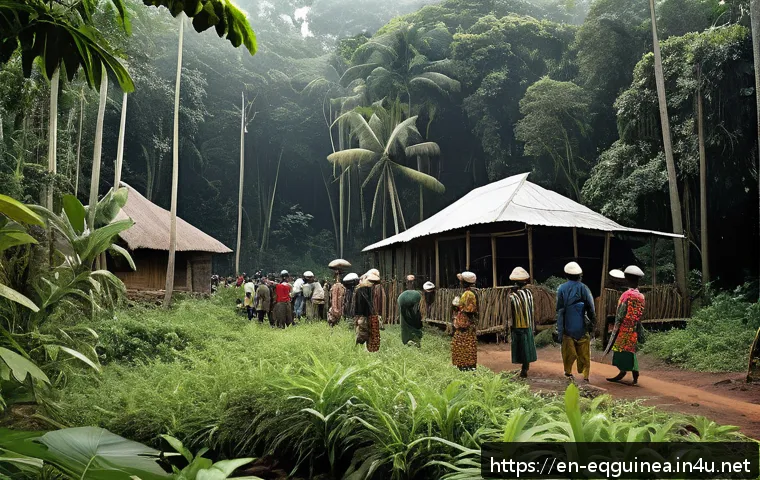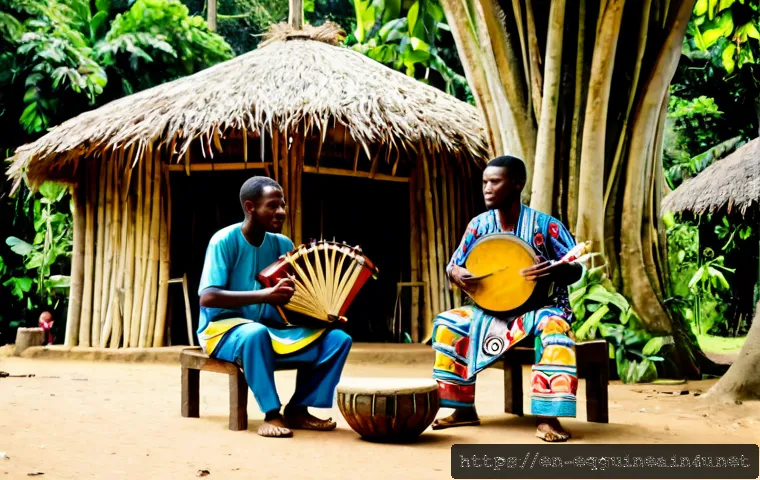
Equatorial Guinea’s music and dance traditions vary by community, place, and occasion, so there is no single “national style” that explains them all. For a respectful cultural experience, confirm directly who is performing, what visitors may do, and whether recording or participation is permitted.
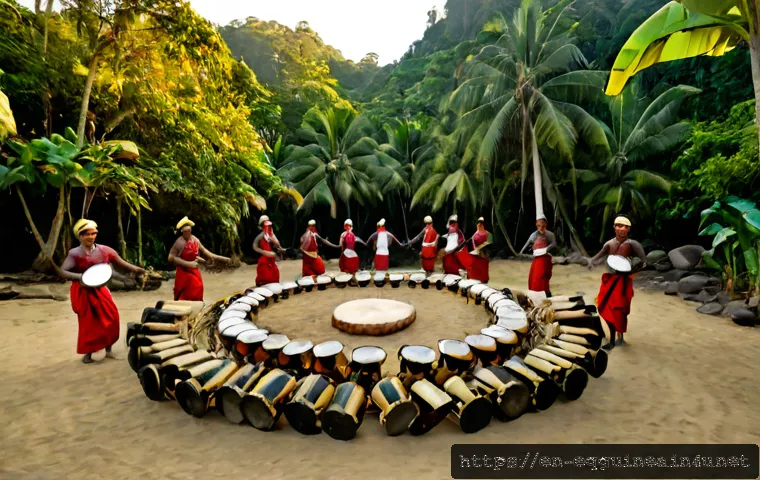
Fang mvet performance is closely associated with oral storytelling, while Bioko’s Bubi heritage reflects distinct island-based musical and dance expression.
A cultural tour, workshop, or live booking can each be useful, but they serve different learning goals. Clear questions about credits, language support, group size, transport, and pricing in XAF help travelers, teachers, and event organizers make better choices.
At a Glance
- Equatorial Guinea includes the mainland region of Río Muni and islands such as Bioko and Annobón, each with distinct cultural contexts.
- Fang mvet performance combines a harp-zither with narrative oral tradition, while Bubi heritage is central to Bioko’s cultural expression.
- Before booking a tour, workshop, or performance, confirm credits, participation rules, recording consent, and the written price in XAF.
| Experience Format | Best Use | Questions to Ask | Likely Cost Factors | Participation Expectations |
|---|---|---|---|---|
| Cultural tour | Visitors seeking broad local context and guided interpretation | Who leads it? Which community perspectives are included? Is transport included? | Guide time, transport, group size, itinerary, language support | Usually observation-focused; do not assume dance participation or filming is included |
| Music or dance workshop | Teachers, students, and listeners who want structured learning | Who teaches? What material is appropriate to learn? Are instruments provided? | Instructor time, venue, materials, interpretation, group size | May include guided participation, but only with the teacher’s approval |
| Live event performance | Public programs, private events, and cultural presentations | How are performers credited? What are the technical needs? Is recording allowed? | Number of performers, travel, venue requirements, schedule, performance length | Audience participation should be agreed in advance, not expected automatically |
What Defines Music and Dance in Equatorial Guinea?
Music and dance in Equatorial Guinea are best understood through specific communities, locations, and occasions, not through one broad label. Traditional expression may be part of gatherings, storytelling, ceremonies, or social events. That context matters when listening, teaching, attending, or arranging a cultural booking.
A country shaped by mainland and island cultural settings
Equatorial Guinea includes the mainland region of Río Muni and several islands, including Bioko and Annobón. This geography creates different cultural settings rather than a single uniform tradition. A mainland-focused cultural tour may not offer the same perspective as a Bioko-based music workshop or island performance.
Why one national label cannot describe every tradition
The Fang are one of the country’s major ethnic communities, and the Bubi are indigenous to Bioko Island. Their histories and cultural expressions should not be merged into a generic description of “Equatorial Guinean tribal music.” A responsible guide, educator, or event provider should identify the performers, community connection, and type of presentation clearly.
Three key takeaways for first-time learners
First, ask whose tradition is being presented. Second, distinguish between a public educational demonstration and material connected to a ceremony or restricted setting. Third, recognize that Spanish, French, and Portuguese are official languages, while local languages remain important to cultural expression. Language support can therefore be an important part of a cultural tour or workshop booking.
Musical Traditions, Storytelling, and Movement
Traditional music and dance may bring together instruments, voice, movement, memory, and social participation. The most useful approach is to learn what a particular performer or cultural group is prepared to explain publicly, rather than assigning meanings to unfamiliar movements or songs.
Fang mvet performance and oral narrative traditions
The mvet is commonly described as a harp-zither. It is associated with Fang oral storytelling and musical tradition, where instrumental accompaniment and narrative performance are connected. For listeners, the important point is that mvet is more than an object to photograph or a background sound for an event: it belongs to a performance tradition shaped by storytelling.
If a provider offers a mvet demonstration, ask whether the session focuses on the instrument, the oral narrative format, or both. For an educational program, it is reasonable to ask what can be translated or explained for the audience without reducing the performance to a simplified spectacle.
Bioko, Bubi heritage, and island cultural expression
The Bubi are indigenous to Bioko Island and have distinct music, song, and dance traditions. Visitors should avoid assuming that an island-based presentation represents all communities in Equatorial Guinea. A Bioko cultural experience can be valuable precisely because it is locally grounded, especially when the hosts explain what they choose to share and how they wish to be credited.
Rhythm, voice, movement, and communal participation
Music and dance can be connected to community gatherings, ceremonies, storytelling, and social events. This means participation is not automatically open to every visitor. A workshop may invite simple movement or rhythm learning, while another event may be intended mainly for observation. Ask before joining, recording, or posting—even when an atmosphere feels informal.
Comparing Cultural Experiences: Tours, Workshops, and Performances
The best cultural experience depends on your purpose. A traveler may want orientation and local context. A teacher may need a suitable educational format. An event organizer may need clear performance terms, credits, and technical planning.
What each format can realistically teach
A cultural tour can provide location-based context and conversation with a guide. A music workshop is better for active learning, especially when the instructor explains what participation is appropriate. A live performance booking may work well for an audience event, but it should not be assumed to provide the same depth as a small-group learning session.
When comparing listings, look for concrete descriptions rather than broad claims of “authentic culture.” Useful details include the names or affiliations of performers, the learning or performance format, language options, and whether the experience is community-led.
Cost factors to compare before requesting a quote
Current fees and availability need direct confirmation. Ask for a written quote in Central African CFA francs (XAF) and clarify what is included. Cost factors may include group size, guide or performer time, transport, venue needs, language interpretation, instruments or materials, and the event schedule.
For a performance booking, clarify whether travel, setup requirements, and audience recording permissions are addressed separately. For a workshop, ask whether the quote covers teaching time and any necessary materials. Comparing inclusions is more useful than comparing a headline figure alone.
Questions that signal a respectful provider
- Which performers, cultural groups, or local partners are credited in this program?
- Is the presentation designed for education, observation, or visitor participation?
- May guests take photos, record audio, or post material online?
- What language support is available for explanations and questions?
- What does the written XAF quote include, and what requires separate confirmation?
Etiquette, Documentation, and Common Mistakes to Avoid
Respectful attendance is not complicated, but it requires avoiding assumptions. The key habit is simple: confirm rather than infer. This protects performers, hosts, visitors, and event organizers from misunderstandings.

Asking permission before recording or posting
Do not treat a public setting as automatic consent to film. Ask the performer, host, guide, or organizer before taking photos, recording video, or sharing content online. A booking agreement can state whether documentation is allowed, who should be credited, and whether any material should remain private.
Avoiding assumptions about sacred or ceremonial material
Exact meanings, choreography, ceremonial roles, and the public status of a particular dance should not be guessed. A performance may be seasonal, restricted, ceremonial, or simply not suitable for visitor participation. If no clear answer is available, choose observation and respectful listening rather than pressing for access.
Giving proper credit to performers and cultural groups
For a classroom program, travel article, event listing, or social post, use the names and descriptions that performers or organizers provide. Avoid vague labels that erase community identity. If a program connects to Fang mvet performance, Bubi heritage, or another local context, credit that connection accurately and only when it has been confirmed.
Practical Tips for Travelers, Teachers, and Event Organizers
Different visitors carry different responsibilities. A small cultural visit, a school lesson, and a public event should not be planned in the same way. Match the request to the setting and give providers enough information to respond clearly.
Planning a small-group cultural visit
Tell the provider your group size, language needs, preferred level of participation, and whether anyone plans to record. Ask whether transport is part of the cultural tour arrangement or must be organized separately. A smaller group may allow more conversation, but availability and conditions should always be confirmed directly.
Using music and dance material in a classroom
Teachers can introduce students to Equatorial Guinea by emphasizing diversity: mainland and island settings, Fang storytelling traditions, and Bubi cultural expression on Bioko. Present mvet as a harp-zither associated with narrative performance, not as a stand-alone curiosity. If arranging a virtual or in-person educational program, ask the presenter what material is appropriate for students to repeat, discuss, record, or share.
Booking performers for a public program or private event
Event planners should provide the date, venue, audience type, schedule, available sound support, and desired format. Ask how performers wish to be introduced and credited. Confirm whether the booking is a performance, a demonstration with explanation, or an interactive workshop. That distinction helps prevent an audience from expecting participation that was never agreed.
Choosing a Cultural Experience: Decision Checklist and Comparison Summary
Choose a cultural tour when you need local context and guided orientation. Choose a workshop when active learning is the priority and participation has been clearly approved. Choose a live performance when your main need is an audience program with defined timing and performer requirements.
Before confirming, check these points: request a written quote in XAF; ask how performers and communities are credited; confirm group size and language support; identify transport and venue responsibilities; and agree on filming, posting, and participation rules. Prioritize a clear community connection over generic “tribal show” marketing. For official details, availability, and booking conditions, check the relevant provider page directly.
In Closing
Equatorial Guinea’s musical and dance traditions deserve attention to place, community, and purpose. Fang mvet performance and Bubi cultural expression offer useful starting points, but neither should be used to flatten the country’s diversity. A thoughtful booking begins with specific questions, clear credit, and permission-based documentation. The result is a more meaningful experience for visitors and more respectful conditions for performers.
Useful Things to Know
1. Spanish is an official language alongside French and Portuguese, while local languages remain important to cultural expression.
2. The national currency is the Central African CFA franc, abbreviated XAF.
3. Confirm current cultural-program pricing, availability, transport, and venue details directly with providers.
4. Ask whether an experience is observation-based, educational, or participatory before booking.
Important Notes
Specific names, meanings, choreography, ceremonial roles, and visitor access rules may require confirmation from the relevant performers or community. Do not assume that a dance is public, sacred, seasonal, restricted, or suitable for participation based on a short listing. Claims about authenticity, community benefit, and permissions behind a commercial cultural-tour listing should also be verified directly.
Frequently Asked Questions
Q1. What is the mvet in Equatorial Guinean culture?
A1. The mvet is commonly described as a harp-zither associated with Fang oral storytelling and musical tradition. It can accompany narrative performance, so it is best understood in relation to both music and storytelling.
Q2. Can visitors join traditional dance activities in Equatorial Guinea?
A2. It depends on the specific event, performer, and community context. Some workshops may include guided participation, while other presentations may be for observation only. Ask directly before joining, filming, or sharing recordings.
Q3. How should I compare cultural tours, workshops, and performance bookings in Equatorial Guinea?
A3. Start with your purpose: tours are useful for context, workshops for structured learning, and performances for audience events. Then request a written quote in XAF and ask about performer credit, language support, transport, group size, participation rules, and recording permission.