
Equatorial Guinea’s real estate market is gradually catching the eye of savvy investors looking for untapped potential in Africa. With its growing economy and expanding urban centers, the country offers unique opportunities for property development and rental income.
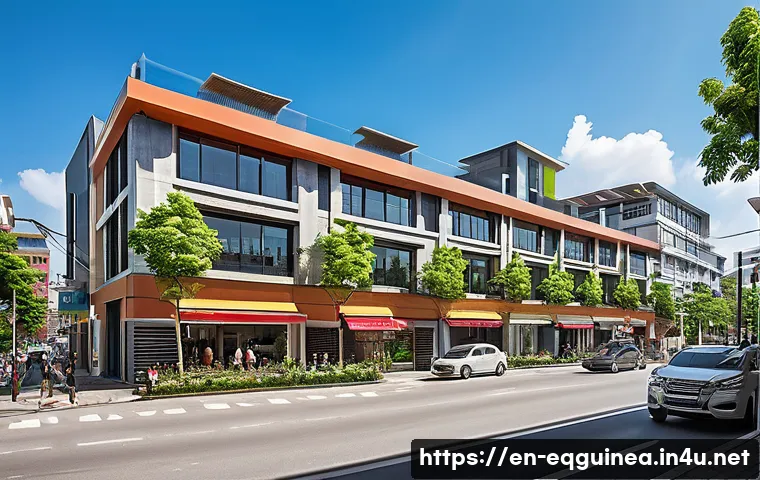
However, navigating this market requires a keen understanding of local regulations and emerging trends. From luxury villas in Malabo to affordable housing projects, the diversity is striking.
If you’re curious about how to make the most of these prospects, let’s dive deeper and explore the details together!
Emerging Urban Hubs and Their Investment Appeal
Malabo’s Luxury Property Scene
Malabo, the capital city, is where luxury real estate truly shines in Equatorial Guinea. Over the past few years, I’ve noticed a steady increase in high-end villas and gated communities tailored to expatriates and affluent locals.
The architecture often blends modern styles with tropical influences, offering a lifestyle that appeals to international investors. What’s fascinating is how these properties not only serve as prestigious residences but also as lucrative rental options.
Demand from oil executives and foreign diplomats keeps rental yields attractive, often surpassing other African capitals. For anyone keen on premium real estate, Malabo presents a compelling case with relatively affordable prices compared to similar markets elsewhere.
Growth of Bata as a Commercial and Residential Center
Bata, Equatorial Guinea’s largest city on the mainland, is rapidly transforming from an overlooked town into a bustling economic hub. The expansion of infrastructure and government initiatives to promote urban development have sparked a surge in residential construction.
What’s intriguing is the blend of affordable housing projects alongside commercial real estate developments. I’ve observed local entrepreneurs and developers increasingly focusing on mixed-use buildings that cater to a growing middle class.
For investors, Bata offers the potential of capital appreciation as the city’s population swells and demand for quality housing rises. Its strategic coastal location also makes it a key player in regional trade, enhancing its real estate value.
Smaller Towns with Untapped Potential
While Malabo and Bata steal most headlines, smaller towns like Mongomo and Ebebiyin quietly offer promising opportunities. These areas are less saturated and often overlooked, but they benefit from government plans aiming to decentralize growth.
I’ve found that land prices remain low, and the regulatory environment is comparatively flexible, making it easier for new developments. Plus, local communities are welcoming to projects that bring jobs and infrastructure improvements.
Investors who take the time to understand these micro-markets can find hidden gems with impressive long-term growth prospects.
Understanding Local Regulations and Ownership Rights
Property Ownership Laws and Foreign Investment
Navigating property ownership laws in Equatorial Guinea requires careful attention. Unlike some African countries, Equatorial Guinea allows foreign nationals to own real estate, but the process involves several bureaucratic steps.
From my experience, engaging a reliable local legal advisor is indispensable to avoid pitfalls. It’s essential to verify land titles and ensure compliance with zoning regulations.
Furthermore, the government occasionally updates policies to encourage foreign investment, so staying informed about legislative changes can make a big difference.
Understanding these nuances not only protects your investment but also speeds up transactions.
Taxation and Fees Impacting Real Estate Deals
Investors often overlook the impact of taxes and fees when entering a new market, but in Equatorial Guinea, these can significantly affect profitability.
Real estate transactions attract various taxes including registration fees, stamp duties, and sometimes capital gains tax. I’ve learned that these costs can add up to around 5-10% of the property value, depending on the deal’s structure.
Additionally, ongoing property taxes must be budgeted for, especially if you plan to hold assets long-term. Keeping a close eye on these financial obligations helps avoid surprises and ensures your investment remains viable.
Permits and Construction Regulations
When developing property, understanding local construction permits and building codes is crucial. Equatorial Guinea’s regulatory framework mandates approvals from municipal authorities before starting construction.
My personal takeaway is that timelines for permits can vary widely, often requiring patience and local connections. Environmental assessments might also be necessary, particularly for projects near protected areas.
Developers who anticipate these hurdles and plan accordingly tend to have smoother project execution and avoid costly delays.
Market Trends Shaping Future Opportunities
Rise of Affordable Housing Initiatives
There’s a noticeable shift towards affordable housing projects in Equatorial Guinea, driven by the government’s commitment to improve living standards.
From what I’ve seen, partnerships between public bodies and private developers are creating new neighborhoods with essential amenities at lower price points.
This trend opens doors for investors interested in volume rental income rather than luxury sales. Affordable housing also benefits from steady demand due to urban migration and population growth, making it a relatively stable investment segment with less volatility.
Impact of Infrastructure Development on Property Values
Infrastructure projects such as new roads, ports, and utility upgrades have a direct impact on real estate prices. Areas that were once considered remote are now increasingly accessible, boosting their attractiveness for residential and commercial use.
For example, the expansion of Bata’s port facilities has led to a surge in nearby property demand. Based on my observations, monitoring government infrastructure plans can reveal early-stage investment opportunities before prices escalate.
This proactive approach has paid off handsomely for investors who timed their acquisitions well.
Emergence of Green Building Practices
Sustainability is gaining traction even in emerging markets like Equatorial Guinea. I’ve encountered a few projects incorporating solar energy, rainwater harvesting, and eco-friendly materials.
While still niche, green buildings appeal to environmentally conscious tenants and can command premium rents. Moreover, they align with international ESG standards, attracting foreign investors with sustainable portfolios.
As awareness grows, I expect this segment to expand, creating new avenues for differentiation and long-term value.
Key Neighborhoods and Their Unique Characteristics
Malabo’s Waterfront District
The waterfront district in Malabo is known for its scenic views and vibrant lifestyle. Properties here range from modern apartments to sprawling villas, often with direct access to beaches and marinas.
I’ve noticed that this area attracts expatriates and local elites who value exclusivity and convenience. The nightlife, restaurants, and shopping centers nearby add to its allure, making it a hotspot for rental demand.
Investing in this district means tapping into a premium market with consistent occupancy rates.
Bata’s Central Business District
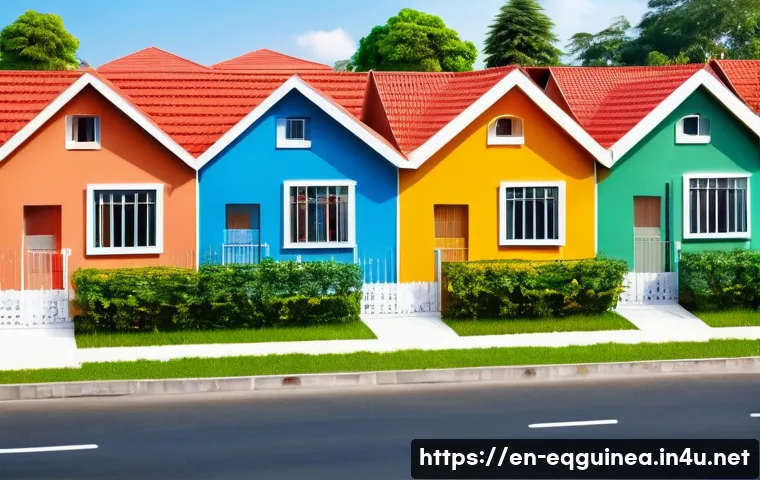
Bata’s CBD is evolving into a commercial powerhouse with new office buildings, retail spaces, and residential complexes. The area benefits from excellent transport links and proximity to government offices.
I have personally seen increased interest from businesses seeking headquarters, which drives demand for nearby housing. Mixed-use developments are particularly popular here, providing both workspaces and living quarters.
For investors, this neighborhood offers a blend of steady rental income and potential capital appreciation.
Emerging Suburbs with Family Appeal
Suburban neighborhoods around both Malabo and Bata are gaining traction among families seeking quieter, more spacious living environments. These areas often feature schools, parks, and community centers, creating a wholesome atmosphere.
I’ve found that these suburbs provide affordable entry points for middle-class buyers and renters. Because they’re still developing, there’s room for significant growth in property values.
Families looking for long-term stability tend to prefer these neighborhoods, making them a reliable market segment for investors.
Rental Market Dynamics and Income Potential
Demand Drivers for Rental Properties
Several factors drive rental demand in Equatorial Guinea, including the oil industry, government employment, and expatriate communities. I’ve observed that rental seekers prioritize proximity to workplaces and quality of life amenities.
This means properties near business districts or international schools often command higher rents. Seasonal fluctuations do occur, especially when oil sector activity slows, but overall demand remains robust.
Understanding these drivers helps landlords set competitive rates and minimize vacancy periods.
Typical Rental Yields and Tenant Profiles
Rental yields in prime locations can range from 7% to 12% annually, which is quite attractive compared to many other African markets. Tenants are usually professionals, diplomatic staff, or international workers who value furnished and secure accommodations.
In more affordable neighborhoods, families and local workers form the bulk of tenants, seeking long-term leases. From my experience managing rental properties here, tailoring offerings to tenant needs—such as including utilities or maintenance—can improve retention and income stability.
Challenges in Property Management
Managing rental properties in Equatorial Guinea does come with challenges. Infrastructure inconsistencies, such as power outages or water supply issues, occasionally disrupt tenant satisfaction.
I’ve also encountered bureaucratic hurdles when resolving disputes or enforcing lease agreements. Hiring local property managers who understand the landscape can alleviate many of these issues.
Additionally, clear communication with tenants and proactive maintenance help maintain property value and tenant loyalty over time.
Investment Strategies for Maximizing Returns
Long-Term Buy and Hold Approach
A popular strategy I recommend is buying properties in emerging areas with the intention of holding them long term. This approach benefits from the country’s ongoing urbanization and economic growth, which tend to push property values upward over time.
Patience is key here, as market liquidity can be limited, but the eventual capital gains often justify the wait. Investors should focus on locations with planned infrastructure projects and strong demographic trends.
Flipping Opportunities in High-Demand Areas
For those with a higher risk appetite, flipping properties in high-demand urban centers can yield quick profits. Renovating older homes or developing new builds in Malabo’s luxury districts or Bata’s commercial zones often attracts buyers looking for ready-to-move-in options.
Timing the market well is essential, as is understanding local construction costs and timelines. While this method requires more active management, it can significantly boost returns if executed skillfully.
Portfolio Diversification Through Mixed-Use Developments
Diversifying investments across residential, commercial, and mixed-use properties helps spread risk and capture multiple income streams. Mixed-use projects, combining retail and residential spaces, are increasingly popular in Equatorial Guinea’s growing cities.
From my observations, these developments attract a broader tenant base and can offer higher overall yields. They also tend to be more resilient during economic fluctuations, providing a buffer against sector-specific downturns.
Comparative Overview of Key Real Estate Segments
| Segment | Typical Price Range (USD) | Average Rental Yield | Primary Tenant/Buyer | Investment Risk Level |
|---|---|---|---|---|
| Luxury Villas (Malabo) | 200,000 – 600,000 | 8% – 12% | Expatriates, Diplomats | Medium |
| Affordable Housing (Bata & Suburbs) | 30,000 – 100,000 | 6% – 9% | Local Families, Workers | Low to Medium |
| Commercial Spaces (Bata CBD) | 100,000 – 350,000 | 7% – 10% | Businesses, Entrepreneurs | Medium |
| Mixed-Use Developments | 150,000 – 400,000 | 8% – 11% | Various | Medium to High |
| Emerging Town Residential Lots | 10,000 – 40,000 | N/A (Land Appreciation) | Investors, Developers | High |
Conclusion
Equatorial Guinea’s real estate market offers a diverse range of opportunities across emerging urban centers and smaller towns. Whether you’re drawn to luxury properties in Malabo or affordable housing in Bata, the growing infrastructure and evolving regulations make it an intriguing destination for investors. With careful planning and local insight, the potential for solid returns and long-term growth is strong.
Useful Information to Keep in Mind
1. Understanding local property laws and engaging trusted legal advisors is crucial to navigating ownership and investment smoothly.
2. Factor in taxes, fees, and ongoing costs early on to ensure realistic budgeting and avoid unexpected expenses.
3. Monitoring government infrastructure projects can help identify promising areas before property values rise.
4. Tailoring rental properties to tenant needs, including maintenance and utilities, improves income stability and retention.
5. Diversifying your real estate portfolio across residential, commercial, and mixed-use developments reduces risk and enhances overall returns.
Key Takeaways for Successful Investment
Investing in Equatorial Guinea requires a balanced approach that combines local market knowledge with strategic patience. Prioritize locations with planned infrastructure growth and consider both luxury and affordable segments to diversify risk. Working with local experts to navigate regulations and property management challenges will help protect your investment and maximize returns over time. Ultimately, a well-informed, flexible strategy positions investors to benefit from the country’s expanding urban landscape and evolving market dynamics.
Frequently Asked Questions (FAQ) 📖
Q: What are the key factors to consider before investing in Equatorial Guinea’s real estate market?
A: Before diving into Equatorial Guinea’s real estate scene, it’s crucial to understand local property laws, especially regarding foreign ownership and land rights.
The market is still developing, so having a trusted local partner or legal advisor can save you headaches. Additionally, keep an eye on urban growth areas like Malabo, where demand for both luxury and affordable housing is rising.
Infrastructure development and political stability also play big roles, so staying updated on these aspects will help you make smarter investment choices.
Q: How can investors benefit from the rental market in Equatorial Guinea?
A: The rental market offers promising returns, particularly in cities where the economy is expanding and the expatriate community is growing. I’ve noticed that luxury villas in Malabo attract high-end tenants willing to pay premium prices, while affordable housing projects meet the needs of local workers and young families.
If you’re considering rentals, focusing on quality construction and strategic locations near business hubs or schools can boost occupancy rates and steady cash flow.
Q: Are there any challenges or risks associated with property development in Equatorial Guinea?
A: Absolutely, like any emerging market, there are risks to navigate. Bureaucratic delays and inconsistent enforcement of regulations can slow down projects.
Also, infrastructure in some areas may not be fully developed, which can impact property values and tenant interest. From my experience and conversations with local developers, patience and thorough due diligence are key.
Understanding community needs and aligning projects with government development plans can mitigate many of these challenges.