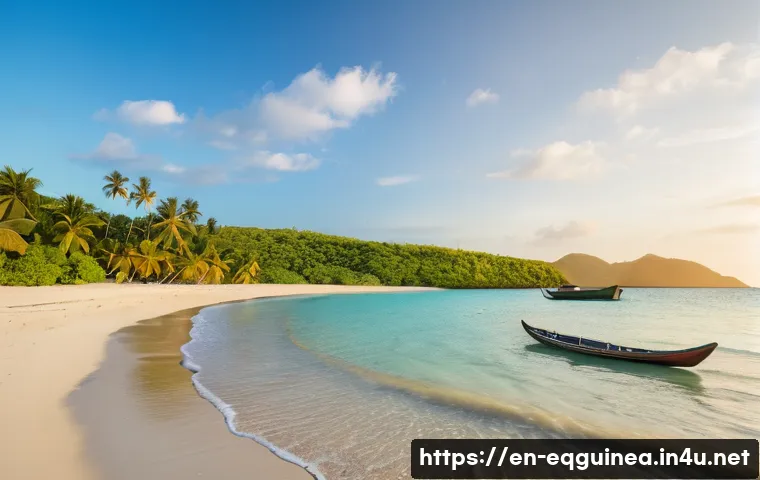
Equatorial Guinea offers a hidden gem for beach lovers seeking untouched shores and vibrant coastal culture. Its pristine beaches boast crystal-clear waters and lush surroundings, perfect for both relaxation and adventure.
Beyond sunbathing, the country’s unique blend of African and Spanish influences creates an unforgettable travel experience. Exploring the local cuisine, wildlife, and charming villages adds depth to any beach getaway here.
If you’re curious about the best spots and how to make the most of your trip, stick around. Let’s dive into the details and uncover the top travel routes waiting for you!
Discovering Tranquil Coastal Escapes
Secluded Beaches Away from the Crowds
One of the most refreshing things about Equatorial Guinea is its abundance of relatively untouched beaches. Unlike the usual crowded tourist spots, many of these shores are peaceful and serene, offering a perfect sanctuary for those who want to unwind without distractions.
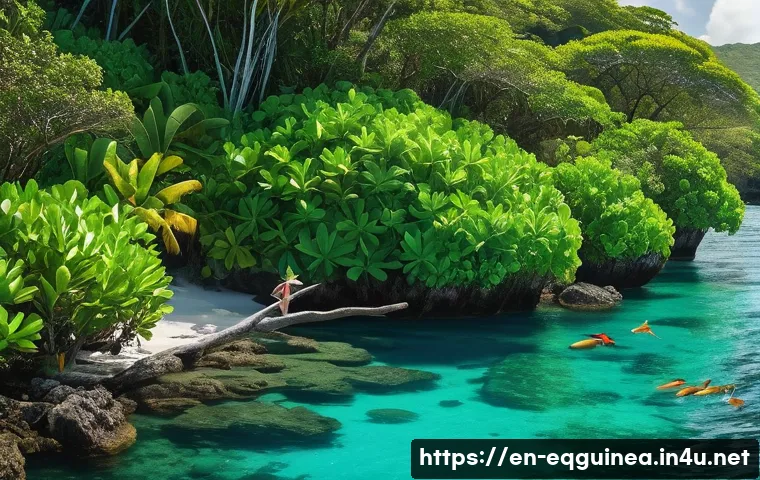
Imagine walking along a stretch of soft, golden sand with just the sound of gentle waves and distant bird calls. Places like Corisco Island offer this kind of secluded beauty, where you can bask under the sun or take a refreshing swim in crystal-clear waters that feel like a private paradise.
The lack of heavy commercialization means you can truly connect with nature, spotting colorful marine life just beneath the surface during your snorkeling adventures.
Local Vibes and Coastal Culture
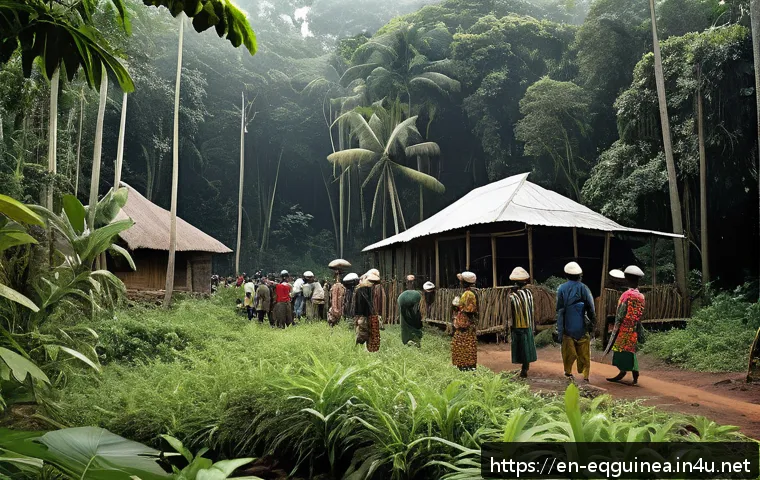
What really adds a special touch to beach visits in this region is the vibrant coastal culture. Fishing villages scattered along the coast showcase a way of life that’s deeply connected to the sea.
Here, you’ll find friendly locals eager to share their stories and traditions, often centered around fishing and seafood preparation. Don’t miss the chance to try freshly caught fish grilled over open fires or to witness traditional canoe fishing methods still practiced today.
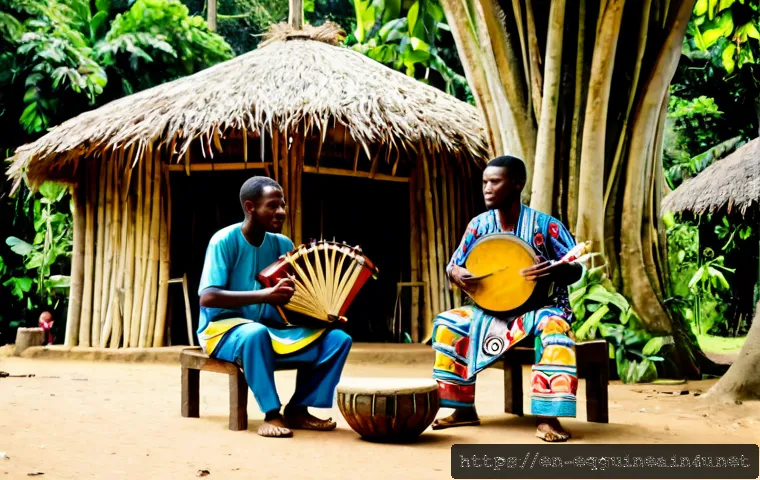
The blend of African heritage with Spanish colonial influences creates a fascinating cultural mosaic, evident in the colorful markets and festive music that sometimes spills onto the shore during local celebrations.
These cultural experiences turn a simple beach day into a meaningful encounter with the community’s heartbeat.
Exploring Unique Island Adventures
Corisco Island’s Untamed Beauty
Corisco Island is often regarded as one of Equatorial Guinea’s best-kept secrets. This small island offers more than just beautiful beaches — it’s a haven for eco-adventurers and wildlife enthusiasts alike.
The island’s lush greenery, mangrove forests, and vibrant coral reefs create a rich ecosystem that’s ideal for hiking, birdwatching, and snorkeling. When I visited, I was amazed by how easy it was to switch from a lazy beach afternoon to an exciting trek through the forest, spotting rare bird species and colorful butterflies.
The island’s calm and welcoming atmosphere means you can enjoy both solitude and friendly encounters with locals who live in small, rustic villages.
Bioko Island’s Diverse Coastal Experiences
Bioko Island, the largest island in the country, offers a diverse range of coastal experiences. From volcanic black sand beaches to rocky cliffs and hidden coves, it’s a playground for explorers.
The island’s capital, Malabo, sits near the coast and serves as a gateway to these natural wonders. I found that combining a city stay with day trips to nearby beaches offered the best balance — you can enjoy urban comforts while having easy access to nature.
On Bioko, you can also visit places like Playa Morena, where the mix of palm trees and turquoise waters create stunning photo opportunities and a tranquil vibe perfect for long, lazy afternoons.
Sampling Coastal Flavors and Traditions
Fresh Seafood and Local Dishes
One of my favorite parts about visiting coastal areas is indulging in the local cuisine, and Equatorial Guinea doesn’t disappoint. The seafood here is incredibly fresh, often caught just hours before it reaches your plate.
Popular dishes include grilled fish seasoned with regional spices, crab stews, and shrimp cooked in rich, coconut-based sauces. Dining at small beachside eateries gives you a chance to savor these flavors in a relaxed setting, often accompanied by fresh tropical fruits and homemade palm wine.
The blend of African spices and Spanish culinary influence creates dishes that are both comforting and exciting to the palate.
Markets and Culinary Experiences
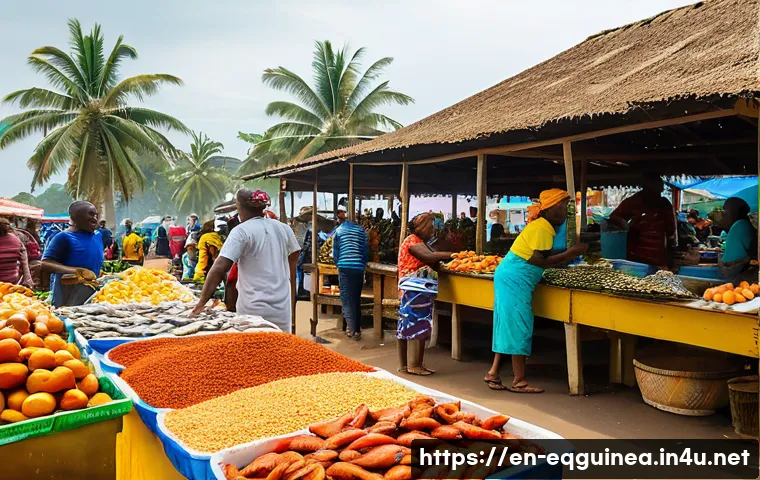
Visiting local markets near the coast is a feast for the senses. Vibrant stalls overflow with fresh fish, tropical fruits, and handmade crafts. I remember chatting with vendors who proudly explained how their recipes have been passed down through generations, mixing indigenous ingredients with Spanish techniques.
If you’re adventurous, try some street food snacks like fried plantains or akara (bean cakes), which make excellent beachside nibbles. Participating in a cooking class or food tour can deepen your appreciation for how food connects people to their land and heritage here.
Wildlife Encounters Along the Shoreline
Marine Life and Snorkeling Spots
Equatorial Guinea’s coastal waters are teeming with marine biodiversity. Snorkeling here is a real treat — from vibrant coral reefs hosting schools of tropical fish to the occasional sea turtle gliding gracefully nearby.
I found that hiring a local guide not only enhanced safety but also enriched the experience, as they pointed out hidden underwater gems and explained the ecosystem’s delicate balance.
For those who love underwater photography, the clarity of the water and variety of species provide excellent opportunities to capture stunning images.
Birdwatching and Coastal Fauna
Beyond the water, the coastal areas serve as vital habitats for many bird species, making it a haven for birdwatchers. Mangroves and wetlands attract a diverse range of birds, from colorful kingfishers to elegant herons.
On my visits, I often spent early mornings quietly observing these creatures, enjoying the peacefulness that comes with being immersed in nature. The interplay between land and sea here creates unique environments where you can spot not only birds but also crabs, lizards, and occasionally monkeys near the shore.
Practical Travel Tips and Routes for Coastal Exploration
Getting Around and Accommodation Options
Traveling along Equatorial Guinea’s coast requires some planning, as infrastructure can be limited in remote areas. Most travelers rely on a combination of small boats, taxis, and local minibusses to hop between islands and coastal towns.
Accommodations range from modest beach bungalows to a few boutique lodges offering more comfort and scenic views. When I planned my trip, I found booking ahead essential during peak seasons, especially on popular islands like Bioko and Corisco.
Opting for locally run guesthouses not only supports the community but also enriches your experience through personal interactions.
Recommended Coastal Itineraries
To make the most out of your coastal adventure, consider starting in Malabo on Bioko Island, where you can explore urban culture before heading to quieter beaches.
Spend a few days snorkeling and hiking, then take a boat to Corisco Island for a more off-the-beaten-path experience. If time allows, a visit to the mainland’s coastline near Bata offers a chance to see bustling markets and coastal villages.
Here’s a simple itinerary outline:
| Day | Location | Main Activities |
|---|---|---|
| 1-2 | Malabo (Bioko Island) | City exploration, Playa Morena beach, local markets |
| 3-4 | Corisco Island | Snorkeling, hiking, village visits |
| 5 | Bata Coast (Mainland) | Market tours, coastal village experiences |
| 6 | Return to Malabo or onward travel | Relaxation, final shopping |
This route balances nature, culture, and relaxation, making it ideal for first-time visitors wanting a comprehensive taste of the coast.
Engaging with Local Communities Responsibly
Supporting Sustainable Tourism
Engaging with local communities in a respectful and sustainable way is crucial when visiting Equatorial Guinea’s coasts. Many communities depend on fishing and small-scale tourism, so choosing eco-friendly activities and local services helps preserve their environment and livelihoods.
I made it a point to hire local guides and stay in family-run accommodations, which not only provided deeper insights but also ensured my money directly benefited the people I met.
Sustainable travel here means minimizing waste, respecting wildlife habitats, and honoring local customs.
Meaningful Cultural Exchanges
Beyond sightseeing, interacting with locals offers an invaluable perspective on the region’s history and everyday life. Whether it’s joining in a traditional dance, learning a few phrases in Fang or Spanish, or simply sharing meals, these moments enrich your journey far beyond the beaches.
I found that showing genuine interest and openness often led to invitations to community events or home-cooked meals, creating memories that no guidebook could capture.
Being present and mindful fosters connections that make your coastal adventure truly unforgettable.
Conclusion
Equatorial Guinea’s coastal regions offer an exceptional blend of tranquility, rich culture, and natural beauty that is hard to find elsewhere. From secluded beaches to vibrant local communities, every moment presents a chance to connect deeply with both nature and tradition. Whether you’re seeking adventure, relaxation, or meaningful cultural experiences, this hidden gem promises a coastal escape like no other.
Useful Information to Keep in Mind
1. Travel infrastructure can be limited, so planning your transportation and accommodation in advance is essential for a smooth trip.
2. Hiring local guides enhances your experience and supports the community’s economy while ensuring safety during activities like snorkeling and hiking.
3. Embrace sustainable tourism practices by minimizing waste, respecting wildlife, and choosing eco-friendly services to help preserve the environment.
4. Sampling local seafood and engaging with coastal markets offer authentic tastes and insights into the region’s culinary heritage.
5. Learning a few local phrases and participating in cultural activities can open doors to more meaningful interactions with residents.
Key Takeaways for Your Coastal Journey
When exploring Equatorial Guinea’s coast, remember that balancing adventure with respect for local customs and the environment enriches your travel experience. Prioritize small, locally owned accommodations and businesses to support the community directly. Prepare for limited infrastructure by arranging transport ahead of time and remain flexible with plans. Dive into cultural exchanges wholeheartedly, as these moments create lasting memories beyond typical sightseeing. Above all, approach your visit with mindfulness to ensure your journey is rewarding for both you and the people you meet along the way.
Frequently Asked Questions (FAQ) 📖
Q: What are the best beaches to visit in Equatorial Guinea for a peaceful getaway?
A: If you’re looking for tranquility and unspoiled beauty, Malabo’s Arena Blanca Beach is a top choice with its soft white sands and calm waters. For a more adventurous vibe, consider visiting Corisco Island, where the beaches are less crowded and surrounded by lush greenery.
These spots offer a genuine escape from the tourist crowds, letting you soak up the serene atmosphere while enjoying crystal-clear waters and vibrant coastal life.
Q: How can I experience the local culture while visiting the beaches in Equatorial Guinea?
A: The coastal areas are perfect for immersing yourself in Equatorial Guinea’s unique cultural mix. Near the beaches, you’ll find charming fishing villages where locals warmly welcome visitors.
Take time to try traditional dishes like fish stews infused with local spices, and explore markets offering handcrafted souvenirs. Attending local festivals or music events, especially in Malabo, adds an unforgettable cultural layer to your beach vacation.
Q: What is the best way to get around and explore the coastal regions of Equatorial Guinea?
A: Traveling between beach destinations can be a bit challenging due to limited infrastructure, but hiring a local guide or driver is highly recommended.
They know the best routes and can introduce you to hidden gems along the way. For island spots like Corisco, boat rides are essential and offer scenic views of the coastline.
Planning your trip with some flexibility will help you make the most of the stunning coastal landscapes and authentic experiences.