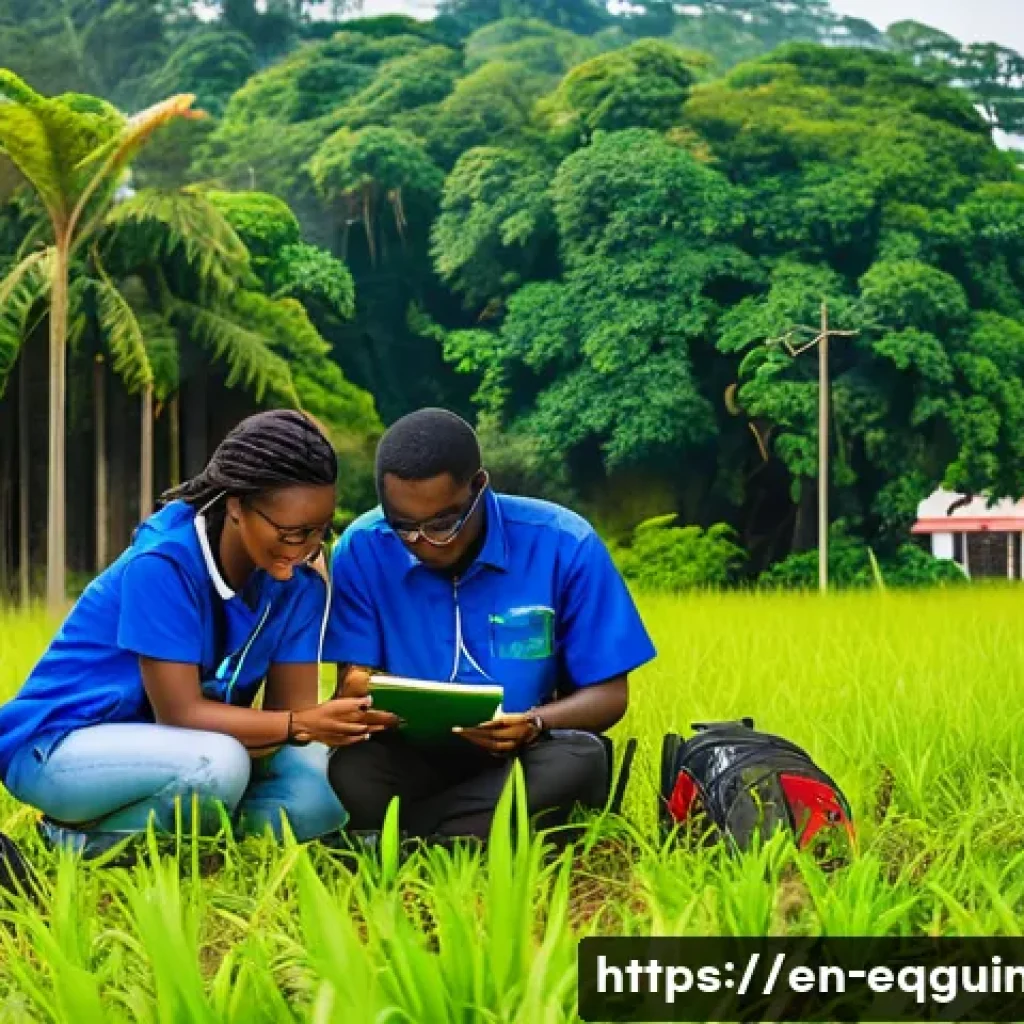
Choosing to study abroad in Equatorial Guinea offers a unique blend of cultural immersion and educational opportunities in a rapidly developing African nation.
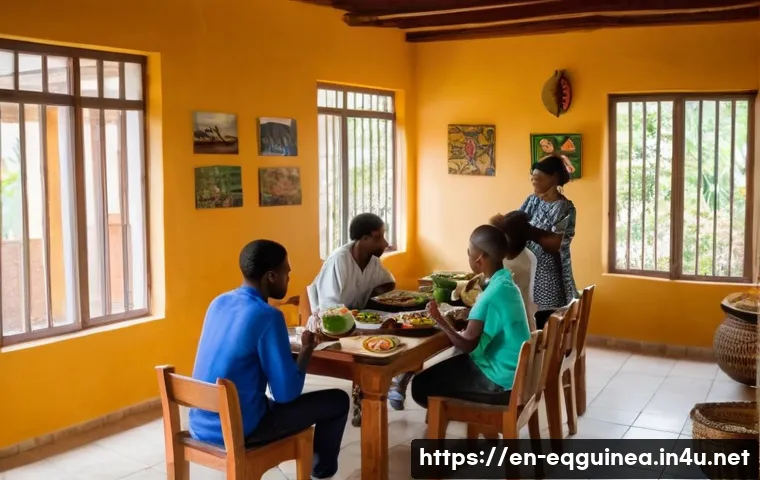
Known for its rich biodiversity and emerging academic institutions, the country is attracting students eager to explore new perspectives. Whether you’re interested in language studies, environmental science, or international relations, Equatorial Guinea provides a distinctive setting that fosters personal and academic growth.
Navigating the application process and understanding local customs can be challenging but rewarding. Let’s dive deeper to uncover what makes studying here truly special and how you can make the most of your experience.
Stay with me as we explore all the essential details ahead!
Understanding the Educational Landscape in Equatorial Guinea
Emerging Universities and Academic Programs
Equatorial Guinea’s higher education system is still growing, but it offers some intriguing options for students looking to study in Africa. The main universities are concentrated in Malabo and Bata, with institutions like the National University of Equatorial Guinea (UNGE) leading the way.
What’s exciting is how these schools are expanding their offerings, especially in fields such as environmental science, engineering, and international relations.
From my experience talking to students on the ground, these programs often combine classroom learning with hands-on fieldwork, which is invaluable if you want to connect theory with real-world challenges.
Though the infrastructure might not be as polished as in Western countries, the opportunity to be part of a developing academic environment is a unique draw for adventurous learners.
Language of Instruction and Multilingual Opportunities
Spanish is the official language of instruction, which makes Equatorial Guinea stand out in Africa where English or French are more common. This presents a fantastic chance to immerse yourself in Spanish while also encountering local languages like Fang and Bubi.
I found that many students appreciate this multilingual environment because it broadens their linguistic abilities beyond their home languages. For anyone interested in language studies or translation, it’s a living lab for cultural and linguistic diversity.
Don’t worry if your Spanish isn’t perfect on arrival; most universities offer language support programs to help international students adjust quickly.
Accreditation and International Recognition
One of the important things to check before enrolling is whether the program you’re interested in is accredited and recognized internationally. While Equatorial Guinea is still developing its academic reputation, many universities have partnerships with institutions abroad, particularly in Spain and other Spanish-speaking countries.
This means some degrees hold value beyond the country’s borders, which is reassuring if you plan to work or continue studies internationally after graduation.
I recommend asking the admissions office for details about these partnerships and potential credit transfers to make sure your investment pays off in the long run.
Practical Tips for Navigating the Student Visa Process
Visa Application Essentials
Getting your student visa can feel like a maze, but with the right info, it’s manageable. You’ll typically need an acceptance letter from your university, proof of funds, and a valid passport.
The consulate might also ask for a health certificate and criminal background check. What caught me off guard was how crucial it is to start the process early—waiting until the last minute can cause unnecessary stress.
The embassy staff are generally helpful if you have all your paperwork in order, so double-check everything before submitting. Also, keep in mind that visa processing times can vary, sometimes taking several weeks, so patience is key.
Residence Permits and Local Registration
Once you arrive, you’ll need to register with local authorities and obtain a residence permit. This step is essential if you want to stay legally throughout your studies.
From conversations with other international students, I learned that the process involves visiting immigration offices and submitting your visa, passport, and proof of enrollment.
It may require multiple visits, so plan accordingly. Many students find it helpful to connect with local student groups or university international offices to get advice on these bureaucratic steps.
Trust me, having a support network makes a world of difference.
Health Insurance and Medical Requirements
Health insurance is often overlooked but is crucial when studying abroad in Equatorial Guinea. Universities usually require proof of health coverage before enrollment, and international health insurance plans are recommended.
From my personal experience, local healthcare facilities vary in quality, especially outside major cities, so having comprehensive insurance can save you from unexpected expenses.
Vaccinations for yellow fever and other tropical diseases are also mandatory, so consult a travel clinic well in advance. Staying healthy during your studies will allow you to focus on what really matters: learning and exploring.
Living Costs and Budgeting Strategies for Students
Accommodation Options and Pricing
Finding a place to live can be one of the biggest challenges, but it’s also one of the most rewarding parts of immersing yourself in Equatorial Guinea’s culture.
Dormitories at universities are limited but affordable, usually ranging between $100 to $200 per month. Many students opt for private rentals, which can vary widely depending on location.
I personally found that sharing an apartment in Malabo brought the best balance between cost and comfort, and it also helped me make friends quickly. When budgeting, always factor in utilities and internet costs, which might not be included in rent.
Daily Expenses and Food Costs
Eating locally is both a delicious and economical way to manage your budget. Markets offer fresh produce at very reasonable prices, and street food is widely available, letting you sample authentic dishes without breaking the bank.
Imported goods, however, tend to be expensive, so it’s best to limit those unless necessary. From my experience, cooking your own meals is a smart way to save money, especially if you’re living in shared accommodation with kitchen facilities.
Transportation costs are generally low, with buses and shared taxis as common options.
Budget Planning for Miscellaneous Expenses
Besides rent and food, you’ll want to set aside funds for essentials like study materials, social activities, and occasional travel. Internet and mobile data plans can be a significant monthly expense, so it’s worth comparing providers and plans before committing.
Also, emergencies happen, so having a financial cushion is wise. I recommend keeping a simple spreadsheet or using budgeting apps to track your spending—it helped me avoid surprises and stay in control of my finances throughout the year.
| Expense Category | Estimated Monthly Cost (USD) | Notes |
|---|---|---|
| Accommodation (Dorm/Shared Apartment) | 100 – 300 | Depends on location and type |
| Food | 150 – 250 | Local markets cheaper than imported goods |
| Transportation | 20 – 50 | Public transport is affordable |
| Internet & Mobile | 30 – 60 | Variable by provider and plan |
| Miscellaneous (Books, Leisure) | 50 – 100 | Includes study materials and social outings |
Cultural Insights and Social Integration Tips
Understanding Local Traditions and Etiquette
Equatorial Guinea’s cultural fabric is a vibrant mix of indigenous customs and Spanish colonial influences, making it an exciting place to live and learn.
Respect for elders and community plays a central role, so it’s important to observe local etiquette, like greetings and dress codes, especially in rural areas.
I remember feeling a bit unsure at first, but locals are generally warm and appreciative when you make an effort to understand their ways. Simple gestures, like learning a few phrases in Fang or Bubi, go a long way in building rapport and showing respect.
Building Friendships and Community Connections
Making friends abroad can feel intimidating, but joining university clubs or language exchange groups makes it easier. I found that participating in cultural festivals and local events helped me connect with both Equatoguinean students and other internationals.
Volunteering is another fantastic way to integrate—there are opportunities related to environmental conservation and education that align well with academic interests.
Being proactive in social settings not only enriches your experience but also creates a support network that’s invaluable when you face challenges.
Safety and Navigating Daily Life
Like any place, safety is a consideration, but overall, Equatorial Guinea is relatively peaceful for students. Staying aware of your surroundings, avoiding isolated areas at night, and following local advice are practical steps that helped me feel secure.
Public transport can be crowded, so it’s wise to keep your belongings close. Also, learning some basic emergency numbers and having a local SIM card for communication proved essential.
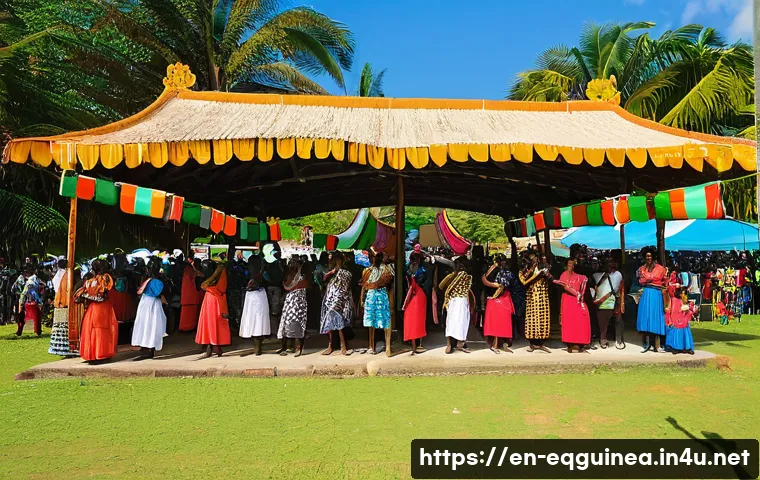
Embracing the local lifestyle with caution and respect allows for a richer and safer experience.
Academic and Career Benefits of Studying in Equatorial Guinea
Unique Research Opportunities in Biodiversity and Environment
Equatorial Guinea is a biodiversity hotspot, making it a dream destination for students in environmental sciences and biology. The country’s rainforests, marine ecosystems, and unique wildlife offer hands-on research possibilities that are hard to find elsewhere.
I’ve heard from peers who have conducted fieldwork here that the experience is transformative, giving them practical skills and a deeper understanding of conservation challenges.
Universities often collaborate with local and international research bodies, so you can be part of projects that have real-world impact.
Networking with Regional and International Experts
Thanks to its growing economic ties and strategic position in Central Africa, Equatorial Guinea attracts professionals and academics from around the world.
Many universities host guest lectures, workshops, and conferences that provide excellent chances to meet experts and build professional networks. I personally found that these events opened doors for internships and future job prospects.
Getting involved in such activities early on can give you a significant advantage in your career path.
Enhancing Global Competence and Adaptability
Studying in a developing country like Equatorial Guinea challenges you to adapt, solve problems creatively, and engage with diverse cultures—all highly valued skills in today’s global job market.
From what I’ve seen, students return home with a broader perspective and increased confidence. Employers often appreciate this kind of international experience because it shows resilience and cross-cultural communication abilities.
These soft skills can sometimes be more important than technical knowledge alone, especially in fields like international development and diplomacy.
Essential Preparations Before Arrival
Health Precautions and Vaccinations
Before setting foot in Equatorial Guinea, making sure your vaccinations are up-to-date is crucial. Yellow fever vaccination is mandatory, and others like hepatitis A, typhoid, and malaria prophylaxis are highly recommended.
I learned the hard way that skipping this step could lead to serious illness, which would completely disrupt your studies. Consulting a travel medicine specialist at least six weeks before departure gives you enough time to prepare and get any required shots.
Packing Smart for Climate and Lifestyle
Equatorial Guinea’s tropical climate means it’s warm and humid year-round, with a rainy season that can get intense. Packing light, breathable clothing is a must, but don’t forget rain gear and sturdy shoes for outdoor activities.
From personal experience, a reliable mosquito net and insect repellent were lifesavers. Also, bringing some essential medications and toiletries that might be hard to find locally helped me avoid last-minute store runs.
Remember, your luggage should balance comfort with practicality to handle both urban and rural settings.
Preparing Academically and Mentally
Equatorial Guinea’s academic style might differ from what you’re used to, with a focus on oral presentations and community projects. It’s helpful to familiarize yourself with the curriculum in advance and brush up on your Spanish skills.
Mentally, preparing for a slower pace of life and occasional bureaucratic hurdles will help you stay patient and positive. I found journaling my experiences and setting small goals kept me motivated and grounded throughout the adjustment period.
Embracing the adventure with an open mind makes all the difference.
Technology and Connectivity for Students Abroad
Internet Access and Digital Resources
Staying connected is essential, and while internet speed can be inconsistent, major cities like Malabo offer decent access through local providers. I personally recommend purchasing a local SIM card with data as a backup to campus Wi-Fi, which might drop out during peak hours.
Universities are increasingly investing in digital libraries and online learning platforms, which proved helpful when I needed to access resources remotely.
Planning ahead to download materials or apps before arrival can save you from frustration later.
Useful Apps and Online Communities
Several apps can make your life easier—from transportation to language learning and social networking. For instance, WhatsApp is widely used for communication, while Google Translate helps break language barriers in daily interactions.
I also found Facebook groups dedicated to international students in Equatorial Guinea invaluable for tips and social events. Engaging with these communities before and during your stay can provide emotional support and practical advice, helping you feel less isolated.
Balancing Screen Time and Cultural Engagement
While technology is a lifeline, don’t forget to unplug and immerse yourself in the local culture. I noticed that students who balanced online time with outdoor activities, language practice, and socializing had a richer experience overall.
Nature walks, market visits, and traditional celebrations offer insights that no screen can replicate. Finding this balance can improve your mental health and deepen your appreciation of your host country, making your study abroad journey more fulfilling.
글을 마치며
Studying in Equatorial Guinea offers a unique blend of academic growth and cultural immersion that few places can match. While challenges exist, the opportunities to engage with diverse communities, gain hands-on experience, and develop valuable skills make it a rewarding adventure. With proper preparation and an open mind, students can thrive and create unforgettable memories. Whether it’s the natural beauty or the emerging educational landscape, Equatorial Guinea invites you to explore and grow.
알아두면 쓸모 있는 정보
1. Start your student visa application early to avoid delays and ensure all required documents are complete.
2. Spanish is the main language of instruction, but local languages like Fang and Bubi enrich your cultural experience.
3. Budget carefully by prioritizing local food and shared accommodations to save on living costs.
4. Health insurance and mandatory vaccinations are essential for a safe and uninterrupted study period.
5. Engage with local communities and international student groups to build friendships and navigate daily life smoothly.
중요 사항 정리
Equatorial Guinea’s educational system is developing, with expanding programs especially in environmental and international studies, but infrastructure may vary. Spanish language proficiency is important, though support is available for learners. Visa and residence permit processes require early preparation and patience, while health precautions like vaccinations and insurance are critical. Living costs can be managed by choosing affordable accommodation and local food. Finally, embracing cultural traditions and building social networks enhances safety and enriches the overall study abroad experience.
Frequently Asked Questions (FAQ) 📖
Q: What are the main challenges international students face when studying in Equatorial Guinea?
A: One of the biggest challenges is adjusting to the local language and customs since Spanish, French, and Portuguese are widely spoken, but English is less common.
Navigating daily life can feel overwhelming at first, especially when dealing with administrative tasks or finding housing. Additionally, infrastructure like internet connectivity may not always be reliable, so being adaptable is key.
However, once you settle in, the warmth of the local community and the unique cultural experiences make it all worthwhile.
Q: How can studying in Equatorial Guinea benefit my academic and personal growth?
A: Studying in Equatorial Guinea offers a rare opportunity to engage with diverse ecosystems, particularly if you’re into environmental science or biodiversity.
The country’s developing academic institutions provide hands-on learning experiences that aren’t always available elsewhere. Personally, living in a rapidly evolving society encourages flexibility, problem-solving, and cross-cultural communication skills.
From my experience, the chance to step outside your comfort zone and immerse yourself in new perspectives truly broadens your horizons.
Q: What should I know about the application process for universities in Equatorial Guinea?
A: The application process can be a bit different from what you might be used to. Many universities require proof of language proficiency in Spanish or French, along with academic transcripts and recommendation letters.
It’s important to start early and communicate directly with the admissions office to clarify requirements. Some programs might also ask for a statement of purpose or an interview.
From what I’ve seen, being proactive and prepared makes the process much smoother and increases your chances of acceptance.