Alright, let’s dive into the fascinating world of language in Equatorial Guinea! You know, when I first started exploring African linguistics, I honestly never expected to find a place quite like this.
It’s truly a linguistic marvel that often gets overlooked, and honestly, that’s a real shame because there’s so much rich history and culture embedded in its spoken words.
Imagine a country in the heart of Central Africa where not one, not two, but three European languages proudly hold official status: Spanish, French, and Portuguese!
It’s such a unique blend, making Equatorial Guinea the only nation in Africa where Spanish truly shines as a dominant official language, echoing its colonial past and influencing daily life from classrooms to marketplaces.
But trust me, that’s just the tip of the iceberg! What I’ve found incredibly captivating is how these official languages beautifully—and sometimes challengingly—coexist with a vibrant tapestry of indigenous tongues like Fang and Bubi.
These local languages aren’t just words; they’re the very heartbeat of communities, carrying centuries of stories, traditions, and a cultural identity that’s fiercely guarded in a rapidly globalizing world.
It’s a constant dynamic, seeing how these linguistic landscapes evolve, with some scholars even predicting shifts in which languages will dominate business and influence the future.
It makes you wonder, doesn’t it, about the future of cultural preservation through language? If you’re as intrigued as I am by this incredible linguistic melting pot and the stories it holds, you’re in for a treat.
Let’s find out exactly how these languages shape the vibrant culture and daily experiences in Equatorial Guinea!
The Lingua Franca Kaleidoscope: Why Spanish Still Reigns Supreme
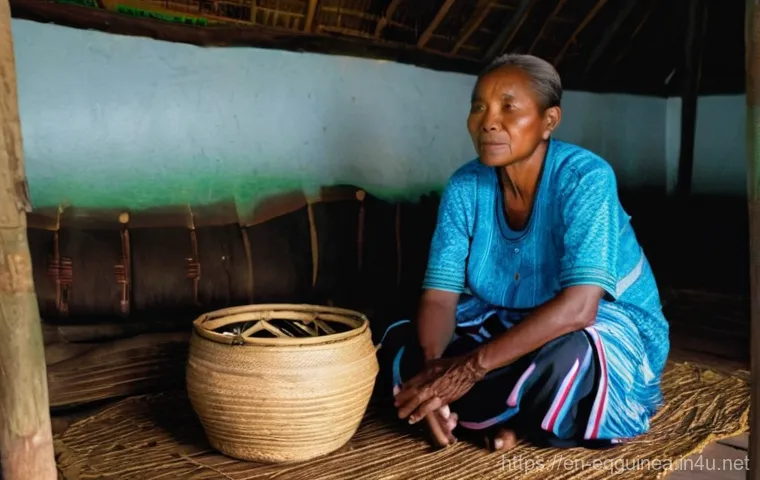
You know, it’s truly fascinating how history leaves such an indelible mark on a nation’s identity, especially when it comes to language. In Equatorial Guinea, Spanish isn’t just an official language; it’s woven into the very fabric of daily life, a vibrant thread connecting generations.
When I think about it, no other country in Africa has Spanish as such a dominant force, and that’s a legacy of its colonial past that has profoundly shaped its present.
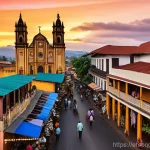
From the bustling streets of Malabo to the quiet villages nestled in the jungle, you’ll hear Spanish everywhere. It’s the language of government, education, and most formal communication.
I remember reading once about how students learn Spanish from their very first days in school, and honestly, that consistent immersion is probably why it maintains such a strong foothold.
It creates a sense of shared understanding across diverse ethnic groups, acting as a crucial unifying force in a nation rich with linguistic variety. It’s truly impressive to witness how a language imported centuries ago can still thrive with such vitality today.
Echoes of the Past: Education and Governance
It’s undeniable how deeply Spanish is entrenched in the educational system here. From kindergarten all the way through university, instruction is primarily delivered in Spanish.
This creates a really interesting dynamic where even if a child grows up speaking an indigenous language at home, they become fluent in Spanish through their schooling.
This not only equips them for higher education but also opens doors to opportunities in government, business, and beyond. Think about it: every official document, every legal proceeding, every parliamentary debate – it all unfolds in Spanish.
This consistency helps maintain clarity and order, but it also means that to truly navigate the formal structures of Equatorial Guinean society, a strong grasp of Spanish is absolutely essential.
It’s like a key that unlocks so many aspects of public life, and you can really feel its influence just by observing the flow of information and decision-making within the country.
Daily Rhythms: From Markets to Media
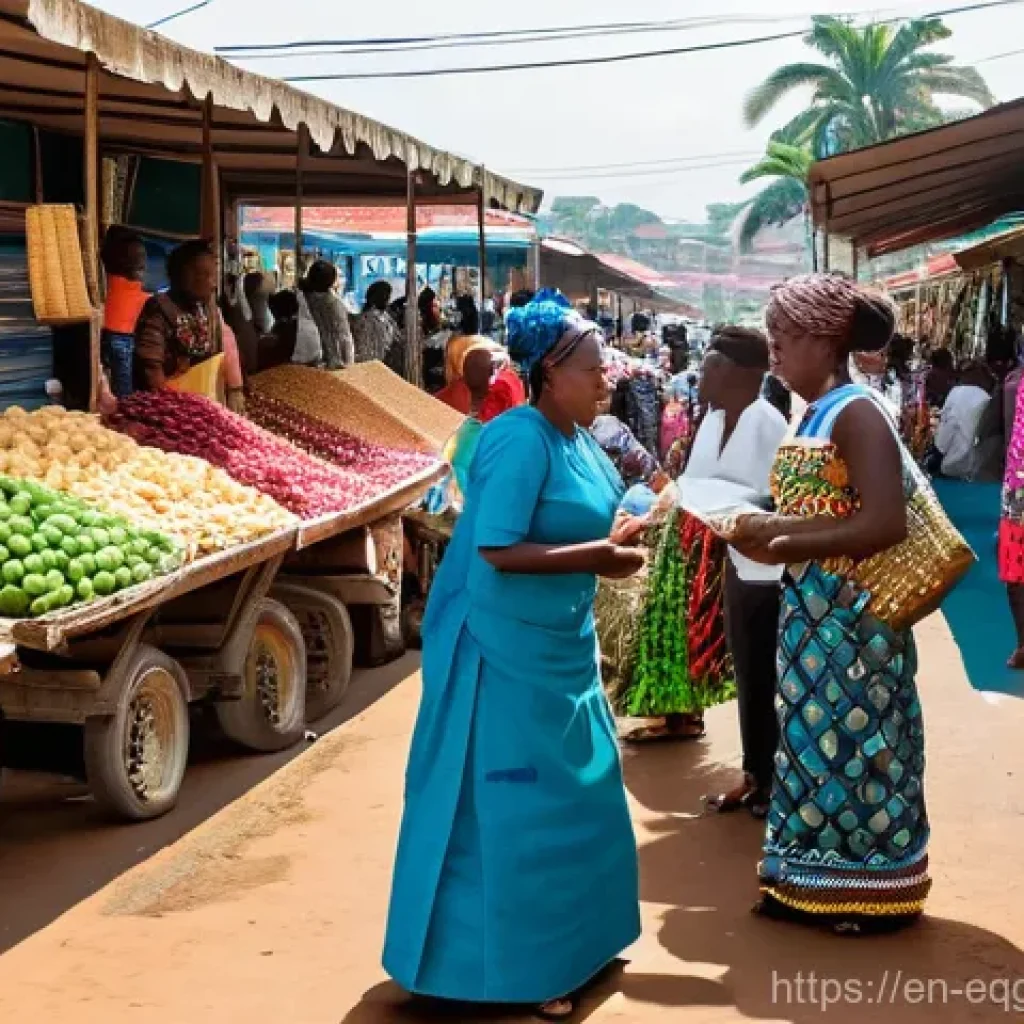
When you walk through a local market or tune into a radio station in Equatorial Guinea, you’ll quickly realize just how much Spanish permeates everyday interactions.
Vendors haggle in Spanish, friends chat and laugh in Spanish, and the news reports are broadcast in Spanish. It truly feels like the pulse of the nation beats to the rhythm of this Romance language.
Even social media, which often reflects a society’s most casual and common forms of communication, shows a strong preference for Spanish. This widespread usage makes it a practical lingua franca for people from different linguistic backgrounds to communicate effortlessly.
It streamlines everything from ordering food to discussing current events, creating a common ground that bridges diverse communities and fosters a sense of national unity through shared expression.
It’s honestly quite beautiful to witness how a language can connect people in so many small, yet significant, ways.
Beyond Colonial Echoes: The Resilient Indigenous Voices
While the European languages certainly hold official sway, let’s be real – the heart and soul of Equatorial Guinea truly beat in its indigenous tongues.
These aren’t just mere dialects; they are vibrant, living languages that carry the history, traditions, and cultural identity of distinct ethnic groups.
When I first learned about the sheer diversity, it really struck me how much effort goes into preserving these languages, often passed down orally through generations.
They are the bedrock of community life, heard in family gatherings, local storytelling, and traditional ceremonies. Fang, Bubi, Benga, Ndowe, Annobonese – each name represents a unique linguistic heritage that resists being overshadowed by the global giants.
I’ve always admired communities that fiercely guard their linguistic roots, especially in a world that often pressures them towards more globally dominant languages.
It’s a powerful testament to their resilience and cultural pride, a constant reminder that diversity is a strength, not a weakness.
Fang: The Widespread Whispers of the Mainland
Fang is undeniably the most prominent indigenous language in Equatorial Guinea, primarily spoken by the largest ethnic group, the Fang people, who predominantly inhabit the mainland region of Rio Muni.
This language isn’t just for casual conversation; it’s a profound repository of cultural narratives, ancestral wisdom, and intricate social structures.
It’s the language of folklore, of traditional music, and of the deep spiritual beliefs that define the Fang identity. I’ve heard that mastering Fang means not just learning words, but truly understanding a worldview, a way of life that has been passed down through countless generations.
For many, it’s their mother tongue, the language they dream in, the one that connects them most intimately to their heritage. While Spanish might be the language of officialdom, Fang remains the authentic voice of the people, expressing emotions and nuances that simply cannot be fully conveyed in a foreign tongue.
It’s an absolutely essential part of the cultural landscape.
Bubi: The Island’s Enduring Linguistic Legacy
Now, shifting our focus to Bioko Island, you’ll discover Bubi, another incredibly significant indigenous language. It’s spoken by the Bubi people, the island’s original inhabitants, and their language carries the weight of centuries of island history and unique cultural practices.
There’s something truly special about an island language, isolated yet incredibly rich, developing its own distinct characteristics. Bubi is more than just a means of communication; it’s a direct link to the island’s ancient past, its traditions, and its distinct identity.
Much like Fang on the mainland, Bubi embodies the heart of its community, used in everyday conversations, ceremonies, and storytelling that keeps the island’s unique history alive.
Despite the strong presence of Spanish, the Bubi people have steadfastly maintained their linguistic heritage, a testament to their deep connection to their ancestral lands and their determination to preserve their unique cultural legacy against all odds.
The French Connection: A Lingering Influence and a Look to the Future
It might surprise some people to learn that French holds official status in Equatorial Guinea, especially given the strong Spanish presence. But when you look at the country’s geographical position, nestled between Francophone nations like Gabon and Cameroon, it starts to make a lot of sense.
This strategic location has naturally led to a significant cultural and economic exchange, and with that comes the influence of the French language. While it might not be as widely spoken in daily interactions as Spanish, its official status is a nod to regional diplomacy and economic ties.
I often think about how language can be a bridge between nations, and in this part of Africa, French definitely plays that role. It’s particularly prevalent in government and business dealings with neighboring countries, serving as an important tool for regional integration and cooperation.
It’s like a quiet undercurrent, not always visible on the surface, but undeniably powerful in its reach and impact.
Regional Diplomacy and Economic Ties
French has become increasingly important for Equatorial Guinea in its engagement with other African nations, particularly within the CEMAC (Economic and Monetary Community of Central Africa) zone.
Since many of these neighboring countries are Francophone, French acts as a vital communication tool for diplomacy, trade, and regional initiatives. I’ve heard that officials often use French in international meetings and negotiations, showcasing its practical importance beyond just historical ties.
This linguistic connection facilitates smoother cross-border business transactions and strengthens political alliances, which are crucial for the country’s economic development and stability.
It’s a pragmatic choice to embrace French as an official language, acknowledging the geopolitical realities of its region and leveraging language as a key enabler for international relations and economic growth.
Educational Pathways and Lingual Aspirations
While Spanish remains the primary language of instruction, French is also taught in schools, offering students another significant linguistic advantage.
Learning French provides access to a vast body of literature, media, and academic resources from other Francophone countries and the wider world. This bilingual education can open up further opportunities for higher education abroad or careers in international organizations.
For young Equatorial Guineans, having proficiency in both Spanish and French can be a real asset, allowing them to navigate different cultural and professional landscapes with greater ease.
It reflects a forward-thinking approach to education, preparing citizens to engage with a broader international community and fostering a generation of truly global citizens.
Portuguese: The Quiet Contender in a Trilingual Landscape
Now, let’s talk about Portuguese. Its inclusion as an official language in 2007 often raises an eyebrow for those unfamiliar with the region, but it’s a strategic move with fascinating implications.
This decision was primarily driven by Equatorial Guinea’s desire to join the Community of Portuguese Language Countries (CPLP), a prestigious international organization that includes countries like Brazil, Angola, and Portugal itself.
While you won’t hear Portuguese echoing through the streets in the same way you do Spanish, its official status is a clear statement of intent: to strengthen diplomatic, cultural, and economic ties with Portuguese-speaking nations.
It’s like a long-term investment in language, a calculated step to diversify its international partnerships and broaden its cultural horizons. I find this incredibly intriguing – a nation deliberately embracing a language for future strategic advantages, even if its daily use is still quite limited.
Strategic Alliances and New Horizons
The decision to adopt Portuguese as an official language was largely motivated by geopolitical and economic considerations. By joining the CPLP, Equatorial Guinea gains access to a network of countries that share cultural and economic bonds, opening up new avenues for trade, investment, and cultural exchange.
This move positions the country to potentially attract more foreign direct investment from Brazil or Portugal, for instance, and participate in joint projects with Lusophone African nations.
It demonstrates a clear vision for expanding its global reach beyond traditional spheres of influence. It’s a fascinating example of how language policy can be a powerful tool for achieving broader national objectives, proving that a language doesn’t always need widespread daily use to hold significant official weight and strategic importance.
Cultural Exchange and Future Generations
While the presence of Portuguese speakers within Equatorial Guinea is currently small, its official recognition lays the groundwork for future cultural exchange programs and educational initiatives.
Over time, we might see an increase in Portuguese language learning, especially as the ties with CPLP member states deepen. This could lead to a richer cultural tapestry, exposing Equatorial Guineans to Lusophone literature, music, and traditions.
It’s a long game, of course, but it’s exciting to imagine the potential for new cultural fusions and a more diverse linguistic landscape down the road.
It also offers the younger generation an opportunity to learn a language that could open doors to new career paths and international experiences within the Portuguese-speaking world.
Navigating the Multilingual Maze: Daily Life and Identity
Imagine navigating your day in a country where you might switch between three official European languages and several vibrant indigenous tongues, sometimes within the same conversation!
That’s the reality for many Equatorial Guineans, and it’s truly a testament to their incredible linguistic adaptability. This multilingual environment isn’t just about practical communication; it deeply shapes individual and national identity.
People often code-switch effortlessly, blending languages depending on the context, the company, or even the emotional nuance they want to convey. It’s a linguistic dance, really, and it speaks volumes about the country’s rich cultural blend.
I’ve always been fascinated by how different languages can unlock different facets of one’s personality, and in Equatorial Guinea, this phenomenon is on full display, creating a dynamic and fluid sense of self that embraces multiple linguistic realities.
Code-Switching and Cultural Fluency
For many Equatorial Guineans, code-switching – the practice of alternating between two or more languages or dialects in conversation – is a natural and intuitive part of daily life.
It’s not just about filling a lexical gap; it’s a sophisticated social skill that demonstrates cultural fluency. For example, a person might speak Fang at home with their family, switch to Spanish for work or school, and then use some French in a formal meeting with a foreign delegation.
This ability to seamlessly move between languages reflects a deep understanding of social contexts and power dynamics. It’s also a way to express nuances that might be harder to convey in just one language, adding richness and depth to their communication.
This constant linguistic negotiation is a remarkable aspect of their cultural landscape and a skill that many monolinguals can only dream of possessing.
The Evolving Linguistic Identity
The interplay of these languages creates a constantly evolving linguistic identity for Equatorial Guinea. While Spanish provides a unifying national language and a link to its colonial past, indigenous languages anchor communities to their ancestral roots and unique cultural heritage.
French and Portuguese, on the other hand, offer pathways to regional integration and broader international engagement. This complex linguistic tapestry means that the national identity isn’t singular but rather a vibrant mosaic, reflecting the diverse influences that have shaped the nation.
It’s a fascinating case study in how language continues to evolve and adapt, shaping how people see themselves and their place in the world. It makes me wonder about the future and how these linguistic dynamics will continue to define the essence of Equatorial Guinea for generations to come.
Education and the Power of Polyglotism: Shaping the Next Generation
Education is truly the engine that drives language acquisition, and in Equatorial Guinea, the system is designed to foster a remarkable level of polyglotism.
From primary school onwards, students are immersed in an environment where multiple languages are either explicitly taught or implicitly present. This early exposure is absolutely crucial, building a strong foundation for children to become proficient in Spanish, and often French, alongside their mother tongues.
I’ve always believed that learning multiple languages from a young age has incredible cognitive benefits, and it’s clear that the educational approach here leverages that to its full potential.
It’s not just about rote memorization; it’s about creating citizens who can confidently navigate diverse linguistic landscapes, equipped with the tools to connect with people from various cultural backgrounds, both domestically and internationally.
Curriculum Design for Multilingual Learners
The national curriculum is carefully structured to ensure that students gain proficiency in official languages while also acknowledging the importance of indigenous tongues.
Spanish serves as the primary language of instruction for most subjects, ensuring a consistent academic foundation. However, French is typically introduced as a compulsory second language, often from middle school, providing another vital linguistic skill.
While indigenous languages are not always formally taught in the same structured way across the entire system, their presence in home environments and local communities means that children are often already bilingual or even trilingual before they even enter higher education.
This intentional approach to language education prepares students for a world that increasingly values diverse linguistic abilities, setting them up for success in a globalized economy.
Pathways to Global Opportunities
For Equatorial Guinean students, proficiency in multiple official languages opens up a world of opportunities. A strong command of Spanish allows them to pursue higher education in Spain or Latin American countries, while French proficiency can pave the way for studies in France, Canada, or various Francophone African nations.
This linguistic versatility significantly broadens their academic horizons and career prospects, giving them a competitive edge in international job markets.
It’s about empowering the youth to become truly global citizens, capable of engaging with different cultures and contributing on an international stage.
This educational strategy is not just about language learning; it’s a strategic investment in the human capital of the nation, ensuring that the next generation is well-prepared to tackle future challenges and seize new opportunities.
Economic Tapestry: How Language Weaves Through Trade and Opportunity
When we talk about the economy, we often focus on resources, infrastructure, and markets. But let’s not forget the silent, yet powerful, role that language plays in shaping trade and opportunity.
In Equatorial Guinea, the linguistic landscape directly influences its economic interactions, both internally and with the rest of the world. Spanish provides a common ground for internal commerce and administration, while French and Portuguese unlock doors to regional and international markets.
It’s like having multiple keys to different economic doors, each offering unique avenues for growth and partnership. I’ve always found it fascinating how language can be a hidden asset in global business, and in this context, it’s clear that Equatorial Guinea strategically leverages its linguistic diversity to its economic advantage, creating a more dynamic and interconnected commercial environment.
Facilitating Local and Regional Commerce
Within Equatorial Guinea, Spanish acts as the primary language of business and administration. From local shopkeepers negotiating prices to national companies handling contracts, Spanish streamlines transactions and ensures clear communication across diverse ethnic groups.
This uniformity is crucial for the efficient functioning of the domestic market. Regionally, the inclusion of French becomes incredibly important. Given that Equatorial Guinea is surrounded by Francophone countries, French proficiency is essential for cross-border trade, engaging with regional economic blocs like CEMAC, and fostering investment from neighboring states.
This linguistic adaptability allows local businesses to expand their reach and participate more effectively in regional supply chains, contributing to overall economic growth and stability.
It’s a practical demonstration of how linguistic foresight can directly translate into economic benefits.
International Investment and Global Partnerships
The country’s official multilingualism also serves as a strategic advantage in attracting international investment and forging global partnerships. Investors from Spanish-speaking countries naturally find it easier to operate in Equatorial Guinea due to the linguistic familiarity.
Simultaneously, the embrace of French and Portuguese broadens the appeal to investors from Francophone and Lusophone nations, respectively. This linguistic flexibility can significantly reduce communication barriers, making the country a more attractive destination for diverse international businesses.
It’s a powerful tool for diplomacy and trade, allowing Equatorial Guinea to engage with a wider array of global partners and diversify its economic relationships, fostering a more robust and resilient economy in the long run.
Here is a quick overview of the main languages in Equatorial Guinea:
| Language | Official Status | Primary Use/Significance | Approximate Speaker Base |
|---|---|---|---|
| Spanish | Official | Government, Education, Media, Everyday Life (most dominant) | ~70% of population (various levels of fluency) |
| French | Official | Regional Diplomacy, International Business, Education (secondary) | Significant for regional communication |
| Portuguese | Official | Strategic Alliances (CPLP), Future Economic & Cultural Ties | Small, growing number of learners |
| Fang | Indigenous | Most widely spoken indigenous language, cultural heartland of mainland | ~300,000 – 400,000 |
| Bubi | Indigenous | Key indigenous language of Bioko Island, historical significance | ~60,000 – 80,000 |
| Other Indigenous Languages (e.g., Benga, Ndowe, Annobonese) | Indigenous | Local community communication, cultural preservation | Smaller, distinct communities |
The Unsung Heroes: Preserving Indigenous Tongues in a Globalized World
In a world increasingly dominated by global languages, the efforts to preserve Equatorial Guinea’s indigenous tongues are nothing short of heroic. These languages, often passed down orally, are the living libraries of cultural knowledge, traditional wisdom, and unique perspectives.
They face constant pressure from the more dominant official languages, but the resilience of communities dedicated to keeping them alive is truly inspiring.
When I think about what gets lost when a language disappears – entire ways of thinking, unique stories, invaluable historical records – it really underscores the importance of these preservation efforts.
It’s not just about words; it’s about protecting entire cultural ecosystems, ensuring that the diverse voices of Equatorial Guinea continue to sing their unique songs for generations to come.
It’s a fight for cultural identity and an affirmation of the richness that diversity brings to humanity.
Community Efforts and Cultural Revival
Many indigenous communities in Equatorial Guinea are actively engaged in initiatives to promote and preserve their native languages. This often includes informal language classes for children, storytelling sessions that pass down traditional narratives, and the creation of local cultural events where the language is central.
These grassroots efforts are absolutely vital, serving as a powerful counter-force to the homogenizing effects of globalization. They not only teach the language but also instill a sense of pride and connection to ancestral heritage.
It’s a beautiful example of how communities take ownership of their cultural destiny, ensuring that their unique linguistic identity remains vibrant and continues to thrive even in a complex multilingual environment.
Balancing Modernity with Heritage
The challenge for Equatorial Guinea, like many multilingual nations, is finding the right balance between embracing modernity and preserving invaluable cultural heritage.
While proficiency in global languages is essential for economic progress and international engagement, neglecting indigenous languages would mean a profound loss of identity and historical connection.
The goal is not to choose one over the other but to create an environment where all languages can coexist and flourish. This means supporting indigenous language education, encouraging their use in various spheres of life, and fostering a national appreciation for the linguistic diversity that makes Equatorial Guinea so unique.
It’s a delicate dance, but one that is crucial for maintaining the rich tapestry of cultures that defines this remarkable nation.
The Lingua Franca Kaleidoscope: Why Spanish Still Reigns Supreme
You know, it’s truly fascinating how history leaves such an indelible mark on a nation’s identity, especially when it comes to language. In Equatorial Guinea, Spanish isn’t just an official language; it’s woven into the very fabric of daily life, a vibrant thread connecting generations.
When I think about it, no other country in Africa has Spanish as such a dominant force, and that’s a legacy of its colonial past that has profoundly shaped its present.
From the bustling streets of Malabo to the quiet villages nestled in the jungle, you’ll hear Spanish everywhere. It’s the language of government, education, and most formal communication.
I remember reading once about how students learn Spanish from their very first days in school, and honestly, that consistent immersion is probably why it maintains such a strong foothold.
It creates a sense of shared understanding across diverse ethnic groups, acting as a crucial unifying force in a nation rich with linguistic variety. It’s truly impressive to witness how a language imported centuries ago can still thrive with such vitality today.
Echoes of the Past: Education and Governance
It’s undeniable how deeply Spanish is entrenched in the educational system here. From kindergarten all the way through university, instruction is primarily delivered in Spanish.
This creates a really interesting dynamic where even if a child grows up speaking an indigenous language at home, they become fluent in Spanish through their schooling.
This not only equips them for higher education but also opens doors to opportunities in government, business, and beyond. Think about it: every official document, every legal proceeding, every parliamentary debate – it all unfolds in Spanish.
This consistency helps maintain clarity and order, but it also means that to truly navigate the formal structures of Equatorial Guinean society, a strong grasp of Spanish is absolutely essential.
It’s like a key that unlocks so many aspects of public life, and you can really feel its influence just by observing the flow of information and decision-making within the country.
Daily Rhythms: From Markets to Media
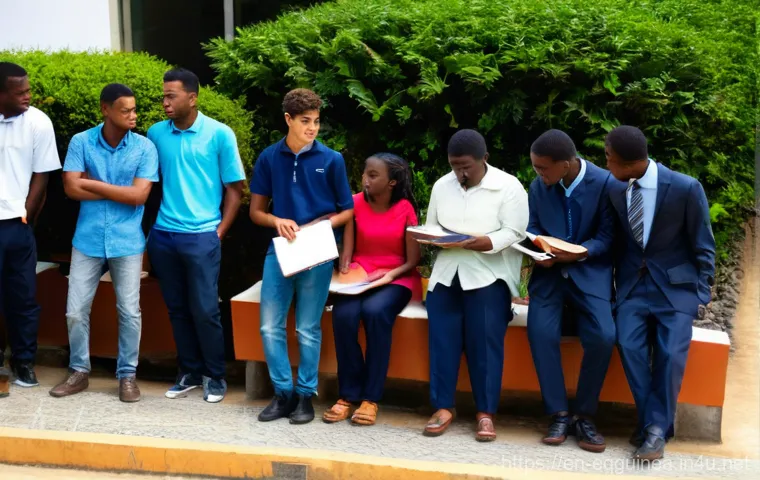
When you walk through a local market or tune into a radio station in Equatorial Guinea, you’ll quickly realize just how much Spanish permeates everyday interactions.
Vendors haggle in Spanish, friends chat and laugh in Spanish, and the news reports are broadcast in Spanish. It truly feels like the pulse of the nation beats to the rhythm of this Romance language.
Even social media, which often reflects a society’s most casual and common forms of communication, shows a strong preference for Spanish. This widespread usage makes it a practical lingua franca for people from different linguistic backgrounds to communicate effortlessly.
It streamlines everything from ordering food to discussing current events, creating a common ground that bridges diverse communities and fosters a sense of national unity through shared expression.
It’s honestly quite beautiful to witness how a language can connect people in so many small, yet significant, ways.
Beyond Colonial Echoes: The Resilient Indigenous Voices
While the European languages certainly hold official sway, let’s be real – the heart and soul of Equatorial Guinea truly beat in its indigenous tongues.
These aren’t just mere dialects; they are vibrant, living languages that carry the history, traditions, and cultural identity of distinct ethnic groups.
When I first learned about the sheer diversity, it really struck me how much effort goes into preserving these languages, often passed down orally through generations.
They are the bedrock of community life, heard in family gatherings, local storytelling, and traditional ceremonies. Fang, Bubi, Benga, Ndowe, Annobonese – each name represents a unique linguistic heritage that resists being overshadowed by the global giants.
I’ve always admired communities that fiercely guard their linguistic roots, especially in a world that often pressures them towards more globally dominant languages.
It’s a powerful testament to their resilience and cultural pride, a constant reminder that diversity is a strength, not a weakness.
Fang: The Widespread Whispers of the Mainland
Fang is undeniably the most prominent indigenous language in Equatorial Guinea, primarily spoken by the largest ethnic group, the Fang people, who predominantly inhabit the mainland region of Rio Muni.
This language isn’t just for casual conversation; it’s a profound repository of cultural narratives, ancestral wisdom, and intricate social structures.
It’s the language of folklore, of traditional music, and of the deep spiritual beliefs that define the Fang identity. I’ve heard that mastering Fang means not just learning words, but truly understanding a worldview, a way of life that has been passed down through countless generations.
For many, it’s their mother tongue, the language they dream in, the one that connects them most intimately to their heritage. While Spanish might be the language of officialdom, Fang remains the authentic voice of the people, expressing emotions and nuances that simply cannot be fully conveyed in a foreign tongue.
It’s an absolutely essential part of the cultural landscape.
Bubi: The Island’s Enduring Linguistic Legacy
Now, shifting our focus to Bioko Island, you’ll discover Bubi, another incredibly significant indigenous language. It’s spoken by the Bubi people, the island’s original inhabitants, and their language carries the weight of centuries of island history and unique cultural practices.
There’s something truly special about an island language, isolated yet incredibly rich, developing its own distinct characteristics. Bubi is more than just a means of communication; it’s a direct link to the island’s ancient past, its traditions, and its distinct identity.
Much like Fang on the mainland, Bubi embodies the heart of its community, used in everyday conversations, ceremonies, and storytelling that keeps the island’s unique history alive.
Despite the strong presence of Spanish, the Bubi people have steadfastly maintained their linguistic heritage, a testament to their deep connection to their ancestral lands and their determination to preserve their unique cultural legacy against all odds.
The French Connection: A Lingering Influence and a Look to the Future
It might surprise some people to learn that French holds official status in Equatorial Guinea, especially given the strong Spanish presence. But when you look at the country’s geographical position, nestled between Francophone nations like Gabon and Cameroon, it starts to make a lot of sense.
This strategic location has naturally led to a significant cultural and economic exchange, and with that comes the influence of the French language. While it might not be as widely spoken in daily interactions as Spanish, its official status is a nod to regional diplomacy and economic ties.
I often think about how language can be a bridge between nations, and in this part of Africa, French definitely plays that role. It’s particularly prevalent in government and business dealings with neighboring countries, serving as an important tool for regional integration and cooperation.
It’s like a quiet undercurrent, not always visible on the surface, but undeniably powerful in its reach and impact.
Regional Diplomacy and Economic Ties
French has become increasingly important for Equatorial Guinea in its engagement with other African nations, particularly within the CEMAC (Economic and Monetary Community of Central Africa) zone.
Since many of these neighboring countries are Francophone, French acts as a vital communication tool for diplomacy, trade, and regional initiatives. I’ve heard that officials often use French in international meetings and negotiations, showcasing its practical importance beyond just historical ties.
This linguistic connection facilitates smoother cross-border business transactions and strengthens political alliances, which are crucial for the country’s economic development and stability.
It’s a pragmatic choice to embrace French as an official language, acknowledging the geopolitical realities of its region and leveraging language as a key enabler for international relations and economic growth.
Educational Pathways and Lingual Aspirations
While Spanish remains the primary language of instruction, French is also taught in schools, offering students another significant linguistic advantage.
Learning French provides access to a vast body of literature, media, and academic resources from other Francophone countries and the wider world. This bilingual education can open up further opportunities for higher education abroad or careers in international organizations.
For young Equatorial Guineans, having proficiency in both Spanish and French can be a real asset, allowing them to navigate different cultural and professional landscapes with greater ease.
It reflects a forward-thinking approach to education, preparing citizens to engage with a broader international community and fostering a generation of truly global citizens.
Portuguese: The Quiet Contender in a Trilingual Landscape
Now, let’s talk about Portuguese. Its inclusion as an official language in 2007 often raises an eyebrow for those unfamiliar with the region, but it’s a strategic move with fascinating implications.
This decision was primarily driven by Equatorial Guinea’s desire to join the Community of Portuguese Language Countries (CPLP), a prestigious international organization that includes countries like Brazil, Angola, and Portugal itself.
While you won’t hear Portuguese echoing through the streets in the same way you do Spanish, its official status is a clear statement of intent: to strengthen diplomatic, cultural, and economic ties with Portuguese-speaking nations.
It’s like a long-term investment in language, a calculated step to diversify its international partnerships and broaden its cultural horizons. I find this incredibly intriguing – a nation deliberately embracing a language for future strategic advantages, even if its daily use is still quite limited.
Strategic Alliances and New Horizons
The decision to adopt Portuguese as an official language was largely motivated by geopolitical and economic considerations. By joining the CPLP, Equatorial Guinea gains access to a network of countries that share cultural and economic bonds, opening up new avenues for trade, investment, and cultural exchange.
This move positions the country to potentially attract more foreign direct investment from Brazil or Portugal, for instance, and participate in joint projects with Lusophone African nations.
It demonstrates a clear vision for expanding its global reach beyond traditional spheres of influence. It’s a fascinating example of how language policy can be a powerful tool for achieving broader national objectives, proving that a language doesn’t always need widespread daily use to hold significant official weight and strategic importance.
Cultural Exchange and Future Generations
While the presence of Portuguese speakers within Equatorial Guinea is currently small, its official recognition lays the groundwork for future cultural exchange programs and educational initiatives.
Over time, we might see an increase in Portuguese language learning, especially as the ties with CPLP member states deepen. This could lead to a richer cultural tapestry, exposing Equatorial Guineans to Lusophone literature, music, and traditions.
It’s a long game, of course, but it’s exciting to imagine the potential for new cultural fusions and a more diverse linguistic landscape down the road.
It also offers the younger generation an opportunity to learn a language that could open doors to new career paths and international experiences within the Portuguese-speaking world.
Navigating the Multilingual Maze: Daily Life and Identity
Imagine navigating your day in a country where you might switch between three official European languages and several vibrant indigenous tongues, sometimes within the same conversation!
That’s the reality for many Equatorial Guineans, and it’s truly a testament to their incredible linguistic adaptability. This multilingual environment isn’t just about practical communication; it deeply shapes individual and national identity.
People often code-switch effortlessly, blending languages depending on the context, the company, or even the emotional nuance they want to convey. It’s a linguistic dance, really, and it speaks volumes about the country’s rich cultural blend.
I’ve always been fascinated by how different languages can unlock different facets of one’s personality, and in Equatorial Guinea, this phenomenon is on full display, creating a dynamic and fluid sense of self that embraces multiple linguistic realities.
Code-Switching and Cultural Fluency
For many Equatorial Guineans, code-switching – the practice of alternating between two or more languages or dialects in conversation – is a natural and intuitive part of daily life.
It’s not just about filling a lexical gap; it’s a sophisticated social skill that demonstrates cultural fluency. For example, a person might speak Fang at home with their family, switch to Spanish for work or school, and then use some French in a formal meeting with a foreign delegation.
This ability to seamlessly move between languages reflects a deep understanding of social contexts and power dynamics. It’s also a way to express nuances that might be harder to convey in just one language, adding richness and depth to their communication.
This constant linguistic negotiation is a remarkable aspect of their cultural landscape and a skill that many monolinguals can only dream of possessing.
The Evolving Linguistic Identity
The interplay of these languages creates a constantly evolving linguistic identity for Equatorial Guinea. While Spanish provides a unifying national language and a link to its colonial past, indigenous languages anchor communities to their ancestral roots and unique cultural heritage.
French and Portuguese, on the other hand, offer pathways to regional integration and broader international engagement. This complex linguistic tapestry means that the national identity isn’t singular but rather a vibrant mosaic, reflecting the diverse influences that have shaped the nation.
It’s a fascinating case study in how language continues to evolve and adapt, shaping how people see themselves and their place in the world. It makes me wonder about the future and how these linguistic dynamics will continue to define the essence of Equatorial Guinea for generations to come.
Education and the Power of Polyglotism: Shaping the Next Generation
Education is truly the engine that drives language acquisition, and in Equatorial Guinea, the system is designed to foster a remarkable level of polyglotism.
From primary school onwards, students are immersed in an environment where multiple languages are either explicitly taught or implicitly present. This early exposure is absolutely crucial, building a strong foundation for children to become proficient in Spanish, and often French, alongside their mother tongues.
I’ve always believed that learning multiple languages from a young age has incredible cognitive benefits, and it’s clear that the educational approach here leverages that to its full potential.
It’s not just about rote memorization; it’s about creating citizens who can confidently navigate diverse linguistic landscapes, equipped with the tools to connect with people from various cultural backgrounds, both domestically and internationally.
Curriculum Design for Multilingual Learners
The national curriculum is carefully structured to ensure that students gain proficiency in official languages while also acknowledging the importance of indigenous tongues.
Spanish serves as the primary language of instruction for most subjects, ensuring a consistent academic foundation. However, French is typically introduced as a compulsory second language, often from middle school, providing another vital linguistic skill.
While indigenous languages are not always formally taught in the same structured way across the entire system, their presence in home environments and local communities means that children are often already bilingual or even trilingual before they even enter higher education.
This intentional approach to language education prepares students for a world that increasingly values diverse linguistic abilities, setting them up for success in a globalized economy.
Pathways to Global Opportunities
For Equatorial Guinean students, proficiency in multiple official languages opens up a world of opportunities. A strong command of Spanish allows them to pursue higher education in Spain or Latin American countries, while French proficiency can pave the way for studies in France, Canada, or various Francophone African nations.
This linguistic versatility significantly broadens their academic horizons and career prospects, giving them a competitive edge in international job markets.
It’s about empowering the youth to become truly global citizens, capable of engaging with different cultures and contributing on an international stage.
This educational strategy is not just about language learning; it’s a strategic investment in the human capital of the nation, ensuring that the next generation is well-prepared to tackle future challenges and seize new opportunities.
Economic Tapestry: How Language Weaves Through Trade and Opportunity
When we talk about the economy, we often focus on resources, infrastructure, and markets. But let’s not forget the silent, yet powerful, role that language plays in shaping trade and opportunity.
In Equatorial Guinea, the linguistic landscape directly influences its economic interactions, both internally and with the rest of the world. Spanish provides a common ground for internal commerce and administration, while French and Portuguese unlock doors to regional and international markets.
It’s like having multiple keys to different economic doors, each offering unique avenues for growth and partnership. I’ve always found it fascinating how language can be a hidden asset in global business, and in this context, it’s clear that Equatorial Guinea strategically leverages its linguistic diversity to its economic advantage, creating a more dynamic and interconnected commercial environment.
Facilitating Local and Regional Commerce
Within Equatorial Guinea, Spanish acts as the primary language of business and administration. From local shopkeepers negotiating prices to national companies handling contracts, Spanish streamlines transactions and ensures clear communication across diverse ethnic groups.
This uniformity is crucial for the efficient functioning of the domestic market. Regionally, the inclusion of French becomes incredibly important. Given that Equatorial Guinea is surrounded by Francophone countries, French proficiency is essential for cross-border trade, engaging with regional economic blocs like CEMAC, and fostering investment from neighboring states.
This linguistic adaptability allows local businesses to expand their reach and participate more effectively in regional supply chains, contributing to overall economic growth and stability.
It’s a practical demonstration of how linguistic foresight can directly translate into economic benefits.
International Investment and Global Partnerships
The country’s official multilingualism also serves as a strategic advantage in attracting international investment and forging global partnerships. Investors from Spanish-speaking countries naturally find it easier to operate in Equatorial Guinea due to the linguistic familiarity.
Simultaneously, the embrace of French and Portuguese broadens the appeal to investors from Francophone and Lusophone nations, respectively. This linguistic flexibility can significantly reduce communication barriers, making the country a more attractive destination for diverse international businesses.
It’s a powerful tool for diplomacy and trade, allowing Equatorial Guinea to engage with a wider array of global partners and diversify its economic relationships, fostering a more robust and resilient economy in the long run.
Here is a quick overview of the main languages in Equatorial Guinea:
| Language | Official Status | Primary Use/Significance | Approximate Speaker Base |
|---|---|---|---|
| Spanish | Official | Government, Education, Media, Everyday Life (most dominant) | ~70% of population (various levels of fluency) |
| French | Official | Regional Diplomacy, International Business, Education (secondary) | Significant for regional communication |
| Portuguese | Official | Strategic Alliances (CPLP), Future Economic & Cultural Ties | Small, growing number of learners |
| Fang | Indigenous | Most widely spoken indigenous language, cultural heartland of mainland | ~300,000 – 400,000 |
| Bubi | Indigenous | Key indigenous language of Bioko Island, historical significance | ~60,000 – 80,000 |
| Other Indigenous Languages (e.g., Benga, Ndowe, Annobonese) | Indigenous | Local community communication, cultural preservation | Smaller, distinct communities |
The Unsung Heroes: Preserving Indigenous Tongues in a Globalized World
In a world increasingly dominated by global languages, the efforts to preserve Equatorial Guinea’s indigenous tongues are nothing short of heroic. These languages, often passed down orally, are the living libraries of cultural knowledge, traditional wisdom, and unique perspectives.
They face constant pressure from the more dominant official languages, but the resilience of communities dedicated to keeping them alive is truly inspiring.
When I think about what gets lost when a language disappears – entire ways of thinking, unique stories, invaluable historical records – it really underscores the importance of these preservation efforts.
It’s not just about words; it’s about protecting entire cultural ecosystems, ensuring that the diverse voices of Equatorial Guinea continue to sing their unique songs for generations to come.
It’s a fight for cultural identity and an affirmation of the richness that diversity brings to humanity.
Community Efforts and Cultural Revival
Many indigenous communities in Equatorial Guinea are actively engaged in initiatives to promote and preserve their native languages. This often includes informal language classes for children, storytelling sessions that pass down traditional narratives, and the creation of local cultural events where the language is central.
These grassroots efforts are absolutely vital, serving as a powerful counter-force to the homogenizing effects of globalization. They not only teach the language but also instill a sense of pride and connection to ancestral heritage.
It’s a beautiful example of how communities take ownership of their cultural destiny, ensuring that their unique linguistic identity remains vibrant and continues to thrive even in a complex multilingual environment.
Balancing Modernity with Heritage
The challenge for Equatorial Guinea, like many multilingual nations, is finding the right balance between embracing modernity and preserving invaluable cultural heritage.
While proficiency in global languages is essential for economic progress and international engagement, neglecting indigenous languages would mean a profound loss of identity and historical connection.
The goal is not to choose one over the other but to create an environment where all languages can coexist and flourish. This means supporting indigenous language education, encouraging their use in various spheres of life, and fostering a national appreciation for the linguistic diversity that makes Equatorial Guinea so unique.
It’s a delicate dance, but one that is crucial for maintaining the rich tapestry of cultures that defines this remarkable nation.
Wrapping Up
Whew! What a linguistic journey we’ve been on through Equatorial Guinea! It’s truly incredible to see how a nation can embrace such a rich tapestry of languages – from the deep historical roots of Spanish to the strategic overtures to Portuguese, all while keeping the vibrant heart of its indigenous tongues beating strong. I’ve found that understanding a country’s languages is like peeking into its soul, revealing layers of history, culture, and aspirations. This unique blend makes Equatorial Guinea a truly fascinating place, where every conversation is a testament to its dynamic identity. It’s a powerful reminder that language is far more than just communication; it’s the very essence of who we are and where we’re headed.
Good-to-Know Information
1. If you’re planning a visit or thinking about business opportunities in Equatorial Guinea, Spanish will be your most reliable linguistic key for daily interactions and official matters. It’s definitely the go-to for pretty much everything.
2. While French might not be as widely spoken on the street, it’s super important for regional connections, especially if you’re dealing with neighboring countries or regional organizations like CEMAC. Don’t underestimate its value!
3. Portuguese is a newer official language, mainly for strategic ties and future growth with the CPLP. Don’t expect to hear it widely yet, but keep an eye on it for long-term opportunities and cultural exchange.
4. The indigenous languages, especially Fang on the mainland and Bubi on Bioko Island, are the cultural bedrock. Learning a few basic phrases in the local tongue will definitely earn you huge smiles and respect from the locals. It shows you care!
5. The multilingual environment means many Equatorial Guineans are incredible code-switchers, effortlessly blending languages. It’s a testament to their adaptability and rich cultural background, making communication a lively and dynamic experience.
Key Takeaways
Equatorial Guinea’s linguistic landscape is a vibrant, evolving mosaic, expertly balancing its colonial legacy with its rich indigenous heritage and forward-looking international ambitions. Spanish remains the dominant force, deeply embedded in everyday life and official structures, while French acts as a crucial bridge to regional partners. The strategic adoption of Portuguese signals new diplomatic and economic horizons, and critically, the nation’s indigenous languages continue to be the powerful, beating heart of its diverse cultural identity. It’s a fascinating example of how language isn’t just about words, but about national identity, resilience, and strategic positioning in an ever-connected world.
Frequently Asked Questions (FAQ) 📖
Q: Why does Equatorial Guinea have three official languages, and how did that come about?
A: Oh, this is such a fantastic question, and it really gets to the heart of what makes Equatorial Guinea so incredibly unique! You know, when I first learned about this, I was genuinely surprised because it’s such a rare linguistic tapestry, especially in Africa.
The simple answer is that this vibrant nation proudly recognizes Spanish, French, and Portuguese as its official languages. But the “why” behind it is a fascinating journey through history, politics, and a keen eye for international relations.
Spanish is, without a doubt, the undisputed champion in terms of daily usage. It’s truly the soul of the country’s official communication, spoken by a huge majority of the population, somewhere around 87%.
This makes perfect sense when you remember Equatorial Guinea was a Spanish colony until 1968. That colonial legacy deeply embedded Spanish into the government, education system, and media, shaping everything from classrooms to casual conversations on the streets of Malabo and Bata.
It’s what everyone uses to connect across different ethnic groups, acting as that crucial common thread. Now, French and Portuguese? Their stories are a bit more strategic, and honestly, pretty clever!
French came into the picture in 1988, later gaining full official status. Why? Well, Equatorial Guinea is literally surrounded by French-speaking neighbors like Cameroon and Gabon.
Embracing French was a brilliant move to strengthen economic and diplomatic ties, helping the country integrate into the Francophone community and open up new avenues for trade and cultural exchange.
It’s even a compulsory subject in schools now, though it’s often taught through Spanish, which is interesting to see how they blend! Then, in 2010, Portuguese joined the club!
This was another incredibly strategic decision, mainly aimed at joining the Community of Portuguese Language Countries (CPLP). By adding Portuguese, even if only a smaller percentage of the population speaks it natively, Equatorial Guinea expanded its international reach, connecting with other Lusophone nations like Angola and São Tomé and Príncipe.
So, while Spanish is the dominant everyday language, French and Portuguese are absolutely vital bridges to regional and global partnerships. It’s a testament to how language can be a powerful tool for national development and cultural connection!
Q: Spanish is official, but what about the local languages? Which ones are most common and how do they fit into daily life?
A: That’s where the true heart and soul of Equatorial Guinea really beat, if you ask me! While the European official languages handle the formal stuff, the indigenous languages are the vibrant pulse of community life and cultural identity.
Stepping into local villages or even certain neighborhoods in the big cities, you’ll immediately feel the presence of these incredible ancestral tongues.
It’s a rich linguistic tapestry that truly captures the country’s diverse heritage. The most widely spoken indigenous language, by far, is Fang. It’s spoken by the largest ethnic group in the country, the Fang people, who make up over 85% of the population, especially on the mainland.
For many, Fang isn’t just a language; it’s a living repository of history, traditional knowledge, folklore, and social customs. It’s the language of storytelling, of family gatherings, and of preserving centuries of oral tradition.
I’ve heard it said that Fang is the language of the home and community, fostering that deep sense of belonging. Then, there’s Bubi, which holds a special place on Bioko Island.
It’s spoken by the Bubi people, the island’s original inhabitants, and represents a unique cultural heritage that dates back thousands of years. It’s beautiful to see how a language can encapsulate an entire island’s history and identity.
Beyond Fang and Bubi, you’ll find a handful of other recognized regional languages, like Annobonese Creole (a fascinating blend with Portuguese influences, spoken on Annobón Island), Kombe, and Kwasio.
These languages are like hidden gems, each one a unique expression of its community’s culture and traditions. While these local languages are absolutely crucial for maintaining cultural continuity and day-to-day interactions within communities, they do face challenges.
The dominance of Spanish, French, and Portuguese in official settings, like education and government, means that indigenous languages aren’t typically used as the primary medium of instruction in public schools.
However, there are ongoing efforts by cultural associations and research groups to offer courses and raise awareness, ensuring these precious linguistic treasures continue to thrive and are passed down through generations.
It’s a dynamic interplay that really makes you appreciate the resilience of human culture!
Q: How do these official and indigenous languages coexist, and what’s it like for people learning and using them every day?
A: What an insightful question! It really zooms in on the lived experience in Equatorial Guinea, and honestly, it’s a complex and fascinating dance of languages.
Imagine navigating a country where your school lessons are in Spanish, your national news might be in Spanish, but your grandmother speaks Fang at home, and your neighbor, who just moved from Gabon, speaks French!
It’s a truly multilingual environment, and from what I’ve observed, people are incredibly adept at code-switching and adapting. Spanish definitely takes the lead in formal settings – you’ll hear it in government offices, on the radio, and it’s the main language of instruction in schools.
This means that many Equatoguineans grow up bilingual, learning Spanish in an academic setting while also speaking their indigenous language at home. For those living in urban centers like Malabo and Bata, Spanish is often the primary language for business and general communication, acting as that crucial lingua franca that bridges different ethnic communities.
French and Portuguese, while official, are less widely spoken in everyday life by the general population. They’re more often heard in specific contexts, like diplomatic circles, international trade, or among people who’ve moved from neighboring Francophone countries.
For many, learning French is a strategic skill, seen as a way to access regional opportunities, while Portuguese is more about connecting with the broader Lusophone world, rather than daily interaction.
It’s taught in schools, but perhaps not with the same intensity as Spanish. The coexistence can sometimes present challenges, especially for indigenous languages.
There’s a constant push and pull between the global reach of the European languages and the need to preserve local heritage. Kids might learn their ancestral language from their parents and elders, but their formal education primarily happens in Spanish.
This creates a fascinating linguistic landscape where individuals often become multilingual out of necessity and cultural pride. It means being able to switch seamlessly between a formal Spanish conversation and a heartfelt chat in Fang or Bubi with family.
It’s a powerful demonstration of how communities adapt and thrive, holding onto their cultural roots while embracing the broader world. It’s truly a lively, rich experience, and it makes you realize just how much language shapes not only how we communicate but who we are.