Traveling to a place as unique and vibrant as Equatorial Guinea definitely sparks an adventurous spirit, doesn’t it? I remember doing my initial research and feeling a mix of excitement and a tiny bit of apprehension – after all, it’s not your typical tourist hotspot, which is exactly why it’s so appealing!
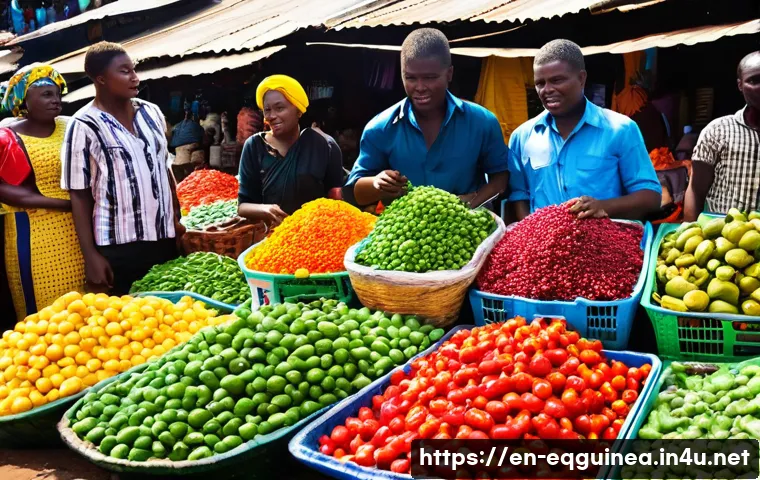
But with such an off-the-beaten-path destination, it’s absolutely crucial to be well-prepared and aware of the specific nuances that come with exploring this fascinating West African nation.
From navigating local customs to understanding safety protocols and health considerations, there’s a lot to keep in mind to ensure your trip is not just memorable, but also incredibly smooth and secure.
So, if you’re dreaming of those untouched beaches, lush rainforests, and vibrant cultures, let’s make sure you’re fully equipped with all the essential knowledge before you even pack your bags.
We’re going to dive deep into everything you need to know to travel smart and stay safe in Equatorial Guinea. Let’s make sure your adventure is everything you’ve ever hoped for!
Below, we’ll uncover all the crucial details you need to know.
Navigating the Visa Maze: Getting Your Foot in the Door
Venturing into a country like Equatorial Guinea, with its incredible mystique and less-trodden paths, truly feels like stepping into a travel secret, right? But before you can even dream of those vibrant markets or pristine beaches, there’s a vital first step: securing your visa. I remember the initial paperwork feeling a bit daunting, a labyrinth of forms and requirements that seemed designed to test my commitment! It’s not like simply booking a flight and showing up. This process demands patience and meticulous attention to detail. From my experience, starting this well in advance is non-negotiable. Don’t leave it to the last minute, because bureaucracy moves at its own rhythm, and that rhythm is often slow. You’ll need to gather specific documents, often including an invitation letter from a resident or an approved tour operator, which adds another layer to the planning. It truly feels like a treasure hunt for stamps and signatures, but every piece of that puzzle brings you closer to an unforgettable adventure. The sense of accomplishment when that visa finally lands in your passport is almost as exhilarating as arriving in Malabo itself!
Understanding the Visa Application Process
The visa application for Equatorial Guinea isn’t a one-size-fits-all situation, and honestly, it varies wildly depending on your nationality and where you’re applying from. My top tip? Always, always check with the Equatorial Guinean embassy or consulate in your home country first. Their websites, or a direct phone call, will provide the most up-to-date and accurate information. What I found was that while some basic requirements like a valid passport, passport-sized photos, and a completed application form are standard, the specifics around invitation letters, proof of accommodation, and even yellow fever vaccination certificates can differ. Some travelers might be able to get a visa on arrival if they have pre-approved authorization, but from what I’ve heard and personally advise, it’s far safer and less stressful to get everything sorted before you leave. The last thing you want is to arrive after a long flight only to face complications at immigration. Trust me, a little extra effort beforehand saves a world of trouble later.
Essential Documents You’ll Need
When I was piecing together my visa application, the sheer volume of documents felt a bit overwhelming, but once you break it down, it’s manageable. Beyond the obvious passport and photos, you’ll almost certainly need proof of onward or return travel – they want to know you’re not planning on staying forever! A confirmed hotel booking or a letter from a host detailing your accommodation plans is also usually required. And here’s a critical one: an invitation letter. This can be a tricky part because it really underpins the validity of your visit. If you’re traveling independently, you might need to arrange this through a local tour operator or a contact within the country. For business travelers, a letter from your sponsoring company is paramount. I also recommend having a copy of your full itinerary, travel insurance details, and proof of sufficient funds for your stay. Think of it as building a solid case for your visit; the more organized and complete your dossier, the smoother the process will be. Don’t forget that yellow fever vaccination certificate either – it’s often a mandatory entry requirement, and without it, you could face significant delays or even denial of entry.
Health & Wellness: Staying Strong in the Tropics
Exploring a destination as vibrant and untamed as Equatorial Guinea is an absolute thrill, but it also means being extra mindful of your health. When I travel to places with different climates and health risks, my first stop is always my doctor. It’s not just about getting jabs; it’s about having an informed conversation about potential risks and how to mitigate them. I remember feeling a surge of confidence knowing I had all my vaccinations up to date and a clear understanding of what to do if I felt unwell. The tropical environment, while beautiful, does come with its own set of challenges, from pesky insects carrying diseases to different hygiene standards. Being proactive is your best defense. It’s about empowering yourself with knowledge and preparedness, so you can truly enjoy every moment without unnecessary worry. Believe me, feeling healthy allows you to dive deeper into the culture and landscapes, making memories that aren’t overshadowed by a preventable illness. So, pack that mosquito repellent and those preventative medications, and you’re already halfway there!
Vaccinations and Pre-Travel Check-ups
Before even thinking about packing my bags, a visit to a travel health clinic or my family doctor is paramount. Equatorial Guinea, like many West African nations, requires a yellow fever vaccination certificate for entry, and you definitely don’t want to get caught without that. But it doesn’t stop there. I always ensure my routine vaccinations, like tetanus, diphtheria, measles, mumps, and rubella (MMR), are current. Beyond those, my doctor usually recommends typhoid, hepatitis A and B, and sometimes even rabies, depending on my planned activities. It might sound like a lot, but these are crucial safeguards. During this check-up, I also discuss any pre-existing conditions and ensure I have enough of my regular medications, along with a doctor’s note, just in case. They can also offer personalized advice on food and water safety, which is invaluable. Think of this pre-trip health consultation as building your body’s fortress against unfamiliar bugs – a solid defense means a much more enjoyable and worry-free adventure.
Malaria Prevention and Emergency Kits
Malaria is a real concern in Equatorial Guinea, and it’s something I take very seriously. While no preventative measure is 100% foolproof, a multi-pronged approach significantly reduces the risk. Personally, I always consult my doctor about the best antimalarial medication for the region and stick to the prescribed regimen religiously. But medication is just one piece of the puzzle. When I’m there, I become an expert at avoiding mosquito bites: long sleeves and trousers, especially at dawn and dusk, insect repellent with DEET, and always sleeping under a mosquito net if available. I even carry a small, portable net for extra peace of mind. Beyond malaria, having a comprehensive personal first-aid kit is a must. Mine typically includes rehydration salts, anti-diarrhea medication (just in case!), pain relievers, antiseptic wipes, bandages, and any specific prescription medications I need. It’s about being self-sufficient for minor ailments, so you don’t have to scramble for a pharmacy in an unfamiliar area. This little kit has saved me from discomfort on more than one occasion, allowing me to continue my adventures uninterrupted.
Cultural Immersion: Connecting with Local Life
One of the most profound joys of traveling to a place like Equatorial Guinea is the incredible opportunity for cultural immersion. It’s not just about seeing new sights; it’s about truly connecting with the heart and soul of the destination through its people. I remember the warmth and genuine curiosity in the eyes of locals I met, even when we didn’t share a common language. There’s a certain magic in breaking down those barriers, even if it’s just with a smile and a few simple phrases. Learning about their traditions, sharing a meal, or simply observing daily life unfold around you is an enriching experience that far surpasses any guidebook description. It truly deepens your understanding of the world and yourself. From my firsthand experience, making an effort to respect local customs, however different they may seem, opens doors to incredibly authentic interactions. It signals that you’re not just a tourist passing through, but someone genuinely interested in their way of life, and that makes all the difference in forming unforgettable bonds.
Understanding Local Customs and Etiquette
Equatorial Guinean society, like many in West Africa, is built on strong communal values and respect for elders and authority. From what I’ve observed, simple gestures of respect go a long way. For instance, when greeting someone, especially an elder, it’s common to use both hands for a handshake or a light touch, often accompanied by a respectful bow of the head. Dress modestly, particularly when visiting religious sites or more conservative areas; covering shoulders and knees is always a good idea. Public displays of affection are generally frowned upon, and personal space can be different from what you might be used to. I’ve found that patience is a virtue, especially in conversations or when conducting transactions. Rushing or showing frustration is rarely helpful and can be seen as disrespectful. Always ask permission before taking photos of people, especially children, and be prepared for them to say no – and respect that decision. These small efforts show you care, and that care is often reciprocated with immense kindness and hospitality.
Embracing the Local Language (Even a Few Words!)
While Spanish is the official language, and you’ll find it widely spoken, especially in urban areas, getting to grips with a few local phrases in Fang, Bubi, or Ndowe can truly transform your interactions. I’m certainly no linguist, but I’ve learned that even a simple “Hola” or “Gracias” in the local dialect can elicit a huge smile and a much warmer reception. It shows effort and respect for their culture. My personal strategy is to learn greetings, polite phrases like “please” and “thank you,” and how to ask for basic directions or prices. I usually jot them down in a small notebook and practice them whenever I get a chance. Don’t be afraid to make mistakes; locals generally appreciate the attempt. These linguistic bridges, however small, often lead to genuine conversations and memorable moments. I’ve found that a shared laugh over my mispronunciations has often been the starting point for some of my most cherished travel encounters, making the entire experience feel much more personal and enriching.
Safety First: Protecting Yourself and Your Belongings
When you’re adventuring in a place as unique as Equatorial Guinea, keeping safety front and center is incredibly important. It’s not about being paranoid, but about being aware and prepared, which is a mindset I always adopt. From my personal experience, a little bit of vigilance goes a very long way in ensuring a smooth and enjoyable trip. While the warmth of the people and the beauty of the landscape are undeniable, no place is entirely free of risks, and understanding these can help you avoid potential pitfalls. I’ve learned that blending in as much as possible, avoiding flashy displays of wealth, and being mindful of my surroundings, especially after dark, are simple yet highly effective strategies. It’s all about making smart choices that protect both you and your belongings, allowing you to fully immerse yourself in the experience without constant worry. Your peace of mind is truly priceless, so let’s chat about how to keep it intact.
Staying Aware in Urban Areas
Cities like Malabo and Bata, while bustling and fascinating, require a heightened sense of awareness, just like any major city around the world. I’ve always made it a point to keep my valuables out of sight, never flashing cash or expensive electronics. Pickpocketing and petty theft can occur, so I prefer to carry a secure, cross-body bag and keep my wallet in a front pocket. When taking taxis, I try to use reputable services or ask my hotel for recommendations, and I always negotiate the fare before getting in – this avoids any surprises later. Walking alone at night, especially in dimly lit or unfamiliar areas, is something I generally avoid. If I need to go out, I opt for a trusted taxi service. It’s also wise to be cautious about accepting drinks or food from strangers, as unfortunate incidents can sometimes happen. Trust your gut feeling; if a situation feels off, it probably is. Removing yourself from uncomfortable situations quickly and politely is always the best course of action.
Emergency Preparedness
Even the most meticulously planned trips can have unexpected twists, and being prepared for emergencies is a non-negotiable part of my travel routine. Before I even leave, I make sure to have all essential contacts stored in my phone, including the local emergency numbers (police, fire, ambulance), my embassy or consulate information, and my travel insurance provider. I also make photocopies of my passport, visa, and other important documents, keeping them separate from the originals and storing digital copies on a secure cloud service. Learning a few basic emergency phrases in Spanish, such as “Help!” or “I need a doctor,” can also be incredibly useful. From my experience, knowing who to call and having access to your crucial information can make a world of difference in a stressful situation. It’s about creating a safety net for yourself, so that if things go sideways, you have a clear plan of action and don’t feel completely adrift. Always share your itinerary with someone back home too, just for that added layer of security.
Money Matters: Cash, Cards, and Cautious Spending
Navigating the financial landscape in a new country can sometimes feel like a puzzle, and Equatorial Guinea definitely has its own unique pieces. My biggest takeaway from managing money here is that preparedness is key, and relying solely on cards might leave you in a bind. I’ve always found that a healthy mix of local currency and a bit of flexibility with payment methods makes for a much smoother travel experience. It’s not just about having enough cash; it’s about understanding the local economy, where cards are accepted, and how to safely access your funds without attracting unwanted attention. I’ve certainly learned a few lessons along the way about the importance of being cash-ready, especially when you’re exploring smaller towns or local markets where electronic payments are simply not an option. Trust me, you don’t want to miss out on a unique souvenir or a delicious street food snack because you only brought plastic. Let’s dive into how to manage your moolah smartly!
Understanding the Central African CFA Franc
The official currency in Equatorial Guinea is the Central African CFA Franc (XAF), which is also used by several other countries in the region. It’s pegged to the Euro, which can provide a sense of stability for those familiar with the Euro, but it also means that fluctuations in the Euro can indirectly affect its value. When I travel, I always try to get a small amount of local currency before I even arrive, just enough for immediate needs like a taxi from the airport or a quick meal. This saves me from the stress of finding an ATM right after a long flight. It’s important to remember that outside of official banks, exchange rates can vary widely, and you should always be wary of unofficial money changers. I’ve found that having a good grasp of the current exchange rate helps me quickly calculate costs and avoid being overcharged. Think of it as knowing your local coffee shop prices; it helps you gauge fairness.
Banking and ATM Access
While larger cities like Malabo and Bata do have banks and ATMs, relying solely on them can be risky. From my experience, ATMs can sometimes be out of service, run out of cash, or not accept certain international cards. This is why I always advocate for carrying a good amount of cash, exchanged from a reliable source. When I do use ATMs, I try to stick to those located inside bank branches during operating hours, just in case there’s an issue and I need assistance. Also, inform your bank before you travel to avoid any security holds on your card. Visa and MasterCard are generally more widely accepted than American Express. For larger purchases, some hotels and restaurants in the main cities might accept card payments, but always confirm beforehand. I also usually carry two different bank cards from different banks, keeping them separate, as a backup in case one gets lost, stolen, or doesn’t work. Diversity in your payment methods is your financial safety net in this part of the world.
| Common Travel Expense | Estimated Cost (XAF) | Notes |
|---|---|---|
| Mid-range Hotel (per night) | 50,000 – 150,000 | Can vary greatly by city and amenities. |
| Local Meal (Restaurant) | 5,000 – 15,000 | Simple street food is much cheaper. |
| Bottled Water (1.5L) | 500 – 1,000 | Always drink bottled or filtered water. |
| Taxi Ride (within city) | 1,000 – 5,000 | Negotiate fare beforehand. |
| Domestic Flight (Malabo-Bata) | 25,000 – 60,000 | Prices fluctuate, book in advance. |
Getting Around: Exploring Equatorial Guinea’s Landscapes
The sheer joy of exploring Equatorial Guinea lies in its diverse landscapes, from the bustling island of Bioko to the lush mainland. But getting from point A to point B often requires a bit of an adventurous spirit and a good understanding of local transportation. I remember my first time navigating the shared taxis; it was an experience in itself, a vibrant mix of people, music, and often, a surprising number of packages! It’s definitely not like hopping on a subway in a major Western city, but that’s part of its charm. You learn to embrace the journey as much as the destination. From my perspective, understanding the nuances of local transport is crucial for both efficiency and safety. It allows you to immerse yourself more deeply in the local rhythm of life and discover hidden gems you might otherwise miss. So, buckle up (metaphorically, sometimes literally!) because we’re going to talk about how to navigate this incredible country like a seasoned local.
Navigating Public and Private Transport
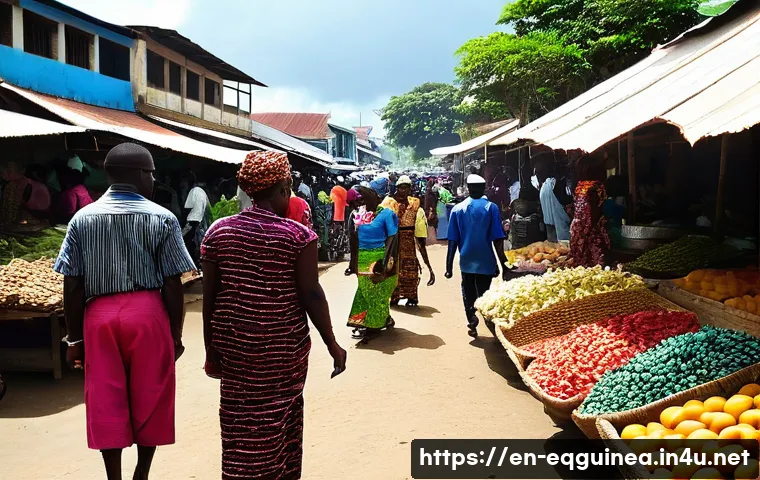
In the main cities, taxis are plentiful, and they are often the most convenient way to get around. However, it’s vital to negotiate the fare before you start your journey – I cannot stress this enough! Without a pre-agreed price, you might find yourself in an awkward situation at your destination. Shared taxis, often called “bush taxis” or “sept-places,” are a common way to travel between towns and cities. These are usually older vehicles packed with passengers and sometimes even goods, making for a truly authentic (and sometimes cramped!) experience. While they are significantly cheaper, they also take longer and depart only when full. For private transport, some hotels can arrange car hires with drivers, which offers more comfort and flexibility, albeit at a higher cost. I always make sure the vehicle looks roadworthy and the driver seems responsible before getting in, trusting my gut instincts. Remember, the road conditions can vary dramatically, especially outside of major arteries, so patience is a virtue.
Domestic Travel: Flights and Ferries
Given that Equatorial Guinea comprises both an island (Bioko, home to Malabo) and a mainland (Río Muni, home to Bata), domestic flights are a common and often necessary mode of transport for travelers. CEIBA Intercontinental and Cronos Airlines are the main carriers operating these routes. I’ve found that booking these flights in advance is always a good idea, as schedules can be somewhat fluid and seats fill up quickly. The flights are relatively short, offering fantastic aerial views of the coastline and rainforests. For those looking for a different kind of journey, ferries operate between Malabo and Bata, though these can be less reliable in terms of schedule and comfort. The ferry journey is significantly longer but offers a unique perspective on the country’s maritime connections. Whichever mode you choose, ensure you have your identification readily available, as security checks are standard. I personally prefer flying for inter-region travel due to time constraints and generally better reliability, but the ferry can be a fascinating experience if you have the time and flexibility.
What to Pack: Essentials for a Tropical Adventure
Packing for a trip to Equatorial Guinea is a bit different from your usual vacation packing list. This isn’t a place where you can just grab a couple of swimsuits and a sundress! I remember meticulously planning my packing, knowing that I needed to be prepared for everything from humid city streets to potential rainforest treks, all while respecting local customs. It’s about being practical, versatile, and light, without sacrificing any essentials. The tropical climate means lightweight, breathable fabrics are your best friends, but you also need to think about protection from the sun, insects, and occasional rain showers. From my personal experience, a well-thought-out packing list can dramatically improve your comfort and overall enjoyment of the trip, saving you from frantic searches for items that simply aren’t available locally. So, let’s talk about those must-have items that will make your Equatorial Guinean adventure not just memorable, but also incredibly comfortable and stress-free.
Clothing Choices for Comfort and Culture
Given the warm, humid climate, lightweight and breathable clothing is absolutely essential. I always pack fabrics like cotton or linen that dry quickly. However, it’s not just about comfort; it’s also about cultural respect. In Equatorial Guinea, modest dress is generally appreciated, especially outside of tourist-heavy areas. For women, this means avoiding overly revealing clothing; long skirts, trousers, and shirts that cover the shoulders are ideal. For men, light trousers or long shorts and collared shirts are appropriate. I also make sure to pack at least one long-sleeved shirt and long trousers, not just for cultural reasons, but also for protection against mosquitoes, especially in the evenings. A light rain jacket or poncho is also a smart addition, as tropical downpours can happen unexpectedly. Think layers, and opt for colors that don’t show dirt easily, as you’ll likely encounter dusty roads or humid environments.
Gadgets, Gear, and Personal Necessities
Beyond clothing, there are a few key items that I consider non-negotiable for a trip to Equatorial Guinea. First up: a universal travel adapter. The country uses Type C and Type E electrical outlets, so make sure you can charge all your devices. A portable power bank is also a lifesaver, especially if you’re venturing to areas with unreliable electricity. Don’t forget a good quality insect repellent with a high percentage of DEET, as mosquito-borne illnesses are a concern. Sunscreen, a wide-brimmed hat, and sunglasses are crucial for sun protection. I also always pack a small, lightweight daypack for excursions, along with a reusable water bottle to stay hydrated and reduce plastic waste. A headlamp or small flashlight can be incredibly useful during power outages or for navigating in dimly lit areas. And for those photo opportunities, ensure you have plenty of memory cards and a secure way to back up your precious travel photos. Personal hygiene items, including hand sanitizer, are also a must, as facilities might not always be up to your usual standards.
Savoring the Flavors: A Culinary Journey
One of my absolute favorite ways to truly experience a new culture is through its food, and Equatorial Guinea offers a fascinating culinary journey that blends West African traditions with Spanish influences. I remember the incredible aromas wafting from local kitchens and street stalls, each promising a unique taste adventure. It’s not just about filling your stomach; it’s about connecting with the local ingredients, the cooking methods passed down through generations, and the communal joy of sharing a meal. From my personal experience, being open to trying new dishes, even if they look a little unfamiliar, is key to unlocking a deeper understanding of the local culture. Some of my most cherished travel memories involve sitting down with locals, sharing stories over a plate of steaming rice and stew, or a freshly grilled fish. Trust me, your taste buds are in for a treat, and embracing the local flavors will be a highlight of your trip!
Must-Try Local Dishes
Equatorial Guinean cuisine is a delightful mix, heavily featuring rice, plantains, root vegetables like yams and cassava, and an abundance of fresh seafood, especially on the coast. One dish you absolutely must try is ‘caldo de pescado’ or ‘caldo de maní,’ a rich fish or peanut soup that is incredibly flavorful and comforting. I particularly loved the ‘pepe-soup,’ a spicy broth often made with goat or chicken, which really packs a punch. Another staple is ‘fufu,’ a dough-like accompaniment made from pounded cassava or yam, perfect for scooping up stews. And, of course, with such a long coastline, fresh grilled fish, often served with plantains and a spicy sauce, is an absolute delight. Don’t shy away from street food vendors; I’ve found some of the most authentic and delicious bites from these passionate cooks. Just make sure to choose vendors who appear clean and are cooking food fresh in front of you to minimize any health risks. Your palate will thank you for being adventurous!
Beverages and Dining Etiquette
When it comes to beverages, freshly squeezed fruit juices are incredibly refreshing in the tropical heat. You’ll find a variety of tropical fruits, so don’t hesitate to try a mango, papaya, or pineapple juice. Locally brewed palm wine is also popular, offering a unique taste experience – just be mindful of its potency! For those who prefer non-alcoholic options, always stick to bottled water to avoid any stomach issues. As for dining etiquette, meals are often a communal affair. It’s common to eat with your right hand, especially when sharing from a communal dish, so a quick hand wash before and after the meal is essential. I’ve found that showing appreciation for the food and the hospitality goes a long way. If you’re invited to someone’s home for a meal, it’s considered polite to bring a small gift, like some fruit or a sweet treat. These small gestures show respect and can lead to even deeper, more meaningful interactions, turning a simple meal into a lasting memory of warmth and connection.
글을 마치며
As we wrap up this deep dive into Equatorial Guinea, I truly hope that sharing my personal journey and the practical wisdom I’ve gathered has illuminated your path and sparked even more excitement for your own adventure. Venturing into a destination as unique as this isn’t just a trip; it’s an immersive experience that challenges you, enriches you, and ultimately, changes you. From meticulously navigating the visa process to savoring every local flavor, each step has been a lesson in patience, adaptability, and pure joy. I remember feeling a mix of apprehension and exhilaration when I first embarked, but every single hurdle overcome only added to the profound sense of accomplishment. It’s about more than just seeing new places; it’s about connecting with a culture, understanding a different way of life, and discovering resilience within yourself. So, take all this advice, blend it with your own adventurous spirit, and get ready to craft your unforgettable story in Equatorial Guinea. The experiences waiting for you are truly once-in-a-lifetime, and I can’t wait for you to discover them.
알아두면 쓸모 있는 정보
Here are a few extra nuggets of wisdom that I’ve found incredibly useful and wished I knew earlier, designed to make your Equatorial Guinean adventure even smoother:
1. Local SIM Cards are a Game Changer: While Wi-Fi might be available in some hotels, it can often be slow and unreliable. Grabbing a local SIM card upon arrival is probably one of the best investments you can make. It allows you to stay connected, use navigation apps, and communicate with locals or your travel companions effortlessly. I personally found that having constant access to data made a huge difference, especially when trying to confirm taxi routes or look up opening hours for local attractions. It truly enhances both your safety and your ability to explore spontaneously, making you feel much more connected to the local pulse without breaking the bank. Always make sure your phone is unlocked before you travel!
2. Be Mindful of Photography: While the landscapes and street scenes are incredibly picturesque, always exercise caution and seek permission before taking photos, especially of people or government buildings. Some areas might be sensitive, and asking first is a sign of respect that can prevent misunderstandings. I learned early on that a polite gesture or a simple “permiso para foto?” goes a long way. This isn’t just about avoiding trouble; it’s about engaging with people respectfully and understanding their comfort levels, which ultimately makes for more genuine interactions and better memories than a rushed, unapproved snap.
3. Learn Basic Spanish Phrases: Although several indigenous languages are spoken, Spanish is the official language and widely understood, especially in urban areas and for official interactions. Even if you’re not fluent, learning a few basic phrases like greetings, “please,” “thank you,” and numbers can profoundly improve your interactions. From my own journey, I found that even my clumsy attempts at Spanish were met with warmth and appreciation, often opening doors to friendlier service or more engaging conversations. It’s a small effort with a massive payoff in enriching your cultural immersion and showing genuine interest.
4. Flexibility is Your Best Travel Companion: Things might not always go according to plan in Equatorial Guinea. Transportation can be delayed, schedules can shift, and facilities might not always meet Western standards. My biggest piece of advice is to cultivate a flexible mindset. Instead of getting frustrated, try to embrace the unexpected as part of the adventure. I’ve found that some of my most memorable experiences came from moments when my original plans went awry, leading me to discover something even more interesting. Patience and a good sense of humor will serve you incredibly well here, turning potential annoyances into unique travel stories.
5. Stay Informed on Local News & Regulations: Before and during your trip, it’s always a smart move to keep an eye on local news and any travel advisories from your home country’s embassy. Political situations can sometimes be sensitive, and being aware of current events can help you navigate more safely and respectfully. This isn’t about fear; it’s about informed decision-making. Knowing if there are any local holidays, events, or even temporary regulations can prevent inconvenience and ensure you’re always acting responsibly within the local context. I regularly checked reputable news sources and my embassy’s website for updates, just to be on the safe side.
중요 사항 정리
To ensure your journey to Equatorial Guinea is as rewarding and hassle-free as mine was, let’s quickly recap the absolute must-knows. First and foremost, meticulous preparation for your visa is non-negotiable; start early and gather every document with precision. When it comes to your health, prioritize those vaccinations, especially yellow fever, and pack a robust emergency kit, including antimalarials, as prevention is truly your best defense in the tropics. Culturally, embracing modesty, attempting a few Spanish phrases, and always showing respect for local customs will open doors to incredible, authentic interactions. Financially, remember that cash is king, especially outside of major cities, so diversify your payment methods and always have local currency on hand. Lastly, for safety and smooth navigation, maintain situational awareness in urban areas, negotiate taxi fares beforehand, and always carry copies of your important documents. By keeping these core principles in mind, you’re not just planning a trip; you’re setting the stage for an unforgettable, deeply enriching adventure.
Frequently Asked Questions (FAQ) 📖
Q: What are the absolute must-knows for visa and health requirements before I even think about packing my bags for Equatorial Guinea?
A: Oh, this is such a crucial starting point for any adventure, especially one to a place as unique as Equatorial Guinea! From my experience, getting these ducks in a row early makes all the difference for a stress-free trip.
First things first, the visa situation: As of July 2023, nearly everyone needs an e-visa to enter, and trust me, you’ll want to sort this out well in advance.
It costs around $75 USD, and you apply online. Make sure you’re planning to arrive at Malabo International Airport, as that’s generally where e-visa holders are expected to land.
You’ll need a valid passport with at least six months of validity remaining from your entry date, a recent passport-style photo, proof of accommodation, travel insurance (seriously, don’t skip this!), a copy of your return flight ticket, and, crucially, your yellow fever vaccination certificate.
They’re pretty strict about the yellow fever vaccine, requiring proof that you got it at least 10 days before you arrive. I’ve heard stories of people being vaccinated right at the airport or even denied entry, and nobody wants that kind of surprise!
Now, let’s talk health. Beyond yellow fever, you’re going into a region where some extra precautions are just smart. Malaria is a high risk throughout the year, so please, please talk to your doctor about antimalarials.
From my own travels, I’ve learned that being proactive with your health means you can truly enjoy every moment. Your doctor might also recommend vaccinations for Hepatitis A, Typhoid, Polio, Rabies, Hepatitis B, and Meningitis.
It’s also super important to remember that medical services in Equatorial Guinea can be limited. That’s why having comprehensive travel insurance, one that includes emergency medical evacuation, isn’t just a suggestion—it’s a non-negotiable in my book.
And while you’re there, stick to bottled water for drinking and brushing your teeth, and be mindful of what you eat, especially street food, to avoid any unwelcome tummy troubles.
Trust me, a little preparation here goes a long, long way in keeping your adventure epic and not awful!
Q: How can I stay safe and navigate the local culture respectfully once I’m actually in Equatorial Guinea?
A: This is where the real adventure begins, isn’t it? Diving into a new culture is exhilarating, but knowing how to move safely and respectfully is key. From my own travels to less-trodden paths, I’ve found that a bit of street smarts and a lot of cultural sensitivity are your best friends.
Firstly, on the safety front: while violent crime isn’t widespread, petty theft is quite common, especially if you look like an obvious tourist. My personal rule of thumb is to avoid flashy jewelry or expensive gadgets, especially in public.
Keep your valuable items out of sight and stay aware of your surroundings, particularly when you’re out at night in cities like Malabo and Bata. You’ll likely encounter police and military checkpoints, which can feel a bit intimidating at first.
The best approach is to be polite, patient, and always have your passport and visa handy. While rare, there have been instances where officials might solicit bribes.
If this happens, a good strategy is to politely ask for an official ticket detailing the alleged offense, which can then be paid at a local court. This often deters further issues.
When it comes to getting around, especially with taxis, I’d strongly suggest asking your hotel to arrange one for you or opting for pre-booked services.
Avoid getting into unmarked taxis or sharing with strangers, particularly after dark. Now for the fascinating part—the culture! Equatorial Guinea is a beautiful blend of Spanish influence and ancient indigenous traditions, particularly from the Fang and Bubi peoples.
Respect for elders and hierarchy is deeply ingrained, so you’ll want to show deference and use formal greetings, often starting with a handshake. Patience is a huge virtue here; things might move at a slower pace than you’re used to, and rushing can be seen as impolite.
Take the time to build a bit of rapport, maybe with some light conversation before diving into your questions or intentions. Even if you don’t speak Spanish, a few polite phrases go a long way.
Personally, I found that showing genuine interest in their traditions and way of life truly opened doors and led to some of my most memorable interactions.
Remember, you’re a guest in their home, and a little respect and understanding will make your journey so much richer.
Q: What’s the deal with money and getting around? Is it easy to pay with cards, and how should I plan my local transportation?
A: Ah, the practicalities that can really make or break your daily adventures! When it comes to money in Equatorial Guinea, you absolutely need to prepare for a cash-heavy economy.
The local currency is the Central African CFA franc (XAF), which is helpfully pegged to the Euro. Personally, I always make sure I have a good stack of local currency on hand.
While major hotels and airlines might accept credit cards (mostly Visa and Mastercard), you’ll find that most local businesses, markets, and smaller restaurants operate strictly on cash.
Don’t rely heavily on ATMs! While they do exist in the main cities like Malabo and Bata, they can be unreliable or sometimes just out of cash. And outside of these urban centers, finding an ATM is like finding a needle in a haystack.
So, my insider tip? Exchange a good amount of your currency (Euros are often easily exchanged) at reputable banks or authorized bureaus when you arrive.
Avoid street exchanges to protect yourself from scams or counterfeit money. Also, carrying a small amount of USD or Euros might be useful for larger purchases or if you hire private guides, as some may accept these.
Now, for getting around, it’s an adventure in itself! Roads in the cities and between major towns are generally quite good, but once you venture into rural areas, they can become less predictable.
The most efficient way to travel between Bioko Island (where Malabo is) and the mainland (Bata) is definitely by domestic flight – there are local airlines that offer this service.
For shorter distances, particularly within cities, shared taxis (often called “bush taxis”) are common. They follow fixed routes and are pretty affordable.
However, based on my experiences, and echoing safety advice, I’d recommend using pre-booked taxis or asking your hotel to arrange one, especially at night.
If you’re feeling extra adventurous and want to drive yourself, car rentals are available, but they can be pricey. Plus, you’ll encounter frequent police and military roadblocks, where you’ll need to show your documents, and honestly, having a local driver who knows the ropes can make things much smoother.
There are no trains, but a ferry service does connect Malabo and Bata, though it’s a longer journey. My best advice here is to embrace the local transport options with an open mind, but always prioritize your safety by opting for known, reliable services whenever possible.