Equatorial Guinea’s Flavorful Secrets A Culinary Journey You Must Explore

webmaster

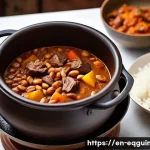
적도 기니의 미식 요리 - **Prompt:** A warm and inviting scene in an Equatorial Guinean kitchen. In the center, a large, rust...

Have you ever found yourself yearning for a culinary adventure that takes you far off the beaten path? I know I have! There’s something truly magical about discovering flavors that tell a story, flavors that are a vibrant tapestry of history and culture.

적도 기니의 미식 요리 관련 이미지 1

Lately, I’ve been absolutely fascinated by the unique and often overlooked gastronomic landscape of Equatorial Guinea. Trust me, if you think you’ve tasted it all, this West African gem is about to surprise you in the best way possible.

From rich stews infused with exotic spices to fresh seafood dishes that sing with the flavors of the Atlantic, it’s an experience for all the senses. I remember my own journey into these incredible tastes, and honestly, each dish felt like a warm embrace from a culture brimming with warmth and tradition.

It’s not just food; it’s an invitation to explore a new world, a testament to the power of food to connect us all. Let’s uncover the delicious secrets of Equatorial Guinean cuisine together.

We’re about to explore this culinary journey in detail!

The Soulful Stews of Equatorial Guinea

Oh, where do I even begin with the stews? Honestly, if there’s one thing that truly captures the heart and soul of Equatorial Guinean cooking, it has to be their incredibly rich and diverse array of stews. I remember my first encounter with a traditional groundnut stew, or Pepesup, and it was an absolute revelation. The nutty aroma alone was enough to make my mouth water, and the first spoonful? Pure comfort. It’s a dish that truly tells a story with every bite – a story of slow cooking, of carefully balanced spices, and of ingredients that sing together in perfect harmony. You’ll often find it bubbling away gently for hours, allowing all those beautiful flavors to meld into something truly magical. The secret, I’ve found, lies in the quality of the ingredients and the patience in its preparation. Whether it’s beef, chicken, or even a mix of fresh vegetables, the groundnut base gives it an unparalleled creaminess and depth that’s simply addictive. It’s not just food; it’s a culinary hug, a dish that feels like it’s been passed down through generations, each adding a touch of their own love. The kind of meal that makes you want to sit around a table for hours, sharing stories and laughter. It’s truly an experience, not just a meal.

Hearty Groundnut Delights

The groundnut stew, a staple across much of West Africa, finds a particularly delicious expression in Equatorial Guinea. My personal take? Don’t skimp on the roasting of the peanuts; that deep, earthy flavor is the cornerstone. I’ve seen variations using everything from smoky dried fish to tender chunks of goat meat, each adding its own layer of complexity. The key is often a sofrito-like base of onions, garlic, and peppers, slowly sautéed to bring out their sweetness, then blended with the groundnuts and a touch of tomato paste. The result is a thick, unctuous sauce that clings beautifully to whatever protein or vegetable you choose to include. And trust me, having it with a side of fluffy white rice or pounded yam is simply divine. It’s the kind of dish that makes you feel instantly at home, no matter how far you are from your own.

Ocean’s Bounty in a Bowl

Beyond the groundnut, the proximity to the Atlantic Ocean means that seafood stews are an absolute must-try. I vividly recall a vibrant Sopa de Pescado – a fish soup that was teeming with fresh catches of the day, simmered in a light yet incredibly flavorful broth. Imagine succulent pieces of snapper or barracuda, mingling with sweet bell peppers, onions, and a delicate hint of local herbs. It’s lighter than its groundnut counterpart, but no less satisfying, offering a taste of the island’s abundant marine life. The freshness of the fish truly shines through, often complemented by a squeeze of lime at the end to brighten everything up. It’s the perfect antidote to a hot day, or a comforting embrace when the evening breeze rolls in. Seriously, it’s a testament to how incredible fresh ingredients can elevate a simple dish to something extraordinary.

Tropical Roots and Their Riches

If you’re anything like me, you probably think of potatoes as the go-to starch. But in Equatorial Guinea, you’re about to broaden your horizons in the most delicious way! The cuisine here truly celebrates the humble root vegetable, transforming cassava, plantains, and yams into incredibly versatile and satisfying accompaniments. I’ve always been fascinated by how different cultures utilize their local produce, and seeing these staples prepared in so many ways was truly eye-opening. They’re not just fillers; they’re integral components of every meal, soaking up the rich flavors of stews and sauces, and providing that wonderfully comforting base. From starchy, savory sides to surprisingly sweet desserts, these roots are the unsung heroes of the Equatorial Guinean table. They offer a density and nutritional punch that just leaves you feeling truly nourished and satisfied, a feeling I absolutely cherish after a long day of exploring.

Plantains: The Versatile Star

Oh, the plantain! This isn’t just a banana; it’s a culinary chameleon. I’ve had them fried, boiled, mashed, and even baked, and each preparation offers a completely different experience. When they’re green and firm, they’re often boiled and served alongside stews, offering a subtle, earthy flavor and a starchy texture that’s perfect for scooping up sauces. But let them ripen to a beautiful yellow, and they transform into something wonderfully sweet when fried. The caramelization gives them a slightly crispy exterior and a soft, almost dessert-like interior. I remember a small street vendor who served perfectly fried ripe plantains dusted with a hint of cinnamon – an unexpected treat that left a lasting impression. It’s a reminder that sometimes the simplest ingredients, prepared with care, can yield the most delightful results.

Cassava and Yam: Earth’s Hearty Gifts

Cassava, also known as yuca, is another cornerstone of the diet. It’s incredibly resilient and provides a substantial source of energy. I’ve enjoyed it boiled and mashed into a smooth, slightly sticky paste, similar to fufu, which is ideal for pairing with those robust stews. It has a mild flavor that acts as a perfect canvas for stronger spices. Yams, too, play a significant role, often boiled and served in thick, comforting slices. There’s a particular satisfaction in biting into a perfectly cooked piece of yam, feeling its starchy goodness fill you up. These root vegetables are more than just food; they are a connection to the land, embodying the resilience and resourcefulness of the people. It’s genuinely inspiring to see how much flavor and sustenance can be coaxed from these earthy treasures.

Advertisement

The Atlantic’s Embrace: Seafood Sensations

Given its coastal location and numerous islands, it’s no surprise that seafood plays a starring role in Equatorial Guinean cuisine. And let me tell you, if you’re a seafood lover like I am, you’re in for an absolute treat! The freshness is unparalleled, with daily catches often making their way directly from the ocean to your plate. I’ve always had a soft spot for perfectly grilled fish, and here, they truly master the art. Imagine sitting by the shore, the gentle breeze carrying the scent of woodsmoke, and a perfectly charred fish, seasoned simply but exquisitely, arriving before you. It’s an experience that connects you directly to the environment and the abundant natural resources of this incredible country. The flavors are clean, vibrant, and speak for themselves, needing little embellishment.

Grilled Fish: A Coastal Classic

When it comes to seafood, the grilled fish is an absolute must-try. I’ve had some of the most memorable grilled fish here, often a whole snapper or barracuda, expertly seasoned with a blend of local herbs, garlic, and a touch of chili. It’s usually grilled over an open flame or charcoal, giving it that wonderfully smoky char on the outside while keeping the flesh incredibly moist and flaky within. Often served simply with a wedge of lime and perhaps some fresh salad or boiled plantains, it’s a testament to the idea that sometimes, less is truly more. The simple preparation allows the natural sweetness and texture of the fresh fish to truly shine. Every bite is like a little piece of the ocean, brought perfectly to your plate.

Exotic Seafood Varieties and Preparations

Beyond the classic grilled options, you’ll find a fascinating array of seafood prepared in various ways. I’ve encountered delightful shrimp stews, often cooked in rich tomato-based sauces with a hint of spice, and octopus dishes that are tender and flavorful, perhaps braised slowly or even incorporated into hearty rice dishes. The sheer variety is astonishing, reflecting the diverse marine life in the surrounding waters. My personal advice? Be adventurous! Ask what the catch of the day is, and let your taste buds guide you. You might discover a new favorite, like I did with a particularly spicy prawn dish that had me practically licking the plate clean. It’s a seafood paradise, and every meal feels like a fresh discovery.

Refreshing Sips and Sweet Bites

After indulging in all those savory, robust dishes, you’ll definitely want to quench your thirst and perhaps satisfy a sweet craving. Equatorial Guinea offers some truly delightful beverages, many of which are locally made and incredibly refreshing, perfect for the tropical climate. And while elaborate desserts aren’t as common as in some other cuisines, the sweet notes often come from naturally delicious sources. I always find it fascinating how different cultures approach the “ending” of a meal, and here, it’s all about natural sweetness and invigorating drinks that cleanse the palate and leave you feeling perfectly content. It’s not about heavy, sugary confections, but rather about lighter, more natural ways to round off a fantastic meal.

Local Brews and Tropical Juices

One drink you absolutely have to try is Malamba, a traditional cane liquor. It’s got a kick, for sure, but it’s an integral part of local celebrations and social gatherings. I’ve had it offered to me as a gesture of hospitality, and it’s truly an experience in itself, with a distinct, almost rustic flavor. For something non-alcoholic and incredibly refreshing, look for freshly squeezed tropical fruit juices. Mango, papaya, and pineapple juices are readily available and burst with natural sweetness and vitamins. There’s nothing quite like a cold glass of freshly made mango juice on a scorching afternoon; it’s like sunshine in a cup, revitalizing and delicious. And for those who enjoy a cold beer, local brands are widely available and surprisingly good, perfect for washing down a spicy meal.

Sweet Endings: Nature’s Dessert

While you might not find a dedicated dessert menu, the sweetness often comes from the abundant tropical fruits. Perfectly ripe bananas, papayas, mangoes, and pineapples are readily available and make for a wonderfully light and natural end to any meal. I’ve also had plantains prepared in sweet ways, as mentioned before, sometimes boiled with a touch of sugar or fried until caramelized. These natural, wholesome treats are a lovely contrast to the richness of the main courses and leave you feeling satisfied without being overly full. It’s a testament to the bounty of nature and how simple, fresh ingredients can be the most delightful dessert of all.

Advertisement

The Culinary Crossroads: Influences and Flavors

Equatorial Guinean cuisine is a fascinating tapestry woven from indigenous traditions, Spanish colonial influences, and a broader West African culinary heritage. It’s this unique blend that gives the food its distinct character, creating flavors that are both familiar and wonderfully exotic. I’ve always believed that food is a window into a culture’s history, and here, you can truly taste the journey. From the use of specific spices brought over centuries ago to the incorporation of cooking techniques that have been passed down through generations, every dish tells a story. It’s not just about what’s on the plate, but the rich historical context that shaped it. I find myself constantly thinking about these influences when I eat here, and it makes the entire experience so much richer and more meaningful.

A Blend of Traditions

The Spanish influence is subtle but noticeable, especially in dishes like Sopa de Pescado and the use of ingredients like rice and tomatoes in various preparations. However, the heart of the cuisine remains firmly rooted in indigenous African cooking methods and ingredients. The reliance on root vegetables, groundnuts, and the liberal use of palm oil are clear indicators of its West African heritage. This fusion creates a truly unique flavor profile that sets it apart. It’s not simply a copy of Spanish or African cuisine; it’s a beautiful, harmonious blend that has evolved into its own distinct identity. It truly makes for an exciting culinary exploration, where you can trace the historical threads through the flavors.

Spices and Aromatics: The Flavor Architects

The spices and aromatics used are what truly define the taste of Equatorial Guinean dishes. Garlic, onions, and various peppers form the backbone of many savory preparations. You’ll also find subtle hints of ginger, bay leaves, and sometimes even a touch of nutmeg in meat dishes. The use of palm oil is prevalent, lending a distinctive color and richness to stews. I’ve always appreciated how these spices are used to enhance, rather than overpower, the natural flavors of the main ingredients. It’s a delicate balance that takes skill and experience to master, and the local cooks certainly possess it. It’s like an orchestra of flavors, each playing its part to create a symphonic taste experience that lingers long after the last bite.

Exploring the Local Market Scene

For me, there’s no better way to truly understand a cuisine than by immersing myself in the local markets. And the markets in Equatorial Guinea? They are an absolute feast for the senses! The vibrant colors of fresh produce, the bustling energy, the aromas of spices and street food – it’s an experience you simply cannot miss. I always make it a point to visit markets when I travel because it connects you directly to the heartbeat of the local food scene. You get to see the ingredients in their freshest form, interact with the vendors, and truly appreciate the bounty of the land and sea. It’s where you’ll find the freshest fish, the ripest tropical fruits, and all the essential ingredients that go into those amazing stews.

적도 기니의 미식 요리 관련 이미지 2

A Kaleidoscope of Fresh Produce

Walking through the produce section, you’ll be greeted by an incredible variety of fruits and vegetables. Piles of plantains, cassava, yams, and sweet potatoes are everywhere, alongside vibrant tomatoes, chilies, and onions. I’ve also seen unique local greens that I’d never encountered before, all adding to the rich diversity of the local diet. It’s inspiring to see the sheer abundance and freshness, knowing that these are the very ingredients that will transform into delicious meals in homes across the country. It’s a testament to the fertile land and the hardworking farmers who bring these treasures to market every day.

From Sea to Stall: The Daily Catch

The fish section of the market is another highlight. Depending on the time of day, you’ll find an impressive array of fresh seafood, often laid out directly on ice. Snapper, barracuda, tuna, shrimp, and even crabs are common sights. The freshness is undeniable, and the lively banter between vendors and customers is an experience in itself. I love watching how locals skillfully select their fish, a true art form. It’s a vivid reminder of the country’s deep connection to the ocean and how integral seafood is to the daily lives and culinary traditions here. It truly brings to life the vibrant food culture in a way a restaurant never could.

Ingredient Common Use Flavor Profile
Plantains Boiled, fried, mashed as side dishes Starchy, subtly sweet (when ripe), earthy
Cassava (Yuca) Boiled, mashed (fufu-like), in stews Mild, starchy, slightly nutty
Groundnuts (Peanuts) Base for rich stews (Pepesup) Earthy, nutty, creamy
Fresh Fish (e.g., Snapper) Grilled, in stews (Sopa de Pescado) Light, flaky, ocean-fresh
Palm Oil Cooking oil for stews and frying Rich, slightly earthy, distinctive red hue
Advertisement

Street Food Adventures and Quick Bites

One of my absolute favorite ways to explore a new cuisine is by diving headfirst into the street food scene. It’s where you find the most authentic, often most affordable, and certainly the most delicious quick bites that truly reflect the local palate. Equatorial Guinea’s street food might not be as widely advertised as in some other countries, but it’s there, simmering with local flavors and offering a wonderful glimpse into everyday life. I’ve found some of my most cherished culinary memories in these unassuming stalls, chatting with vendors and savoring dishes made with generations of experience. It’s a truly vibrant and often spontaneous way to eat that I wholeheartedly recommend for any adventurous food lover.

Savory Snacks On-the-Go

You’ll often find vendors selling freshly fried pastries, sometimes savory ones filled with minced meat or vegetables, that make for a perfect snack. I’ve also stumbled upon stalls offering grilled corn on the cob, often seasoned simply with salt and a squeeze of lime, which is incredibly satisfying. These quick bites are fantastic for bridging the gap between meals or for when you simply want to try a little bit of everything. They represent the ingenuity and resourcefulness of local cooks, turning simple ingredients into comforting and delicious treats that are loved by everyone.

Grilled Delights and More

Keep an eye out for small grills sizzling with skewered meats, often chicken or beef, marinated in flavorful spices. The smoky aroma alone is enough to draw you in. These are often served with a simple chili sauce or a fresh tomato and onion relish. And don’t forget the fried plantains – sometimes ripe and sweet, other times green and savory – they’re a ubiquitous and always welcome street-side treat. Eating street food is a fantastic way to engage with the local culture, to see firsthand how people eat, and to try dishes that might not always make it onto restaurant menus. It’s an authentic experience that I truly treasure from my own travels.

Beyond the Plate: The Social Fabric of Food

What truly elevates the culinary experience in Equatorial Guinea isn’t just the incredible flavors, but the profound role food plays in bringing people together. It’s more than just sustenance; it’s a language of hospitality, a cornerstone of community, and a powerful expression of cultural identity. I’ve always felt that food has this incredible ability to connect us, to break down barriers, and to create shared memories. And in Equatorial Guinea, this sentiment rings especially true. Every meal, whether a grand feast or a simple family dinner, feels like a celebration of togetherness and tradition. It’s a reminder that dining is not just an act, but a ritual, a moment to pause, connect, and enjoy each other’s company.

Communal Dining and Hospitality

Many meals here are a communal affair, with large platters of food meant for sharing. This practice fosters a sense of unity and warmth that is truly heartwarming. I remember being invited to share a meal with a local family, and the generosity and hospitality were overwhelming. Everyone eats from the same dishes, passing food around, ensuring everyone is well-fed and happy. It’s a beautiful tradition that emphasizes togetherness and the sharing of blessings. This communal aspect is something I deeply appreciate, as it makes the dining experience so much more than just about the food itself; it’s about the people you’re sharing it with.

Food as a Cultural Narrative

Every dish, every ingredient, carries a piece of history and culture. From the traditional recipes passed down through generations to the seasonal ingredients harvested from the land, food tells the story of Equatorial Guinea. It reflects the agricultural heritage, the colonial past, and the vibrant present. Understanding the food means understanding the people and their journey. It’s a living, breathing narrative that you can taste, smell, and feel. My journey into their cuisine has been so much more than just eating; it’s been an education, a rich tapestry of experiences that have left an indelible mark on my heart and my palate.

Wrapping Things Up

And just like that, our culinary journey through Equatorial Guinea comes to a close, at least for now! Writing about these incredible dishes and experiences truly makes me want to pack my bags and go back for another bite. What I’ve tried to convey here, beyond the delicious recipes, is the very essence of what makes this cuisine so special: its deep connection to the land and sea, its vibrant blend of cultures, and most importantly, the warmth and generosity with which it’s shared. It’s a cuisine that invites you to slow down, savor each flavor, and connect with the rich tapestry of its history and people. I genuinely hope this glimpse into its soulful stews, tropical roots, and fresh seafood has sparked your own curiosity and perhaps inspired you to explore this hidden gem of a culinary world. Every dish tells a story, and what beautiful stories they are.

Useful Information to Know

1. Embrace Local Markets for Authenticity: My strongest recommendation for truly experiencing the food scene is to dive into the local markets. They are a treasure trove of fresh ingredients, from unique root vegetables to the daily catch of fish. Don’t be shy; engage with vendors, ask about their produce, and you might even pick up some tips on local cooking methods. It’s an immersive experience that no restaurant can fully replicate, offering a true taste of everyday life and local culinary traditions.

2. Be Mindful of Spice Levels: While not overtly spicy in the way some other West African cuisines can be, many dishes, especially stews and grilled items, often feature a pleasant kick from local chilies. If you’re sensitive to heat, it’s always a good idea to inquire about the spice level when ordering. Conversely, if you love a good fiery dish, ask for extra chili on the side – many places are happy to oblige and you can adjust it to your perfect preference.

3. Peanut Allergies – A Key Consideration: Given the prevalence of groundnuts (peanuts) in staple dishes like *Pepesup*, individuals with peanut allergies must exercise extreme caution. Peanuts are a cornerstone of many stews and sauces, so clear communication about dietary restrictions is absolutely essential. It’s wise to have phrases ready in Spanish or local dialects to ensure your needs are understood and accounted for, ensuring a safe and enjoyable dining experience.

4. Cash is King, Especially for Street Food: While some larger restaurants and hotels might accept cards, carrying local currency (Central African CFA franc, XAF) is highly advisable, especially when exploring markets and street food stalls. Many smaller vendors operate exclusively on cash, and having small denominations will make transactions smoother and more convenient, allowing you to fully enjoy the spontaneous culinary delights on offer without any hassle.

5. Hydration and Tropical Fruits: The tropical climate means staying hydrated is key. Beyond bottled water, take advantage of the abundance of fresh, locally squeezed tropical fruit juices. Mango, pineapple, and papaya juices are not only incredibly refreshing but also packed with natural goodness. They offer a delightful and healthy way to cool down and complement the rich flavors of the local cuisine, making every sip a little taste of paradise.

Advertisement

Key Takeaways

Ultimately, the food of Equatorial Guinea is a testament to its vibrant cultural synthesis – a delicious narrative spun from indigenous traditions, Spanish colonial influences, and the bountiful resources of its land and sea. From the comforting embrace of groundnut stews to the fresh, vibrant flavors of grilled Atlantic fish, and the versatile goodness of tropical root vegetables, every meal is an exploration. What I’ve cherished most is not just the incredible taste, but the palpable sense of community and hospitality woven into every dish. It’s a cuisine that fills your belly and warms your soul, leaving you with lasting memories and a deep appreciation for its unique culinary identity. Trust me, it’s an adventure worth savoring.

Frequently Asked Questions (FAQ) 📖

Q: What are the unique flavors and staple ingredients that make Equatorial Guinean cuisine so special and truly set it apart?

A: Oh, this is such a fantastic question! What I’ve found so captivating about Equatorial Guinean cuisine is its incredible tapestry of influences – it’s like a delicious conversation between the indigenous Bantu, Fang, and Bubi traditions, seasoned with a dash of Spanish flair, and hints from other West African neighbors.
Trust me, it creates a flavor profile you won’t easily forget. When you dive in, you’ll immediately notice that staple ingredients like hearty plantains, versatile cassava, and rich yams form the backbone of so many dishes, offering that comforting, filling base.
But what really sings are the fresh-from-the-ocean seafood and the abundance of local tropical fruits that bring a vibrant sweetness and tang. And let’s not forget the star player: palm oil!
It imparts this distinctive, earthy richness that weaves through stews and fried dishes, giving them a depth you just don’t get elsewhere. Add in the frequent use of fiery chilies and aromatic local herbs, and you have a cuisine that is consistently bold, savory, and incredibly satisfying.
It’s definitely a strong, confident flavor journey, and one that feels wonderfully authentic.

Q: You talked about “rich stews” and “fresh seafood dishes” – can you spill the beans on some specific, must-try dishes from Equatorial Guinea that really capture its culinary soul?

A: Absolutely! If you’re anything like me, you’re probably already picturing yourself at a vibrant table, ready to dig in! When it comes to the “must-try” list, you simply cannot leave out Pepesup or Sopa de Pescado.
This spicy fish soup is practically the country’s culinary anthem, and for good reason! It’s a wonderfully warming and incredibly flavorful broth, usually brimming with fresh fish, onions, peppers, and that distinctive blend of local spices.
I remember the first time I tried it; it felt like a flavorful hug! Then there’s Succotash, which is actually considered a national dish. It’s this hearty mix of beans, corn, and other vibrant vegetables, often served with tender meat or fish.
It’s nourishing and showcases the freshness of local produce beautifully. And for something truly unique, keep an eye out for Bambucha – a savory green sauce made from cassava leaves and palm kernel juice, often enjoyed with boiled plantains or cassava.
Each bite feels like a little secret of the jungle, revealing layers of tradition and taste. You’ll find that many dishes revolve around these slow-cooked, deeply flavored stews, always served with a starchy accompaniment that perfectly soaks up all that deliciousness.

Q: For those of us yearning for this culinary adventure, how easy is it to find Equatorial Guinean food outside the country, and what’s your best advice for truly experiencing it?

A: That’s the million-dollar question, isn’t it? As much as I adore this cuisine, it’s fair to say that Equatorial Guinean food isn’t as widely available globally as some other, more common African or European cuisines.
It’s still a bit of a hidden gem, which, in a way, makes the discovery even more exciting! Outside of Equatorial Guinea itself, finding dedicated restaurants can be a real treasure hunt.
Your best bet is often to seek out larger West African or Central African communities in major cosmopolitan cities. Sometimes, even if a restaurant doesn’t explicitly state “Equatorial Guinean,” they might feature dishes with similar ingredients or preparations like Pepesup or chicken in peanut sauce that give you a taste of the region.
But honestly, for the most authentic experience, I always encourage a little culinary courage at home! Many of the staple ingredients – like plantains, cassava, yams, and palm oil – are increasingly available in international grocery stores or specialty African markets.
There are some fantastic online communities and food bloggers (myself included, wink wink!) who share recipes that can guide you through preparing dishes like Yetisse (a flavorful fish stew) or even a simple yet delicious Pescado Asado (grilled fish) with local spices.
It’s an adventure in your own kitchen! Keep an eye out for cultural festivals or events that highlight African traditions too; sometimes, you’ll find pop-up food stalls that offer these incredible flavors.
The journey to taste Equatorial Guinea, even if it’s from afar, is always incredibly rewarding and totally worth the effort!

Advertisement