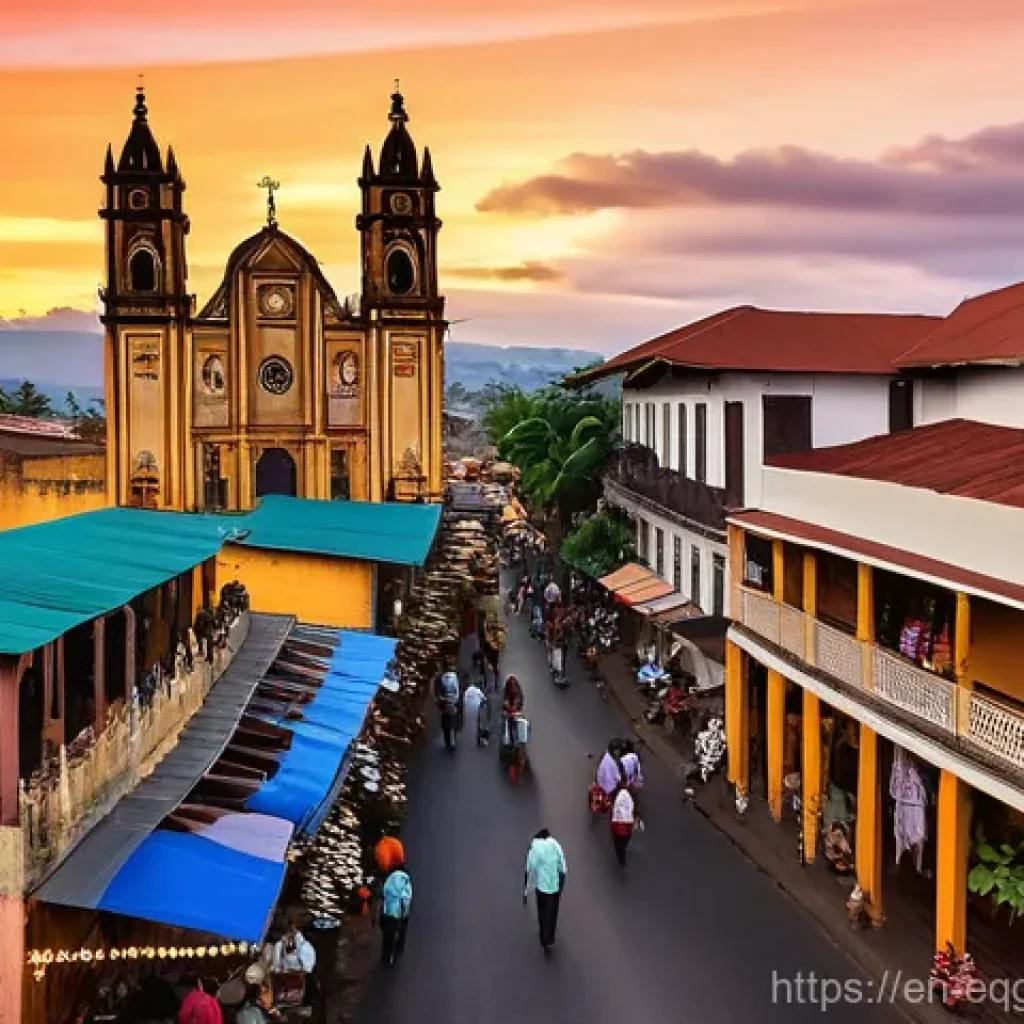
You know that exhilarating feeling when you stumble upon a truly hidden gem, a place most people haven’t even thought to explore yet? That’s precisely the vibe I get whenever Equatorial Guinea comes up in conversation.
Tucked away on the west coast of Central Africa, it’s a nation bursting with untapped potential, from its dense, vibrant rainforests to its surprisingly pristine, volcanic beaches.
Forget the usual hotspots; this country offers an authentic, rich blend of cultures and breathtaking natural beauty that’s just waiting to be discovered by intrepid travelers looking for something genuinely different.
I’ve been keeping a close eye on emerging travel destinations, and honestly, the buzz around Equatorial Guinea’s future in tourism is becoming impossible to ignore, promising an adventure unlike any other.
Let’s delve deeper into what makes this such an exciting prospect!
What’s up, fellow adventurers! You know how sometimes you hear about a place and it just *clicks*? That’s exactly how I feel about Equatorial Guinea.
It’s got that raw, untamed beauty that seasoned travelers crave, yet it’s still flying under the radar. I’ve been digging deep, and trust me, this isn’t just another pretty face on the map.
It’s a country poised to absolutely capture the hearts of those looking for something truly authentic and breathtakingly unique. From the moment you step off the plane, you can feel a different rhythm, a blend of vibrant African spirit and a surprising touch of Spanish colonial charm.
It’s a place where every corner turned reveals a new story, a new scent, a new sound, making you feel like you’ve truly stumbled upon a secret.
Unveiling Malabo: A Capital City’s Charms
The capital, Malabo, sitting pretty on Bioko Island, is often where your adventure truly begins, and what a fascinating introduction it is! This city is a dynamic blend of old-world grandeur and an undeniably modern pulse.
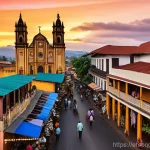
As I wandered through the streets, I was immediately struck by the unique architecture—Spanish colonial buildings standing proudly alongside contemporary structures, hinting at the country’s rich, layered history.
You’ll hear Spanish spoken widely, a testament to its colonial past, mingling with local languages, creating a captivating linguistic tapestry. Strolling around, you can’t help but admire the magnificent Santa Isabel Cathedral, a true architectural marvel with its Gothic spires, which began construction all the way back in 1887.
And then there’s the Malabo National Park, a verdant oasis right in the city, where you can lose yourself for a few hours, surrounded by lush tropical forests.
It’s not just about sightseeing, though; it’s about feeling the energy, watching daily life unfold, and really connecting with the city’s heartbeat.
Colonial Grandeur Meets Modernity
Walking through Malabo feels like stepping onto a living film set where history and progress dance together. The Presidential Palace, for instance, isn’t just a building; it’s a symbol of both the nation’s past and its aspirations.
The city’s charm isn’t merely in its grand landmarks, but also in the smaller details: the terracotta rooftops, the gentle chime of cathedral bells, and the bustling markets that hum with local life.
You truly get a sense of how deeply embedded the Spanish influence is, yet it’s undeniably interwoven with a vibrant African soul. It’s a place where every sunset over the Gulf of Guinea feels like a painting, promising new discoveries with each new day.
The combination of these elements creates an atmosphere that’s both familiar and exhilaratingly foreign, making it a perfect spot to linger and soak it all in.
A Culinary Journey Through Malabo’s Flavors
And oh, the food! Malabo’s culinary scene is an absolute delight, a delicious reflection of its diverse influences. I always make it a point to dive headfirst into local cuisine, and Malabo did not disappoint.
You’ll find everything from fresh, locally sourced ingredients to dishes with a distinct Spanish twist. The local markets, like SEMU Mercado, are vibrant hubs where the air is thick with the scent of spices, fresh produce, and sizzling street food.
This is where you truly taste the country, from fresh fish laid out by local fishermen to exotic tropical fruits like mangoes and papayas. I particularly enjoyed trying *bambucha*, a green sauce made from cassava leaves and palm oil, often served with plantains or yuca – it’s wonderfully exotic and uniquely Equatoguinean.
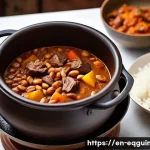
Then there’s *pepesup*, a spicy fish soup that packs a flavorful punch, or the delicious *envueltos*, little parcels wrapped in banana leaves with various fillings.
Seriously, every meal felt like a new discovery, a testament to the rich food culture here.
Beyond the Mainland: Island Adventures Await
While Malabo offers an incredible start, the true magic of Equatorial Guinea often lies beyond the capital, in its stunning islands. Bioko Island itself, where Malabo is located, is a treasure trove of natural wonders.
But did you know there are other, even more remote islands, each with its own distinct allure? These islands offer a chance to truly disconnect and immerse yourself in pristine nature, far from the hustle and bustle.
I’ve always been drawn to places that feel untouched, and these islands absolutely deliver on that promise, offering experiences that feel genuinely exclusive.
Annobón’s Untouched Beauty
Imagine an island so remote it feels like stepping back in time. Annobón, located far to the south, is precisely that kind of place. It’s an incredibly isolated volcanic island, closer to São Tomé than to mainland Equatorial Guinea.
While information about visiting Annobón is less prevalent, the allure of its untouched natural beauty and vibrant local culture is undeniable. I envision pristine volcanic beaches, crystal-clear waters, and a unique ecosystem shaped by its isolation.
It’s the kind of destination that calls to the most intrepid explorers, promising profound cultural encounters and unparalleled tranquility. Exploring Annobón would truly be an adventure in discovering the very heart of an authentic, remote island paradise.
Bioko’s Volcanic Splendor
Bioko Island itself is a marvel, a dramatic landscape where volcanic peaks meet the Atlantic shores. The island is home to the majestic Pico Basilé, the highest point in Equatorial Guinea, offering breathtaking panoramic views that, on a clear day, can even stretch to Cameroon!
I’ve found that hiking up to Moka’s volcanic caldera is an exhilarating experience, a trek through lush, misty jungle that feels incredibly rewarding.
The southern part of the island, Bioko Sur, becomes even wilder, with dense rainforests and idyllic beaches where sea turtles come to nest between November and February.
The sheer biodiversity here is astounding, with rare primate species, endemic birds, and vibrant marine life just waiting to be discovered. It’s a place where every turn in the road, or every path through the forest, unveils another layer of its magnificent, untamed beauty.
Journey into the Wild: Rainforests and Wildlife Encounters
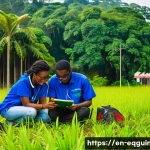
For those of us who yearn for the call of the wild, Equatorial Guinea’s mainland, Rio Muni, offers an incredible canvas of dense rainforests teeming with life.
This is where you truly connect with nature on an elemental level, where the air is thick with the sounds of the jungle and every shadow might hide an incredible creature.
I’ve always felt a special thrill in these kinds of environments, knowing that I’m stepping into a world where nature truly reigns supreme. It’s an opportunity to witness ecosystems that are still largely pristine, offering a rare glimpse into Central Africa’s incredible biodiversity.
Discovering the Monte Alen National Park
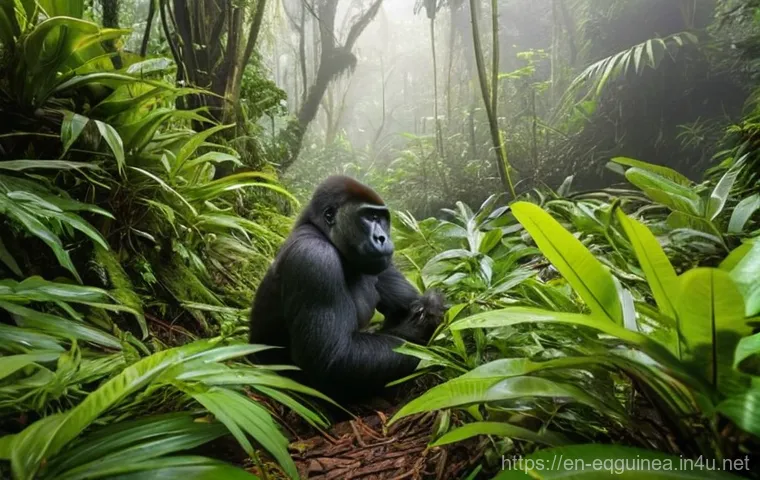
Monte Alen National Park is, without a doubt, Equatorial Guinea’s ecological crown jewel. Covering a vast area of 2,000 square kilometers, it’s a sanctuary of lush rainforests, home to an astounding array of wildlife.
Imagine tracking Western lowland gorillas and chimpanzees through dense vegetation – the kind of profound, humbling experience that stays with you forever.
I’m talking about spotting forest elephants, red river hogs, and even elusive leopards. The landscape itself is dramatic, with lakes and waterfalls dotting the interior, rising to elevations of 1200 meters.
Just remember to bring your own water and food, and definitely hire a local guide; it’s essential for both safety and for truly appreciating the park’s secrets.
Birdwatching Paradise and Primate Sanctuaries
Beyond the large mammals, Monte Alen is an absolute paradise for birdwatchers, boasting over 265 species of birds. The vibrant plumage and melodic calls of African grey parrots, hornbills, and turacos create a symphony of color and sound that’s simply mesmerizing.
And let’s not forget the primates! With 16 species of primates, including black colobus monkeys, collared mangabeys, and mandrills, the park is a vital region for primate conservation.
What truly fascinates me is the presence of the goliath frog, the largest frog in the world, living in the park’s southern reaches. This untouched wilderness truly offers a unique opportunity to study and appreciate the natural world in its most authentic state.
Diving Deep: Exploring Equatorial Guinea’s Underwater World
If your heart beats for the ocean, then Equatorial Guinea’s coastal waters are calling your name. The sheer thought of exploring underwater landscapes that are largely uncharted fills me with an incredible sense of excitement.
It’s not every day you get to dive into waters that feel so pristine and untouched, offering a truly unique perspective on marine biodiversity. I believe that these opportunities for discovery are what truly make a travel experience unforgettable, and Equatorial Guinea delivers on that promise beneath the waves.
Pristine Reefs and Marine Life
The waters surrounding Bioko Island, in particular, are biologically rich, hinting at an incredible underwater world. While detailed dive site information can be limited, the fact that these areas are still relatively unexplored makes them incredibly appealing for experienced divers seeking new frontiers.
I imagine vibrant, healthy coral reefs teeming with a dazzling array of marine life, from colorful reef fish to larger pelagic species. There’s a real chance to discover untouched underwater ecosystems, perhaps even spotting species that are rare elsewhere.
It’s the kind of diving that offers a profound sense of discovery, a true adventure beneath the surface where every dive could reveal something entirely new and breathtaking.
The relatively low number of tourists means less human impact, preserving these underwater wonders for true enthusiasts.
Wreck Diving Opportunities
Beyond the natural reefs, the idea of potential wreck diving in these unexplored waters adds another layer of intrigue. While specific wreck sites aren’t widely advertised, the historical context of maritime trade and past events in the Gulf of Guinea suggests there could be fascinating underwater relics waiting to be discovered.
The possibility of encountering historical shipwrecks, now transformed into artificial reefs, provides a unique blend of history and marine exploration.
For me, wreck diving is an incredible experience that combines the thrill of discovery with a tangible link to the past, and I can only imagine the stories these submerged vessels could tell in Equatorial Guinea’s pristine waters.
Cultural Kaleidoscope: Immersing in Local Traditions
One of the most enriching aspects of any journey is truly connecting with the local culture, and in Equatorial Guinea, that means diving into a vibrant tapestry of traditions.
It’s not just about observing; it’s about participating, feeling the rhythms, and understanding the stories that have shaped these communities for generations.
I’ve always found that these cultural immersions are what truly make a trip memorable, forging connections that last long after you’ve returned home. The warmth and hospitality of the Equatoguinean people make this an incredibly welcoming experience.
Rhythms and Rituals: Music and Dance
Music and dance are the very soul of Equatorial Guinean culture, vibrant expressions of heritage and community. You’ll find a rich array of festivals throughout the year, like the Ebebiyín Cultural Festival or the Bioko Island Moka Festival, which are explosions of traditional music, dance, and local cuisine.
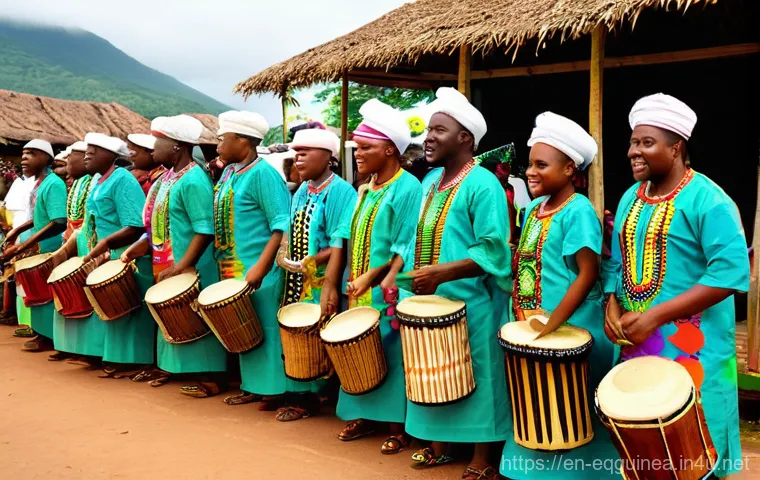
I’ve heard that during these festivals, drums echo across village squares, their rhythms joined by the bright tones of instruments like the balafon, with dancers stepping in unison, their movements recalling stories passed down through generations.
Even beyond organized festivals, music and dance are deeply ingrained in everyday life, creating an atmosphere that’s truly captivating. The Malabo International Music Festival also brings together diverse musical talents, showcasing both traditional and contemporary sounds.
Artisan Craftsmanship and Local Markets
The local markets are more than just places to shop; they are vibrant showcases of artisan craftsmanship and community life. In Malabo, places like SEMU Mercado or Caba Market are treasure troves where you can find everything from intricate Fang sculptures to beautifully handwoven textiles and unique jewelry made from natural materials.
I always try to pick up something authentic that tells a story, and here, every piece seems to carry the imprint of cultural memory. Engaging with the local vendors, many of whom are eager to share their stories and the significance of their crafts, really enriches the experience.
It’s an opportunity to support local economies and take home a piece of Equatorial Guinea’s artistic legacy.
The Taste of Equatorial Guinea: Culinary Delights
Food is always an integral part of understanding a culture, and Equatorial Guinea’s cuisine offers a delightful fusion of African roots, Spanish colonial history, and the bounty of its tropical environment.
Preparing and sharing meals is a cornerstone of community, and experiencing these flavors is like getting a delicious glimpse into daily life. Trust me, your taste buds are in for a treat here, especially if you love fresh, bold flavors and a good kick of spice!
Seafood Sensations and Local Staples
Given its coastal location, it’s no surprise that seafood is a staple, and it’s absolutely fantastic. Imagine freshly grilled fish, perhaps *Pescado asado*, seasoned with local spices, or flavorful crayfish.
The tropical climate also blesses the country with an abundance of fresh ingredients. Tubers like yuca (cassava) and yam are foundational to the diet, often served boiled or fried alongside stews.
Plantains are another essential, fried, boiled, or mashed, accompanying almost every meal. And if you’re a fan of a little heat, you’re in luck, because chilies and other spices are popular here, adding a wonderful depth to dishes like the famous *pepesup*, a spicy fish soup that I simply can’t get enough of.
A Fusion of Flavors
Equatoguinean cuisine truly shines in its fusion of flavors. You’ll find dishes influenced by Spanish traditions, like *paella*, alongside traditional African stews.
One of my personal favorites is chicken served in a creamy peanut sauce, often accompanied by rice or boiled plantains – it’s incredibly rich and satisfying.
Then there’s *succotash*, considered the national dish, a colorful mix of beans, corn, and vegetables, often with meat or fish, creating a wholesome and delicious meal.
And for something truly unique, try *salsa de cacahuete*, a peanut sauce with chicken or fish that exemplifies the blend of local ingredients and robust flavors.
Don’t forget to try the fresh tropical fruit juices, made from mangoes, pineapples, and papayas – they are incredibly refreshing in the humid climate.
Navigating Your Trip: Practical Tips for Travelers
Okay, let’s get down to the nitty-gritty of making your Equatorial Guinea adventure as smooth as possible. While it’s an incredibly rewarding destination, a little preparation goes a long way.
I always believe that understanding the practicalities beforehand frees you up to truly enjoy the experience once you’re there. This isn’t a place for spontaneous, last-minute trips for most, but with a bit of planning, it’s entirely manageable and incredibly worthwhile.
Visa Requirements and Entry Logistics
First things first, visas. For U.S. citizens, a valid e-visa is required for tourism.
This is a relatively new development, making travel much more accessible than in previous years. You’ll need to apply online, ideally at least seven days before your trip, and be prepared to submit scanned copies of your passport, a passport-style photo, proof of accommodation, travel health insurance, a yellow fever vaccination certificate, and your return flight ticket.
It’s always a good idea to apply for your visa at least 60 days before your planned trip, just to be safe. Immigration upon arrival has reportedly become much smoother, a positive sign of the country opening up.
Getting Around and Staying Safe
Navigating Equatorial Guinea, especially beyond Malabo, requires a bit of local insight. Shared taxis are the primary mode of transport within Malabo, and it’s wise to negotiate fares beforehand.
For travel around Bioko Island, roads are surprisingly well-maintained in many areas. However, for wider exploration, arranging hotel transfers or guided tours is often the most reliable option.
When it comes to currency, the Central African CFA franc is used, and while ATMs exist, they can be unreliable, so bringing Euros or US dollars for exchange at banks is highly recommended.
Credit cards are rarely accepted outside of upscale hotels. Always carry bottled water, and when trying street food, opt for busy stalls with high turnover.
As with any lesser-visited destination, exercising caution and being aware of your surroundings are key to a safe and enjoyable journey. Here’s a quick overview of some essential travel information for Equatorial Guinea:
| Category | Detail |
|---|---|
| Currency | Central African CFA franc (XAF) |
| Official Languages | Spanish, French, Portuguese |
| Best Time to Visit | Dry season (December-February and June-August) for comfortable conditions. |
| Visa for US Citizens | Required e-Visa, apply online at least 7 days in advance. |
| Recommended Vaccinations | Yellow Fever (mandatory), Cholera, Meningococcal disease, Typhoid, Hepatitis A, Hepatitis B, Tetanus-diphtheria. Anti-malarial medication also recommended. |
| Local Transport | Shared taxis in cities; arranged transfers/tours for longer distances. |
| Cultural Tip | Dress modestly, especially when visiting churches. Learn basic Spanish phrases. Avoid photographing government buildings without permission. |
Investing in the Future: Sustainable Tourism Initiatives
What truly excites me about Equatorial Guinea isn’t just its current beauty, but its clear potential for a mindful, sustainable future in tourism. As global awareness grows, destinations that prioritize conservation and community empowerment truly stand out.
It’s not just about drawing visitors; it’s about ensuring that tourism benefits the environment and the local people for generations to come. I feel incredibly optimistic seeing how this nation is approaching its burgeoning travel industry with such foresight.
Protecting Natural Heritage
The government and local communities are actively promoting ecotourism as a strategy to safeguard Equatorial Guinea’s fragile and incredibly rich environments.
Places like Monte Alen National Park and Bioko Island are at the forefront of these efforts, with guided treks led by local conservationists that introduce visitors to rare habitats while ensuring tourism is carefully managed.
On Bioko, conservation groups run seasonal programs where travelers can observe nesting sea turtles, a vital population, highlighting efforts to protect these magnificent creatures.
Eco-lodges and retreats, such as the Bioko Island Eco-Retreat, are emerging, championing eco-friendly design, responsible waste management, and even supporting local reforestation projects.
This commitment to preserving its natural wonders is not just admirable; it’s essential for a truly sustainable future.
Empowering Local Communities
Sustainable tourism in Equatorial Guinea is not just about the environment; it’s deeply intertwined with empowering local communities. Eco-lodges, small-scale guesthouses, and community-run tours directly channel income to residents, offering alternatives to more extractive industries.
Local guides, trained in both ecology and cultural heritage, provide travelers with an authentic perspective rooted in lived experience, which I find invaluable.
In villages surrounding parks and reserves, community projects link tourism to education and health initiatives, demonstrating that environmental protection and social development can indeed go hand in hand.
When you visit, you’re not just seeing the sights; you’re contributing to a positive cycle that supports traditional practices and helps build a brighter future for the people of Equatorial Guinea.
Wrapping Up Our Equatorial Guinea Journey
Whew, what an incredible journey we’ve just taken through Equatorial Guinea! I truly hope you’ve felt the vibrant pulse of Malabo, envisioned the serene beauty of its islands, and heard the call of the wild from its majestic rainforests. This isn’t just another stamp in your passport; it’s an invitation to step off the well-trodden path and discover a world teeming with untold stories, breathtaking landscapes, and a culture that will truly capture your heart. It’s a place that asks you to be an explorer, to open your senses, and to let its unique charm wash over you. If you’re yearning for an adventure that’s truly off the beaten track, a place that feels authentically undiscovered, then trust me, Equatorial Guinea should be at the very top of your wanderlist.
Insider Tips for Your Trip
Here are some quick, valuable nuggets of wisdom I’ve picked up, perfect for anyone dreaming of Equatorial Guinea:
1. Always apply for your e-Visa well in advance, ideally 60 days before your travel date, to avoid any last-minute stress. The process is smoother now, but preparation is still key, and remember your Yellow Fever vaccination certificate is mandatory upon entry.
2. Pack smart! While Malabo has some modern conveniences, venture outside the capital and you’ll appreciate sturdy walking shoes, insect repellent, and lightweight, breathable clothing for the tropical climate. Also, a universal adapter is a lifesaver for all your gadgets.
3. Currency management is crucial. The Central African CFA franc is the local currency, but ATMs can be sparse and unreliable. I strongly recommend carrying a good amount of Euros or US Dollars in smaller denominations to exchange at banks, and don’t rely on credit cards outside major hotels.
4. Embrace local transport for short distances – shared taxis are the way to go in cities, but always agree on the fare upfront. For longer island explorations or mainland adventures, pre-arranged hotel transfers or trusted local guides will save you a lot of hassle and enhance your safety and experience.
5. Dive into the culture and cuisine! Learning a few basic Spanish phrases goes a long way and will enrich your interactions. Be open to trying local delicacies like *pepesup* or *bambucha*, and remember that interacting with local artisans in markets is not just shopping, it’s a truly enriching cultural exchange that supports the community.
Your Equatorial Guinea Checklist
So, what are the big takeaways from our deep dive into Equatorial Guinea? First, this isn’t a destination for the faint of heart or the last-minute planner; it demands thoughtful preparation, especially concerning visas and local logistics. However, the rewards for that effort are immense: you’ll discover a truly unique blend of Spanish colonial history and vibrant African culture, from Malabo’s captivating streets to the remote, pristine beauty of its islands. Don’t underestimate the sheer biodiversity waiting in Monte Alen National Park, where the chance to see gorillas or forest elephants in their natural habitat is a memory you’ll cherish forever. When it comes to your budget, prioritize cash and be mindful of your surroundings for a safe and respectful journey. Most importantly, remember that Equatorial Guinea is on the cusp of a sustainable tourism boom, offering a chance to experience its wonders while contributing positively to local communities and conservation efforts. It’s a journey into the soul of Africa, raw, real, and utterly unforgettable, providing stories that few others can tell, experiences that truly shape your perspective, and an adventure that will stay with you long after you’ve returned home, leaving an indelible mark on your traveler’s spirit.
Frequently Asked Questions (FAQ) 📖
Q: I’m intrigued, but Equatorial Guinea sounds a bit… off the beaten path. Is it really safe for travelers, especially those of us looking for unique experiences?
A: That’s a completely fair question, and honestly, it’s the first thing I consider when eyeing a new, less-traveled spot. From my own observations and what I’ve heard from other seasoned explorers, Equatorial Guinea, like any destination, requires a good dose of common sense and respectful awareness.
The people are generally welcoming, and I personally found their hospitality incredibly heartwarming. However, it’s wise to stay updated on local news, and I always, always recommend engaging with reputable local guides.
They not only enrich your experience with incredible insights but also provide an added layer of safety, helping you navigate cultural nuances and any less savory areas to avoid.
Stick to well-trafficked tourist spots and your guided excursions, and you’ll likely have an incredible, trouble-free adventure. It’s about being prepared and present, not fearful!
Q: Okay, you’ve piqued my interest! So, once I’m there, what are the absolute must-see or must-do experiences in Equatorial Guinea? What truly makes it stand out?
A: Oh, where do I even begin? If you’re anything like me, you’re craving those experiences that no one else back home has had, and Equatorial Guinea absolutely delivers!
For nature lovers, Monte Alen National Park is an absolute non-negotiable. I was utterly captivated by its dense, emerald rainforests, teeming with an astonishing array of wildlife – think gorillas, chimpanzees, and a symphony of exotic birds.
It’s an immersive, almost spiritual experience. Then, there’s Bioko Island, where the capital Malabo is located. Its volcanic landscapes give way to incredibly picturesque, often deserted beaches that feel straight out of a postcard.
I particularly loved exploring the charming, colonial-era architecture in Malabo itself; it tells such a vivid story. And for something truly unique, don’t miss the chance to witness the traditional fishing villages or experience a local market – the vibrant colors, the smells, the bustling energy, it’s all part of the authentic charm that truly blew me away.
It’s not about ticking off landmarks, but truly soaking in the unique culture and breathtaking natural beauty.
Q: This sounds incredible! Before I start planning, what are the key practical considerations I should know? Like visas, currency, or perhaps the best time to visit?
A: Alright, let’s get down to the nitty-gritty so you can start envisioning your trip! First things first: visas are definitely a requirement for most foreign visitors, and I can’t stress this enough – start that process early.
Check the official embassy website in your home country well in advance, as it can sometimes be a bit of a process. For currency, you’ll be dealing with the Central African CFA franc (XAF).
While major hotels in Malabo might accept credit cards, cash is king, especially once you venture outside the capital or into local markets. I always recommend having a good stash of local currency on hand.
As for the best time to visit, Equatorial Guinea experiences a tropical climate. The dry season, typically from November to May, is generally considered the most pleasant time, offering more sunshine and less humidity, which is perfect for exploring the national parks and enjoying the beaches.
That said, even during the rainy season, you’ll find plenty of clear days and the rainforests are particularly lush and vibrant. Just pack accordingly for both!