Hey everyone! It’s your favorite travel and food explorer here, ready to whisk you away on another incredible culinary adventure. Lately, I’ve noticed a huge buzz around diving deep into local cultures through their food, especially in places that aren’t on every tourist map.
It’s truly where you find the heart and soul of a destination, wouldn’t you agree? I’ve personally found that stepping out of the comfort zone of familiar restaurants and truly embracing street food offers insights you just can’t get anywhere else.
There’s something undeniably authentic about watching a dish prepared right in front of you, smelling those incredible aromas, and then tasting something utterly unique.
This trend of seeking out genuine, immersive food experiences is growing, and honestly, it’s my absolute favorite way to discover a new place. It’s about more than just eating; it’s about connection, stories, and unforgettable memories that stay with you long after the trip is over.
Today, we’re setting our sights on a truly fascinating corner of the world that perfectly embodies this spirit of culinary discovery. And trust me, when I say ‘fascinating corner,’ I’m thinking about Equatorial Guinea.
This vibrant nation in Central Africa often flies under the radar for many travelers, but its street food scene is an absolute hidden gem that completely captivated me.
From sizzling skewers to incredibly flavorful stews and snacks I’d never imagined, the culinary landscape here is a delightful blend of African, Spanish, and even a touch of French influences, creating a truly unique palate experience.
Walking through the bustling markets, the aromas alone are enough to pull you in, promising a feast for the senses that tells a story of culture and tradition with every bite.
If you’re anything like me, always on the hunt for those authentic local tastes, then you’re in for a treat with what this place has to offer. So, let’s dig right in and uncover the delicious secrets of Equatorial Guinea’s street food scene!
Unveiling the Culinary Tapestry: Malabo’s Bustling Markets
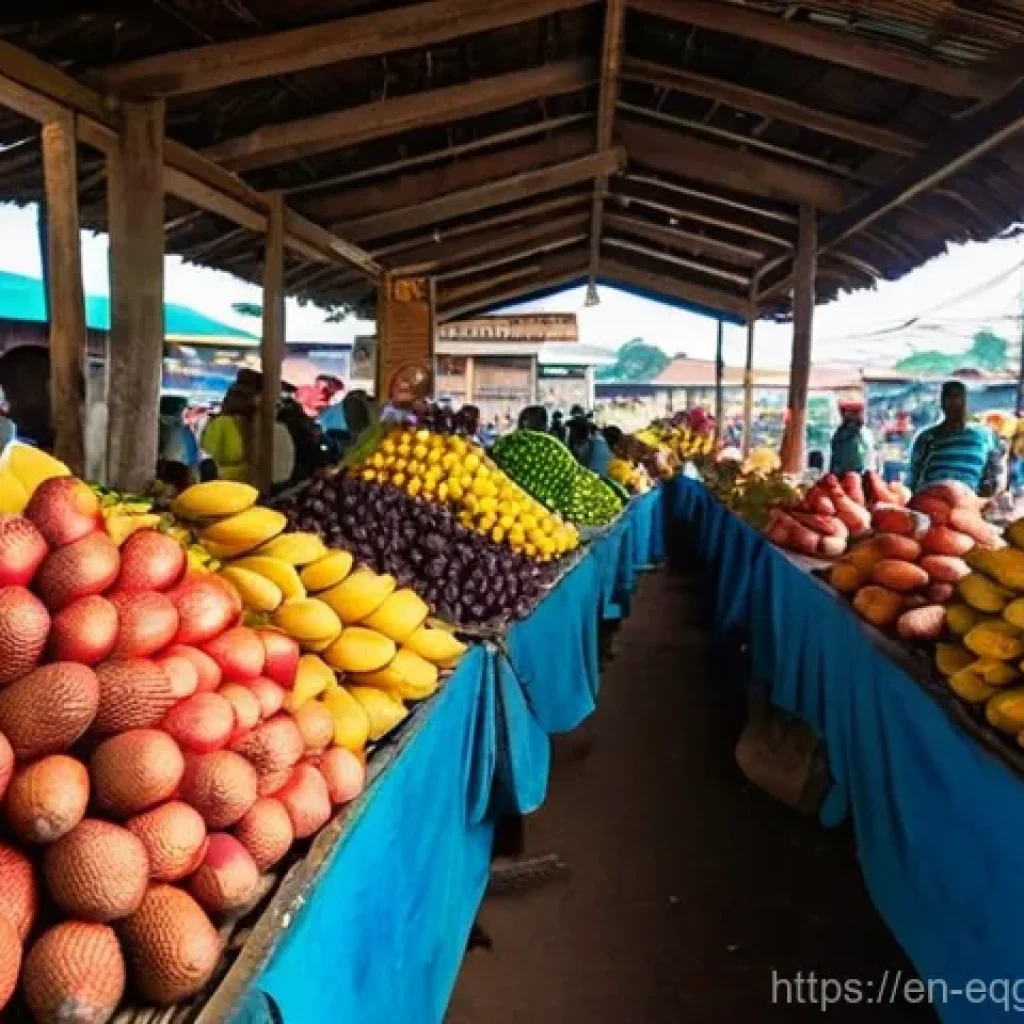
Walking into the vibrant markets of Malabo, like the famous SEMU Mercado, felt like stepping into a living, breathing canvas of Equatorial Guinean life.
The sheer energy is infectious, with the air thick with the murmur of conversations, the rhythmic chopping from food stalls, and the irresistible aroma of spices mingling with freshly grilled fish.
I remember my first time there; the colors of ripe mangoes, pineapples, and plantains piled high at every stall immediately caught my eye, a true feast for the senses before I even took a bite.
It’s not just a place to buy food; it’s a social hub where stories are exchanged, and the pulse of the community beats strongest. Every vendor seemed to have a smile and a story to share, making each interaction a mini-cultural lesson.
I personally found that arriving early in the morning gave me the best chance to see the freshest produce and avoid the biggest crowds, though the afternoon buzz has its own charm.
The fresh seafood, straight from the Atlantic, is particularly impressive, with glistening fish laid out, waiting to be chosen for a charcoal grill. It’s this raw, unfiltered authenticity that truly makes exploring these markets an unforgettable experience.
Navigating the Flavorscape of SEMU Mercado
For anyone eager to dive headfirst into Equatorial Guinea’s street food scene, SEMU Mercado is an absolute must-visit. What struck me most was the incredible array of local ingredients – everything from various tubers like yuca and malanga to an astonishing selection of tropical fruits I barely recognized.
The vendors are so knowledgeable, often offering little samples or explaining how a particular ingredient is used in traditional dishes. I recall one lovely lady patiently showing me the difference between several types of plantains and how each is best prepared.
It’s these small, genuine moments of connection that elevate a simple market visit into a profound cultural immersion. Just remember to carry plenty of Central African CFA francs (XAF), as most of these delightful independent vendors operate on a cash-only basis, and don’t be afraid to try a little friendly bargaining; it’s all part of the local charm!
Bata’s Market Magic: A Coastal Culinary Journey
While Malabo offered an incredible introduction, exploring the Monte Bata Market on the mainland was another delightful adventure that presented its own unique character.
Being a coastal city, Bata’s market boasts an even more abundant selection of fresh seafood, and you can really feel the ocean’s influence here. I spent a good hour just watching the fishermen bring in their catch, knowing that soon, those very fish would be sizzling on a grill nearby.
The energy here is equally vibrant, but with a slightly different rhythm, perhaps a touch more relaxed. Besides the fresh produce and seafood, I discovered fascinating local crafts and textiles, which make for wonderful souvenirs.
Sampling some of the ready-to-eat snacks, like crunchy plantain chips or small, savory fritters, while wandering through the stalls, was truly a highlight.
It’s a fantastic place to connect with locals and soak up the everyday life of this bustling port city.
Sizzling Skewers and Ocean’s Bounty: Grilled Delights on Every Corner
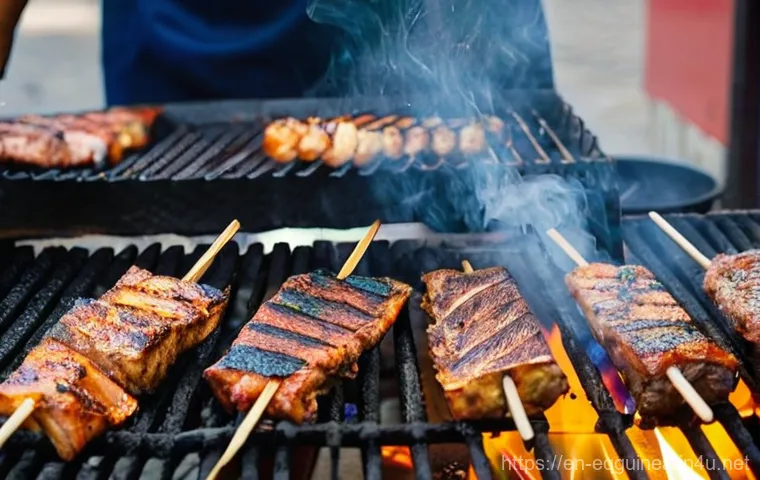
Ah, the aroma of grilled meats and fish wafting through the streets – that’s often my first memory of a truly great street food scene, and Equatorial Guinea absolutely delivered on this front!
Everywhere I went, from the busiest thoroughfares of Malabo to the quieter corners of Bata, I encountered street vendors expertly tending to open flames, coaxing incredible flavors from fresh ingredients.
There’s something so primal and appealing about food cooked over charcoal, and here, it’s elevated to an art form. I was genuinely surprised by the variety; it wasn’t just beef or chicken, but often delicious goat, and of course, an incredible array of fresh fish.
Each bite felt like a direct link to the local culture, a testament to simple ingredients prepared with time-honored techniques. The smoky char, the tender interior, and the often-spicy marinades left a lasting impression on my palate.
The Irresistible Allure of Suya and Grilled Fish
If you ask me what I couldn’t get enough of, *Suya* would definitely be high on that list. This West African grilled skewered meat, typically beef, chicken, or goat, is seasoned with an aromatic spice blend often featuring ground peanuts, and it’s absolutely phenomenal.
I remember trying a chicken suya skewer that was so tender and flavorful, served simply with sliced onions and tomatoes, that I immediately went back for another.
It’s the perfect portable snack, packed with a fiery kick that I just adore. Then there’s the *Pescado Asado*, or grilled fish, which felt like a daily ritual for me.
Given Equatorial Guinea’s coastal location, the fish is incredibly fresh, often caught that very morning. I watched as vendors meticulously seasoned whole snapper or tilapia with garlic, ginger, and local herbs before grilling them to perfection over open flames.
Served with a squeeze of lime and a spicy *picante* sauce, it was a revelation – simple, fresh, and utterly delicious. The flaky, smoky fish truly embodies the country’s connection to the ocean.
Beyond the Skewers: Unsung Grilled Heroes
Beyond the more famous suya and grilled fish, I discovered a few other grilled gems that really shouldn’t be overlooked. Imagine savoring perfectly grilled plantains, their natural sweetness caramelizing over the heat, making for an ideal accompaniment to any savory dish.
I also stumbled upon what I believe were grilled yams, their earthy flavor and slightly smoky exterior providing a wonderfully comforting bite. These seemingly simple grilled items truly highlight the versatility of local produce and how a little heat can transform them into something spectacular.
It’s the kind of honest, wholesome food that truly grounds you in a place. Trust me, dedicating a good portion of your culinary exploration to these grilled treasures will be incredibly rewarding.
The Heart of the Plate: Robust Stews and Flavorful Soups
Stepping away from the sizzle of the grill, the comforting embrace of Equatorial Guinea’s stews and soups offers another profound layer of its culinary identity.
These dishes, often simmered for hours, are where the true soul of the cuisine shines through, revealing a rich tapestry of flavors influenced by African, Spanish, and even some unexpected French notes.
I quickly learned that locals often center their meals around these hearty, aromatic concoctions, and for good reason! Each spoonful tells a story of tradition, of communal cooking, and of cleverly combined local ingredients.
I vividly recall the first time I tasted *Pepe Soup*; the warmth of the broth, the perfect kick of the peppers, and the tender chunks of fish made me feel instantly at home, despite being thousands of miles away.
It’s a culinary hug, if you will, and one I highly recommend seeking out. These stews and soups are more than just food; they are an invitation to understand the cultural narratives woven into every ingredient.
Savoring the Iconic Pepe Soup and Groundnut Stew
Without a doubt, *Pepe Soup* (or peppersoup) is a national treasure and a must-try for any visitor with an adventurous palate. This fiery, flavorful soup typically features fish or meat, robustly seasoned with a generous blend of local peppers, tomatoes, onions, and aromatic herbs.
Each bowl I tried had its own unique personality, a testament to the individual cook’s touch, but the core essence of a deeply warming, spicy, and utterly satisfying experience remained constant.
It’s often enjoyed as a hearty main course, especially in the evenings, and truly warms you from the inside out. Then there’s the incredible *Groundnut Stew*, also known as peanut stew.
I’m a huge fan of peanut-based sauces, and this one didn’t disappoint. It’s a rich, creamy, and deeply savory stew made from ground peanuts or peanut butter, slow-cooked with ingredients like tomatoes, onions, and often chicken, goat, or beef.
The slight sweetness from the peanuts perfectly balances the savory notes, creating a comforting and incredibly addictive dish that’s usually served with rice or fufu.
Unearthing Unique Flavors: Bambucha and Okra Soup
Beyond the heavy-hitters, I was delighted to discover other intriguing stews like *Bambucha*, a stew made from tender cassava leaves, often cooked with palm kernel juice and spices.
Its earthy flavor and unique texture were unlike anything I’d tried before, offering a real taste of the local agricultural bounty. It’s usually enjoyed with boiled or fried plantains or yuca.
Another delightful find was *Okra Soup*, a hearty and slightly viscous soup known for its thickening properties. Made with okra, tomatoes, and various meats or fish, it’s a staple across West Africa, and Equatorial Guinea’s version is particularly rich and flavorful.
I remember having a bowl on a particularly humid day, and despite its heartiness, it felt perfectly balanced and incredibly satisfying. These dishes truly demonstrate the ingenuity of local cooking, transforming simple ingredients into complex and deeply rewarding meals.
Beyond the Main Course: Essential Sides and Sweet Surprises
While the grilled delights and hearty stews often take center stage, the unsung heroes of Equatorial Guinean cuisine are undoubtedly its staple accompaniments and delightful sweet treats.
Honestly, I’ve found that a meal is never truly complete without the perfect side, and here, they’re not just an afterthought; they’re integral to the experience.
From the starchy foundations that soak up rich sauces to the refreshing tropical fruits that cleanse the palate, these elements complete the culinary picture.
I personally love how seamlessly these sides integrate with the main dishes, offering contrasting textures and flavors that make every bite more interesting.
It’s in these smaller details that you truly appreciate the balance and thoughtful construction of a traditional meal.
Starchy Staples: Fufu, Yuca, and Plantains
If there’s one thing you’ll find accompanying almost every meal, it’s a starchy staple like *fufu*, boiled or fried *yuca* (cassava), or plantains. *Fufu*, a dough-like consistency made from pounded yam or cassava, is a fascinating and fundamental part of the dining experience.
It’s meant to be eaten with your hands, molded into a small ball, and then used to scoop up the flavorful stews and soups. I remember trying it for the first time and being captivated by its unique texture and how perfectly it absorbed the rich sauces.
Boiled or fried yuca is another common sight, offering an earthy, slightly chewy, or crispy counterpoint to savory dishes. And plantains, whether boiled, fried to a golden crisp, or even baked, provide a wonderfully versatile sweetness that complements almost anything.
These starchy sides aren’t just fillers; they are the foundation upon which the vibrant flavors of Equatorial Guinea are built.
Sweet Endings: Akwadu and Tropical Fruits
For those with a sweet tooth like mine, Equatorial Guinea offers some lovely, albeit simpler, desserts. *Akwadu*, a dish featuring baked bananas with coconut, truly stands out.
I was pleasantly surprised by how a simple baked banana, often enhanced with a touch of honey or cinnamon, could be so incredibly satisfying. It’s a wholesome, natural sweetness that feels perfectly in tune with the tropical environment.
Beyond specific dishes, the abundance of fresh tropical fruits is a dessert in itself. I indulged in countless sweet, juicy mangoes, ripe pineapples, and creamy avocados that are a world apart from anything you find back home.
Sometimes, after a spicy meal, there’s nothing better than biting into a perfectly ripe piece of fruit to refresh your palate. It’s a simple pleasure, but one that truly defines the natural bounty of this incredible country.
Embracing Local Flavors: Tips for an Unforgettable Street Food Adventure
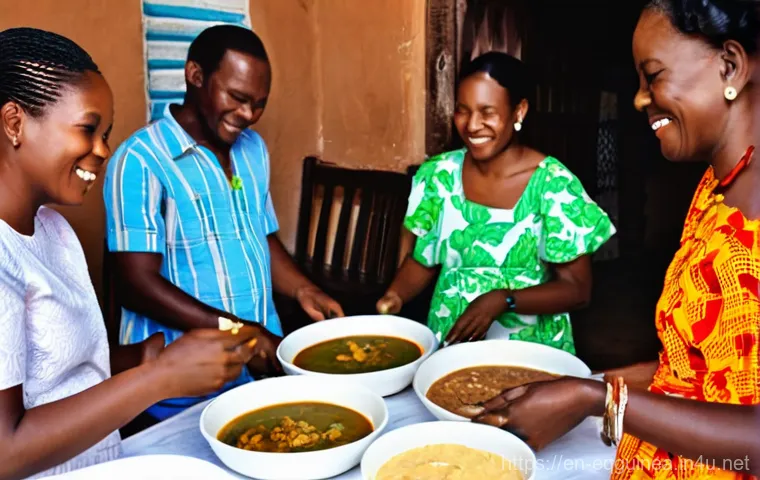
Embarking on a street food journey in Equatorial Guinea is an adventure for all the senses, and like any great exploration, a few practical tips can make all the difference.
Having navigated my fair share of bustling markets and roadside stalls, I’ve picked up some invaluable insights that I’m eager to share. It’s not just about what you eat, but how you engage with the experience that truly makes it memorable.
I’ve found that being open-minded and respectful of local customs goes a long way, not just in terms of getting the best food, but also in forming genuine connections with the people who prepare it.
Trust me, these small considerations will enhance your enjoyment tenfold and ensure you’re getting the most authentic taste of this incredible nation.
| Aspect | Influencer’s Tip | Why It Matters |
|---|---|---|
| Currency | Always carry Central African CFA francs (XAF) in small denominations. | Many street vendors don’t accept cards, and small change is appreciated. |
| Timing | Visit markets early mornings for the freshest produce and best selection. | You’ll see the market come alive and get the first pick of ingredients. |
| Hygiene | Look for stalls with high customer turnover and freshly cooked food. | High turnover often means fresh ingredients and good cooking practices. |
| Communication | A few basic phrases in Spanish or Fang can open doors to friendly interactions. | Locals appreciate the effort, and it can lead to unique recommendations. |
| Adventurousness | Be open to trying new flavors and textures, even if they seem unfamiliar. | This is where you’ll discover truly unique and unforgettable dishes. |
Decoding the Local Etiquette for Foodies
When you’re out exploring the street food scene, a little bit of local etiquette can go a long way. I always make an effort to observe how locals interact at food stalls – it’s fascinating!
For instance, a simple “Buenos días” or “Buenas tardes” (good morning/afternoon in Spanish, one of the official languages) can often kick off a warmer interaction.
I noticed that bargaining, while not always expected for every small food item, is a common practice at the larger markets, so don’t be shy about trying to negotiate a little, always with a friendly smile, of course.
It’s more about the playful exchange than aggressive haggling. Also, if you’re eating something that’s traditionally shared or eaten with hands, don’t be afraid to try it the local way!
I’ve found that embracing these small cultural nuances deepens the entire experience and makes you feel more connected to the place and its people.
Staying Savvy: Practical Pointers for Street Eats
My personal mantra for street food anywhere in the world is: “look for the crowd!” Stalls that are bustling with locals are usually a pretty reliable indicator of both deliciousness and freshness.
I’m also a firm believer in checking how food is handled and cooked. Does the vendor seem hygienic? Is the food cooked fresh to order, or has it been sitting out for a while?
These are simple observations that can save you a lot of worry later. And if you’re trying a spicy dish, always start small! Equatorial Guinean cuisine isn’t shy with its heat, and while I adore a good kick, it’s wise to gauge your tolerance.
Finally, remember to hydrate! The tropical climate can be intense, so keep a bottle of water handy, or better yet, try some of the local fresh fruit juices for a refreshing treat.
Staying safe and healthy means you can continue your delicious adventure without a hitch!
A Symphony of Sips: Traditional Beverages to Quench Your Thirst
No culinary journey is truly complete without exploring the local beverages, and Equatorial Guinea offers a delightful array of drinks that perfectly complement its flavorful cuisine.
From refreshing non-alcoholic options that provide a sweet escape from the tropical heat to potent traditional brews that tell tales of ancient customs, there’s something to tantalize every palate.
I’ve always found that local drinks offer a unique window into a culture, often using indigenous fruits and plants in ways you wouldn’t expect. My own experience was a revelation, discovering new favorites that perfectly paired with the street food I was devouring.
It’s more than just quenching your thirst; it’s about tasting the land and its traditions.
Refreshing Nectars: Palm Wine and Malamba
When I needed a refreshing break from the spicy street food, I often turned to the local, naturally fermented drinks. One of the most iconic is *topé*, or palm wine.
This alcoholic beverage, made from the sap of various palm trees, has a distinctive, slightly sweet, and tangy flavor that I found incredibly invigorating.
It’s often enjoyed socially, and there’s a real communal feel to sharing a gourd of palm wine with new friends. Then there’s *malamba*, a traditional drink often described as a local sugar cane brew or even a tamarind-based juice.
I tried a version that was tart and incredibly cooling, a perfect antidote to the midday sun. These beverages are deeply rooted in the country’s agricultural heritage and offer a genuine taste of local life.
Beyond the Brews: African Tea and Tropical Juices
For those who prefer non-alcoholic options, the choices are equally enticing. *Osang*, often referred to as African tea, is a popular local drink. While I didn’t get to try a homemade version, I heard it’s usually a milky, spiced tea, sometimes infused with ginger, cardamom, and other fragrant spices, offering a comforting warmth even in the tropics.
And of course, the sheer abundance of fresh tropical fruits means an endless supply of incredible juices. Imagine sipping on freshly squeezed mango, pineapple, or passion fruit juice, bursting with natural sweetness and vibrancy.
I found these juices incredibly revitalizing, especially after a long day of exploring bustling markets and historic sites. They’re not just drinks; they’re liquid sunshine, embodying the lushness of Equatorial Guinea’s natural landscape.
The Culinary Soul: How History and Culture Shape Every Bite
As a self-proclaimed food explorer, one of the most fascinating aspects of any destination is understanding how its history and diverse cultural influences converge on the plate.
In Equatorial Guinea, this is particularly evident. The cuisine isn’t just about ingredients; it’s a living narrative, a delicious testament to centuries of interaction between indigenous traditions, Spanish colonial rule, and the culinary echoes from neighboring African nations like Nigeria and Cameroon.
Every meal I enjoyed felt like a bite into history, a flavorful lesson in how different worlds can beautifully blend to create something truly unique.
It’s a richness that goes far beyond the taste buds, resonating with a deeper appreciation for the country’s heritage.
A Fusion of Flavors: Spanish, African, and French Influences
The dominant Spanish influence is undeniable, evident in dishes like *paella* which, while adapted, still carries that Iberian essence. Yet, it’s seamlessly interwoven with the strong African roots.
You see this in the liberal use of palm oil, yams, cassava, and plantains, which are staples across much of Central and West Africa. I remember trying a dish, *Poulet DG*, which originated in Cameroon but is incredibly popular here – chicken, plantains, and vegetables in a spicy sauce, a true celebration of regional African flavors.
Even subtle hints of French cuisine can be found, perhaps a legacy of broader Central African interactions. This culinary layering creates a gastronomic landscape that is both familiar and excitingly new, a true reflection of the country’s complex identity.
It’s this delightful melting pot that keeps you guessing and yearning for more with every meal.
From Farm to Feast: Local Ingredients and Community Traditions
What really underpins Equatorial Guinea’s cuisine is its reliance on incredibly fresh, locally sourced ingredients. I was struck by how many dishes utilize what’s readily available from the fertile land and abundant sea.
Cassava, plantains, peanuts, and chilies are not just ingredients; they are the bedrock of traditional cooking here. Many families still practice household farming and fishing, meaning the food you eat often comes directly from someone’s backyard garden or the day’s catch.
This connection to the land and sea fosters a strong sense of community around food. Meals aren’t just for sustenance; they are social events, bringing generations together.
The act of sharing *fufu* with a communal stew, for example, is less about the food itself and more about the texture, the ritual, and the stories shared around the table.
It’s a beautiful reminder that food is, at its heart, about connection and tradition.
글을 마치며
As our culinary journey through the vibrant markets and flavorful kitchens of Equatorial Guinea comes to a close, I hope you’ve felt the same excitement and joy I did exploring its rich food landscape. From the bustling energy of the markets to the comforting embrace of its hearty stews, every dish tells a story of culture, history, and incredible hospitality. It’s truly a destination where every bite is an adventure, leaving you with lasting memories and a yearning to return for more of its unique and soulful flavors. This experience goes beyond just eating; it’s about connecting with a beautiful culture through its most delicious expressions.
알아두면 쓸모 있는 정보
1. Cash is King: When venturing into the vibrant local markets and street food stalls, remember that Central African CFA francs (XAF) are your best friend. Most independent vendors operate on a cash-only basis, and having smaller denominations makes transactions smoother for both you and the vendor. I’ve often seen tourists struggle with large bills, so come prepared to truly immerse yourself without financial hiccups. This simple tip will save you time and potential embarrassment, making your market explorations much more relaxed and enjoyable.
2. Language Barrier? Not Really! While Spanish is an official language, and many locals speak it, learning a few basic phrases in Fang or other indigenous languages can genuinely enhance your interactions. Even a simple “Hola” or “Gracias” with a smile can open doors to warmer conversations and perhaps even special recommendations from vendors. It’s a small effort that yields big rewards in connecting with the heart of the community, showing respect and a genuine interest in their culture, which is always appreciated.
3. Safety First, Savory Second: My golden rule for street food anywhere is to look for bustling stalls with high customer turnover. This usually means the ingredients are fresh, and the food is cooked to order, reducing any hygiene concerns. Observe how the food is handled and stored; if it looks clean and busy, you’re likely in for a delicious and safe treat. Trust your gut (literally!) and prioritize places where locals are actively eating, as their patronage is often the best indicator of quality and safety.
4. Bargain with a Smile: At larger markets, a bit of friendly negotiation is part of the cultural tapestry. Don’t be shy to politely ask for a slightly better price, especially if you’re buying multiple items or souvenirs. It’s rarely about aggressive haggling but more about a playful, respectful exchange. It’s an engaging way to interact with vendors and often leads to a more memorable experience than simply pointing and paying, sometimes even ending with a shared laugh or a bonus treat!
5. Embrace the Adventure: The true magic of Equatorial Guinean street food lies in its diversity and unique flavors. Don’t shy away from trying dishes that might seem unfamiliar. Whether it’s a new type of stew, an unusual tropical fruit, or a local beverage, stepping out of your comfort zone will undoubtedly lead to the most memorable culinary discoveries. Some of my favorite finds were things I’d never heard of before arriving, proving that an open mind is the best ingredient for any food explorer.
중요 사항 정리
Equatorial Guinea’s food scene is a vibrant and truly unique fusion, beautifully blending indigenous African traditions with the lasting legacy of Spanish colonial influences. This creates a gastronomic landscape that is both familiar in some aspects and excitingly new in others, a testament to centuries of cultural exchange. The cuisine heavily relies on incredibly fresh, locally sourced ingredients—from the abundant seafood straight from the Atlantic to the rich bounty of cassava, plantains, and various tubers from fertile inland farms. Meals here are more than just sustenance; they are deeply communal experiences, serving as social events that bring families and friends together to share stories and strengthen bonds. Whether you’re savoring smoky grilled fish or diving into a hearty groundnut stew, you’re not just eating; you’re participating in a living, breathing cultural narrative, making every bite an unforgettable journey into the heart of this remarkable nation.
Frequently Asked Questions (FAQ) 📖
Q: Is it truly safe to dive into the street food scene in Equatorial Guinea, and what personal tips do you have for someone trying it for the first time?
A: Oh, this is such a valid question, and honestly, it was one of my first thoughts too when I started my culinary exploration here! Stepping into any new street food landscape can feel a little daunting, right?
But from my own experience, I found the street food in Equatorial Guinea to be incredibly fresh and prepared with a lot of care. The key, as with street food anywhere in the world, is to observe.
My rule of thumb is always to look for the stalls with a steady stream of locals; that’s usually a good sign of deliciousness and freshness! I also tend to gravitate towards food that’s cooked to order, right in front of me, like sizzling skewers or fresh fish being grilled.
It just gives me that extra peace of mind. And let me tell you, bringing a small bottle of hand sanitizer has been my trusty sidekick on countless adventures – a quick clean before you dig in makes all the difference!
Don’t let a little hesitation stop you from experiencing these incredible flavors; just be smart and trust your gut (pun intended!).
Q: What are some absolute must-try street food dishes in Equatorial Guinea that really capture its unique blend of cultures, and what kind of flavors can I expect?
A: Alright, get ready because your taste buds are in for a serious treat! If you’re looking to truly taste the heart of Equatorial Guinea, you absolutely have to seek out grilled fish, often called “Pescado a la Brasa.” The fish, usually fresh from the Atlantic, is seasoned with a vibrant mix of local spices and often served with fried plantains (known as “alloco” or just plantains), and sometimes a spicy tomato sauce.
The smoky char from the grill, combined with the delicate flakiness of the fish, is just pure magic. Then there’s “Brochetas,” which are essentially skewers, often with succulent chunks of beef or chicken, marinated in a flavorful blend that whispers of both African spices and a touch of Spanish influence.
And for something truly unique, keep an eye out for dishes that incorporate “fufu” or “bobolo,” which are fermented cassava breads – they’re a staple and perfect for soaking up rich stews.
The flavors are a delightful dance between earthy, smoky, subtly spicy, and sometimes a hint of citrus. It’s a culinary journey that tells a story with every bite!
Q: When I’m out enjoying street food, what’s the best way to interact with vendors, handle payments, or generally navigate the bustling market scene like a local?
A: Navigating the vibrant markets of Equatorial Guinea is an adventure in itself, and engaging with the vendors is half the fun! I’ve found that a friendly smile and a simple “Hola” (Spanish is widely spoken alongside local languages) can really open doors.
Most vendors are incredibly warm and happy to share their food with you, even if there’s a language barrier. When it comes to payment, the local currency is the Central African CFA franc (XAF).
It’s always a good idea to have smaller denominations on hand, as vendors might not always have change for large bills, especially for smaller purchases.
While bargaining isn’t a huge part of the street food scene for prepared items like it might be in some other countries, being polite and clear about what you want is always appreciated.
Sometimes, if you’re trying a few different things, they might even give you a small discount or a little extra, just because you’re friendly! My best advice is to embrace the energy, be respectful, and just let your curiosity lead the way.
It’s an incredibly rewarding experience to connect with the people behind these amazing dishes!